# Electrical and IT Connectivity
**What does it take for Netflix to stream its videos 24/7 nonstop at instant speed?**
Through both electrical and IT Connectivity Infrastructure, we see that data centers are designed to be a resilient structure. These systems are designed to prevent failures, but simultaneously to be resilient to all forms of potential harm. The zeros and ones have become so integral to the internet and the economy it provides that any threat of losing them can even seem like a national threat.
The promise of fast speed and reliability is established on redundancy and overassurance. These qualities are the insurance to a billion-dollar industry where the processes are intended to be invisible.
Meanwhile, the redundancy in data leads to a waste of resources and materials to construct the physical infrastructure for data storage and processing, as well as all the industrial products that empower the transmission and consumption of data.
As the data centers might be run by private corporations while the power infrastructure is supplied by a complex that involves private contractors and government investments, the composition of multi-ownership creates a challenge in identifying the power relationship between the civilian-owned data centers and the state.
To the mass users or even to the industry itself, the transmission of data remains an obscured process in the "cloud", raising issues of privacy, information failure, security, etc. The data center thus became the temporary locus of information that is transient when transmitting.
# Electrical System History
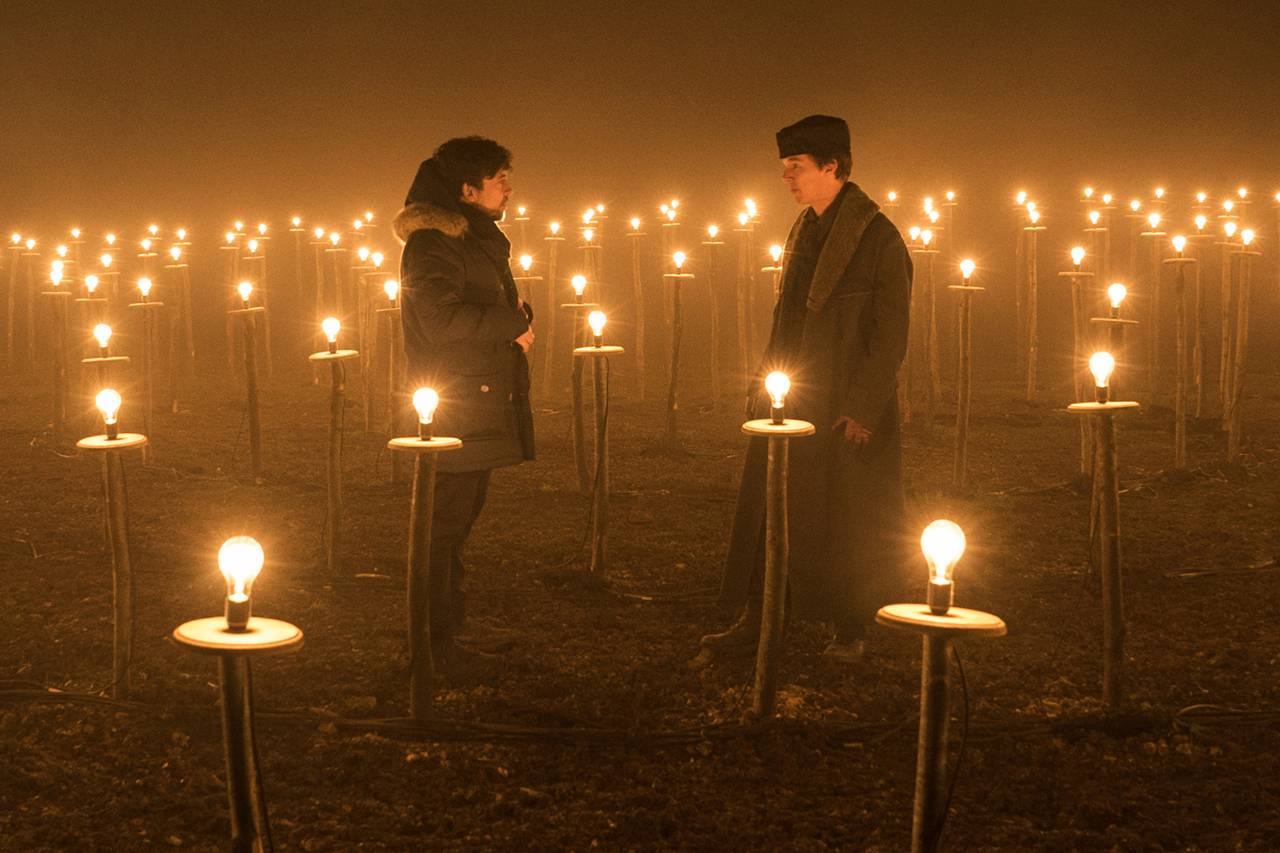
*The Current War*
*2017*
*Director: [Alfonso Gomez-Rejon](https://www.google.com/search?sca_esv=2ad822d8a9922be6&sxsrf=AE3TifMHrEPXU46WRhoNNmO4bzGQlnzfbQ:1757907199010&q=Alfonso+Gomez-Rejon&si=AMgyJEtRPX4ld4pdQeltMBlsXK6YnLg9be4xryEBJwXFHLOO-ONyjhQjOVNzZblLnS8WqMITNccKeax10SG3lpFMR8faQjxDFfSHXvuZ0l1nApveszcUY-8BznDoNHTTRd2PKyasaiOTkwomsNnffYLaL-8iEnsccpoBqKEAz9ZltoFr2jIpRR-lg1JBgEeDjxlwDrJS2VA8Aa7B5pRmbN_C6cGoRG3h9Q%3D%3D&sa=X&sqi=2&ved=2ahUKEwjErJTR6tmPAxW84ckDHUQ0ICoQmxN6BAg0EAI)*
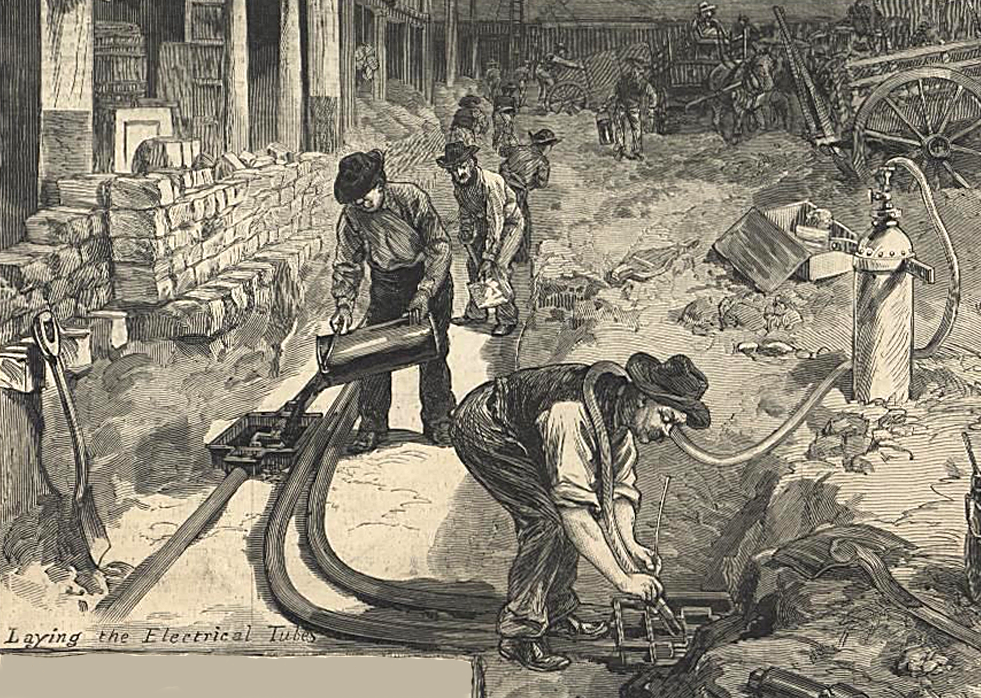
Workmen burying Edison DC power lines under the streets in New York City in 1882. This costly practice played to Edison's favor in public perceptions after several deaths were caused by overhead high-voltage AC lines.
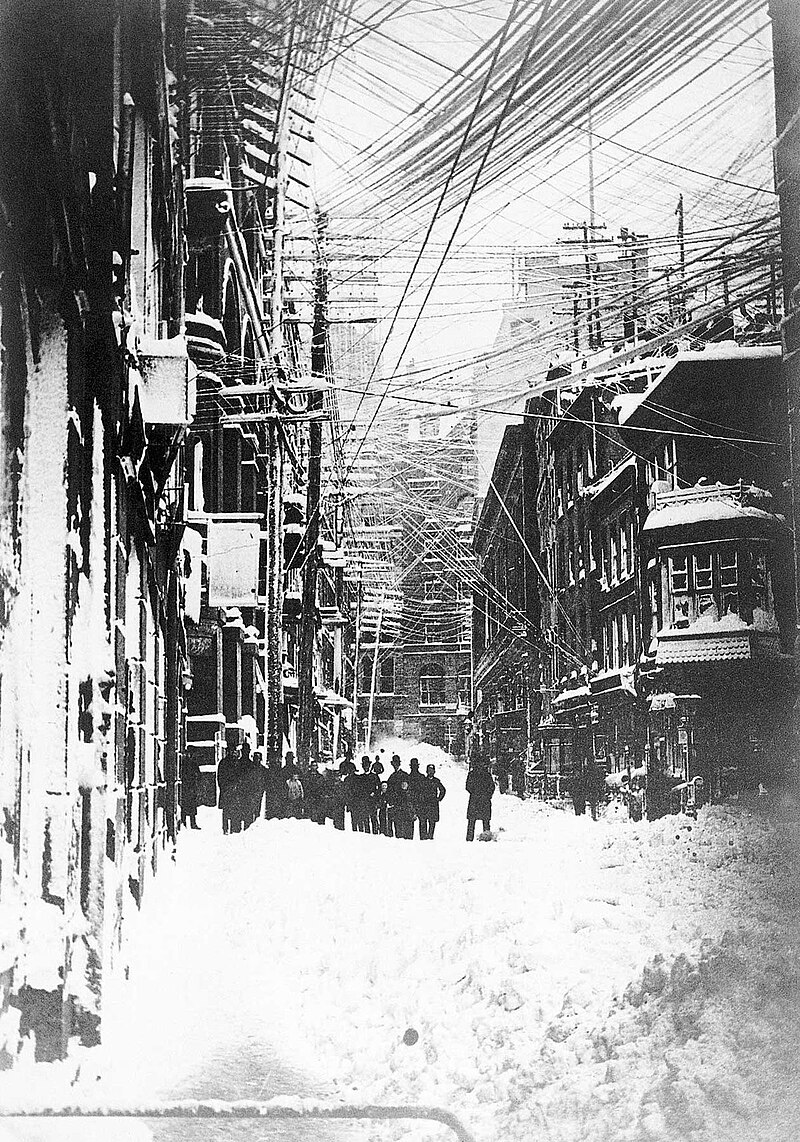
The myriad of telephone, telegraph, and power lines over the streets of New York City in a photo of the [Great Blizzard of 1888](https://en.wikipedia.org/wiki/Great_Blizzard_of_1888 "Great Blizzard of 1888"). An AC line that fell during the storm led to the electrocution of a boy that spring.
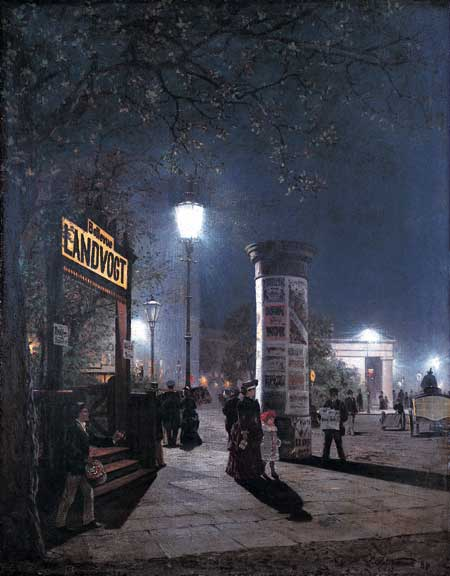
Berlin, 1884. With double the brilliance of gaslight, arc lamps were in high demand for stores and public areas. Arc lighting circuits used up to thousands of volts with arc lamps connected in [series](https://en.wikipedia.org/wiki/Series_and_parallel_circuits "Series and parallel circuits").
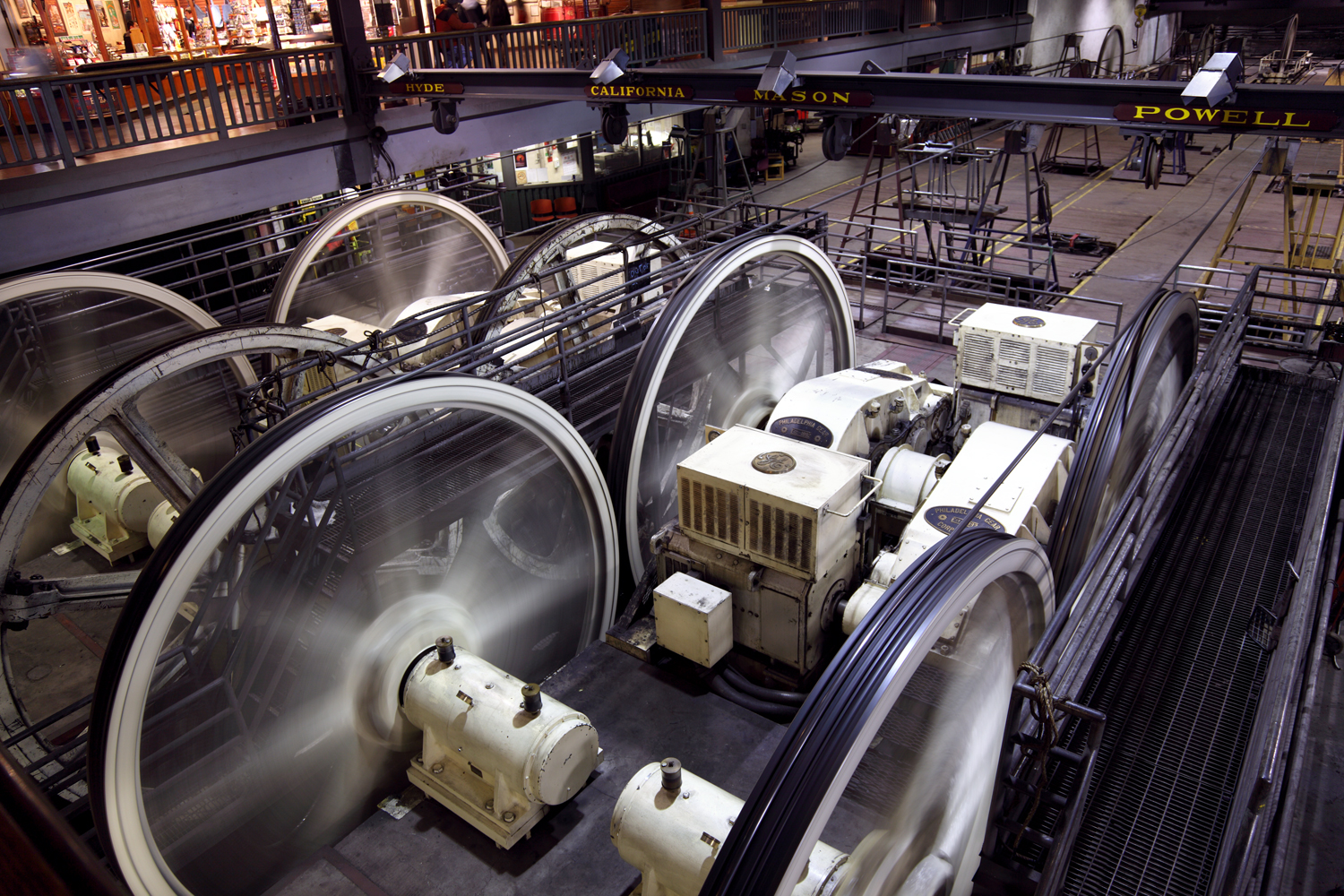
Machinery driving the San Francisco cable car system
#### **late 1800s**
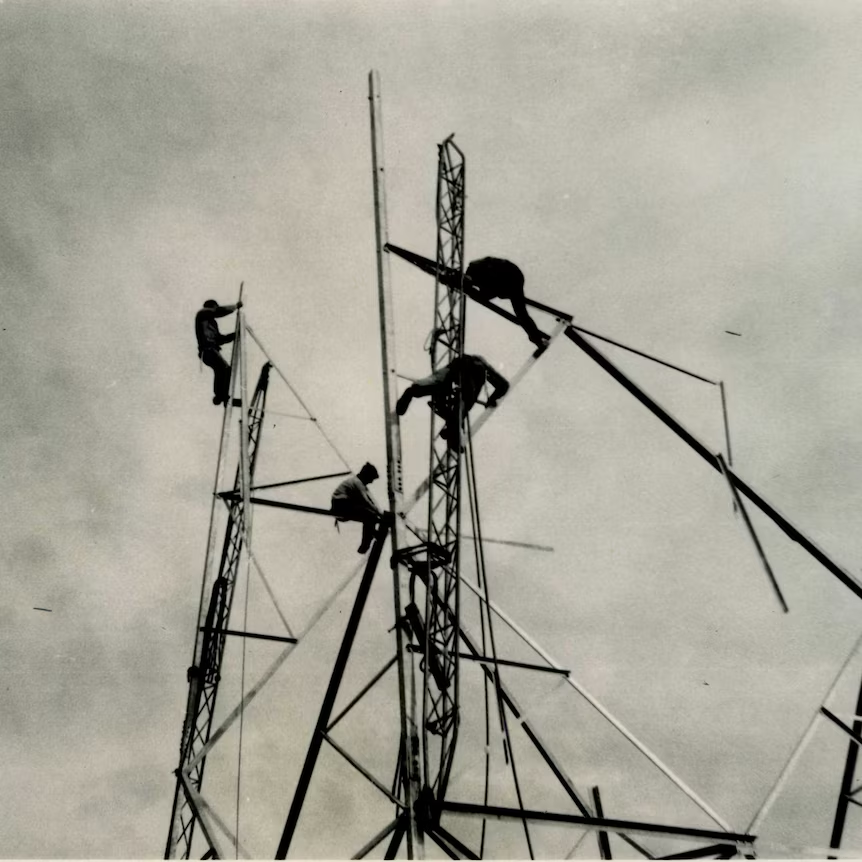
Prior to electricity, there had already existed multiple forms of power transmission, though they remained largely inefficient and expensive. These transmission lines operated perhaps within more of the physical realm of movement and power, utilizing telodynamics, pneumatics, and hydraulics. Electricity emerged as a much more cost-effective alternative, though the new system still encountered technical difficulties. There existed a particular struggle between AC and DC methods of transmitting electricity. Proponents of DC argued for safety, while others argued for convenience. Although there are doubts and fears from the general public, AC ultimately defeated DC due to its ability to travel long distances. Early electricity primarily supported street lights, electric motors in factories, power for streetcars, and lights in homes. Transmission lines were primarily made of copper and rion. Generators first commonly emerged as dynamos, but then transitioned to alternators using hydroelectric and coal.
Potential Readings:
[The Dark Side of the Light Bulb](https://hydraulogistics.at/The%20Dark%20Side%20of%20the%20Light%20Bulb)
[Fearing electricity: overhead wire panic in New York City](https://ieeexplore.ieee.org/document/464629)
The Rise of the Electrical Industry During the Nineteenth Century
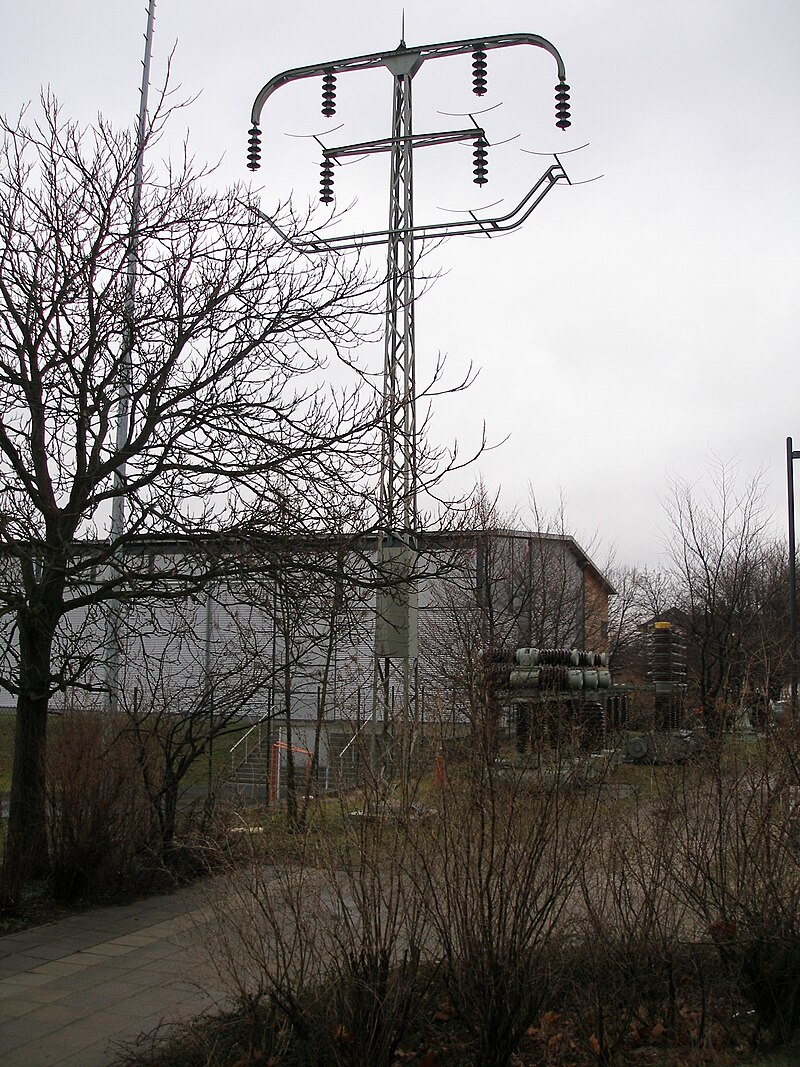
The first 110 kV transmission line in Europe was built around 1912 between Lauchhammer and Riesa, German Empire. Original pole.
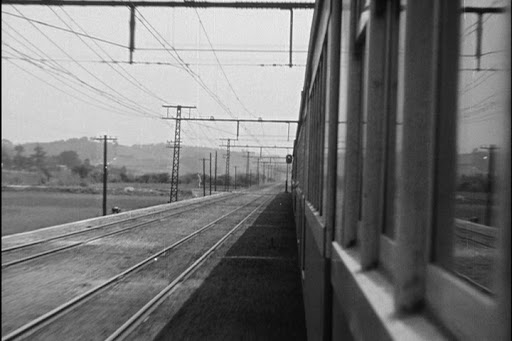
*Early Summer*
[Yasujirō Ozu](https://www.google.com/search?sca_esv=2ad822d8a9922be6&sxsrf=AE3TifPDXujh3WhqetO6KxhNLnTi76xrKw:1757910532254&q=Yasujir%C5%8D+Ozu&si=AMgyJEveiRpRWbYSNPkEPxCUbItHSvun4xkRgDDPLmrOjDx35FKA0ME2aHCKKD7b5eP8kyjq-IAoyzbkU4_1n9irfpx-hgJyX7TB0Ftc8UepsidmL4GkIRUl4QOnm4480ZaciKCqYgH6GykiR91OLNI7RoslYn55q_Ji3TcoXGzm62HD8AA7jQr7Bd4Nx6QXSrD5FN7ATeUy&sa=X&ved=2ahUKEwi4tsmG99mPAxWvkyYFHSynJJoQmxN6BAgcEAI)
1951
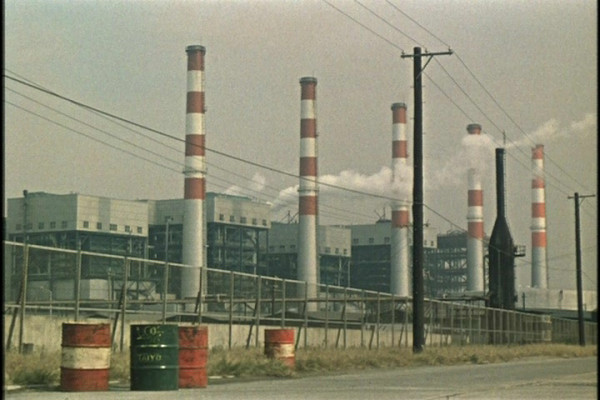
An Autumn Afternoon
[Yasujirō Ozu](https://www.google.com/search?sca_esv=2ad822d8a9922be6&sxsrf=AE3TifPtZXQheaooGO6gb-fqKZc2YkGRzA:1757911625499&q=Yasujir%C5%8D+Ozu&si=AMgyJEveiRpRWbYSNPkEPxCUbItHSvun4xkRgDDPLmrOjDx35FKA0ME2aHCKKD7b5eP8kyjq-IAoyzbkU4_1n9irfpx-hgJyX7TB0Ftc8UepsidmL4GkIRUl4QOnm4480ZaciKD8Hu1n8dzlA7C8iV5s3SlArE0sfzOHgXCtrs8HVfjgH6FtO4wykLMY3hb-G3I246p30Rxe&sa=X&sqi=2&ved=2ahUKEwjW6u-P-9mPAxW9MNAFHRMpEQwQmxN6BAgwEAI)
1962
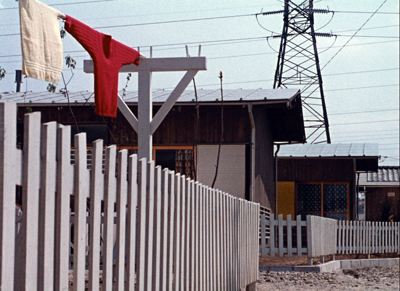
A Good Morning
[Yasujirō Ozu](https://www.google.com/search?sca_esv=2ad822d8a9922be6&sxsrf=AE3TifPtZXQheaooGO6gb-fqKZc2YkGRzA:1757911625499&q=Yasujir%C5%8D+Ozu&si=AMgyJEveiRpRWbYSNPkEPxCUbItHSvun4xkRgDDPLmrOjDx35FKA0ME2aHCKKD7b5eP8kyjq-IAoyzbkU4_1n9irfpx-hgJyX7TB0Ftc8UepsidmL4GkIRUl4QOnm4480ZaciKD8Hu1n8dzlA7C8iV5s3SlArE0sfzOHgXCtrs8HVfjgH6FtO4wykLMY3hb-G3I246p30Rxe&sa=X&sqi=2&ved=2ahUKEwjW6u-P-9mPAxW9MNAFHRMpEQwQmxN6BAgwEAI)
1959
[](https://hydraulogistics.at/uploads/images/gallery/2025-09/rXAimage.png)
[](https://hydraulogistics.at/uploads/images/gallery/2025-09/KGTimage.png)
[](https://hydraulogistics.at/uploads/images/gallery/2025-09/bucimage.png)
[](https://hydraulogistics.at/uploads/images/gallery/2025-09/Bruimage.png)
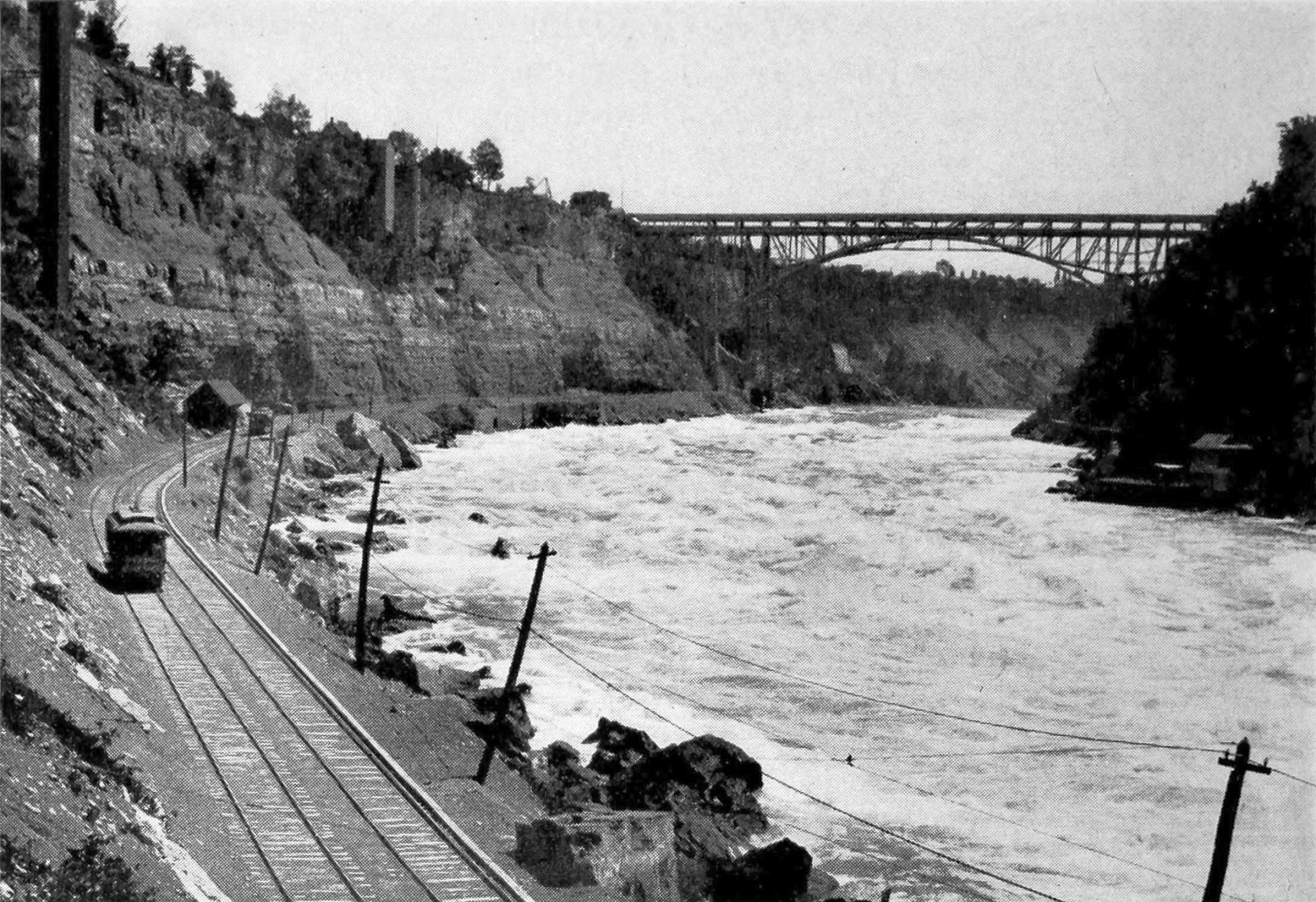
Niagara Gorge Railroad in 1913
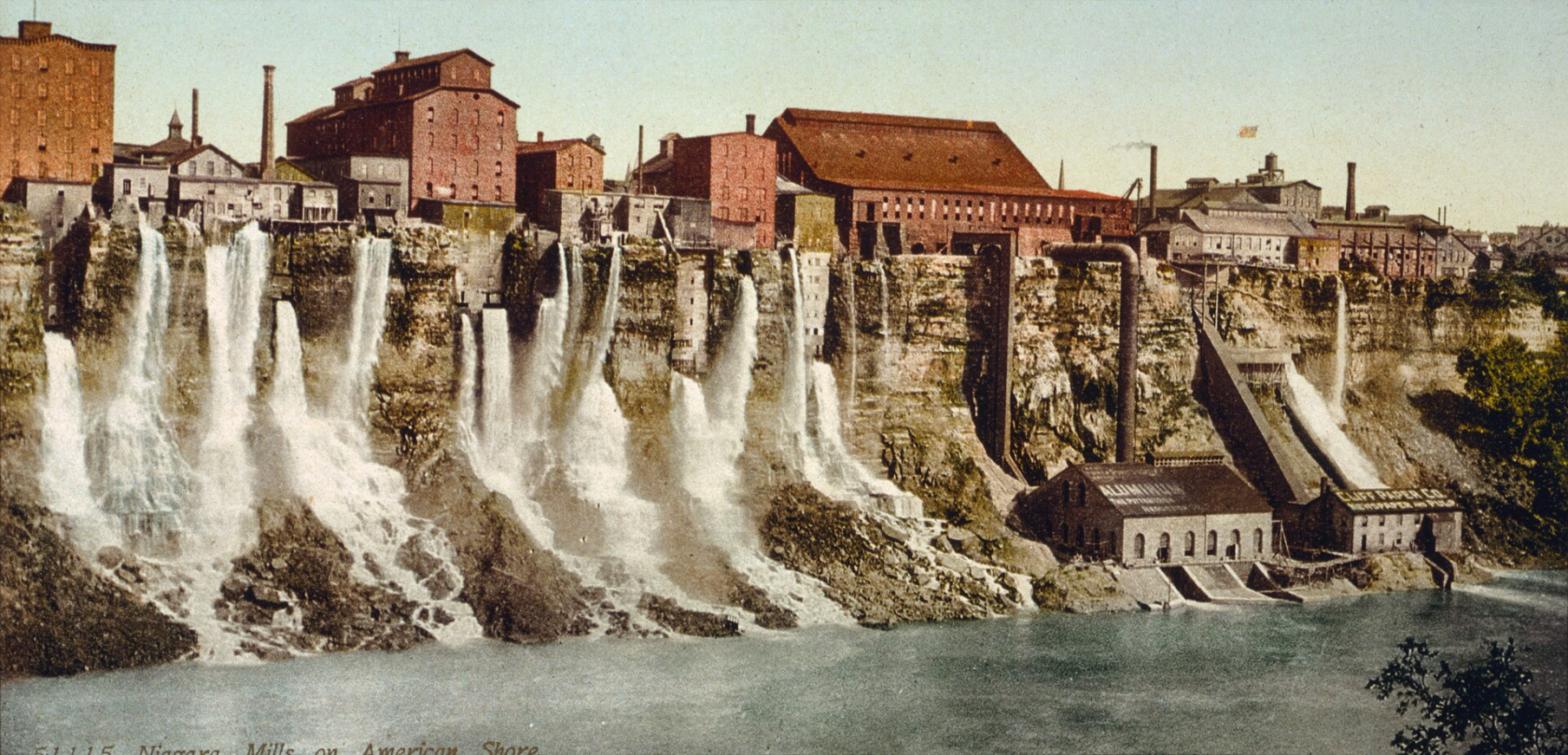
Schoellkopf mills along the canal in 1900
#### **early 1900s**
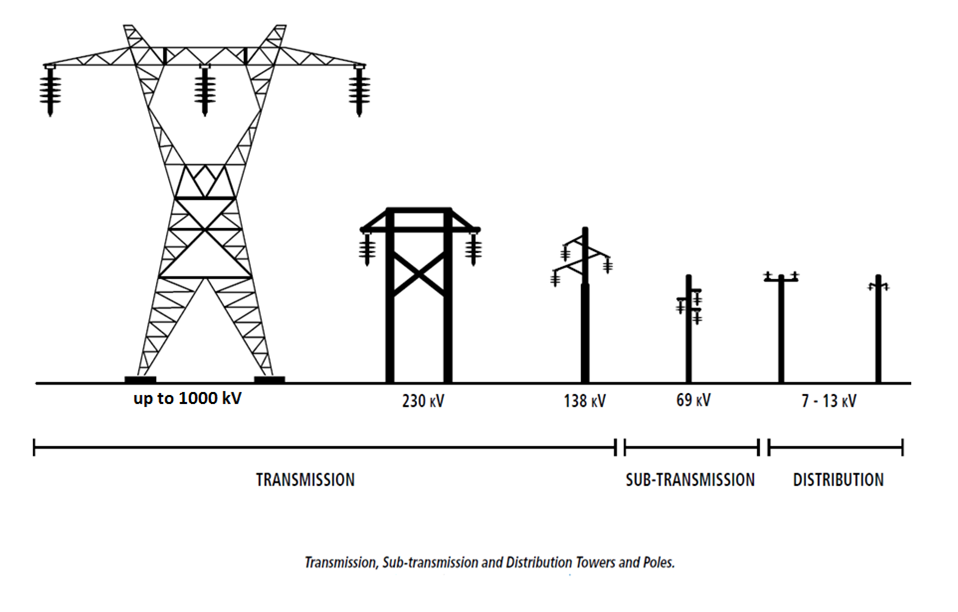
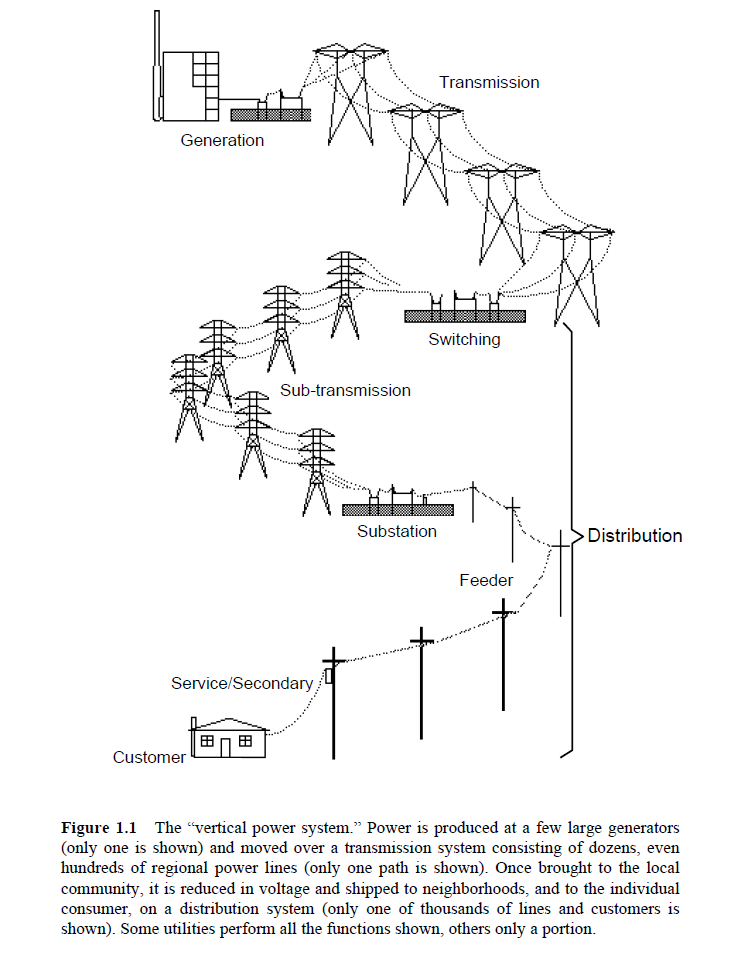
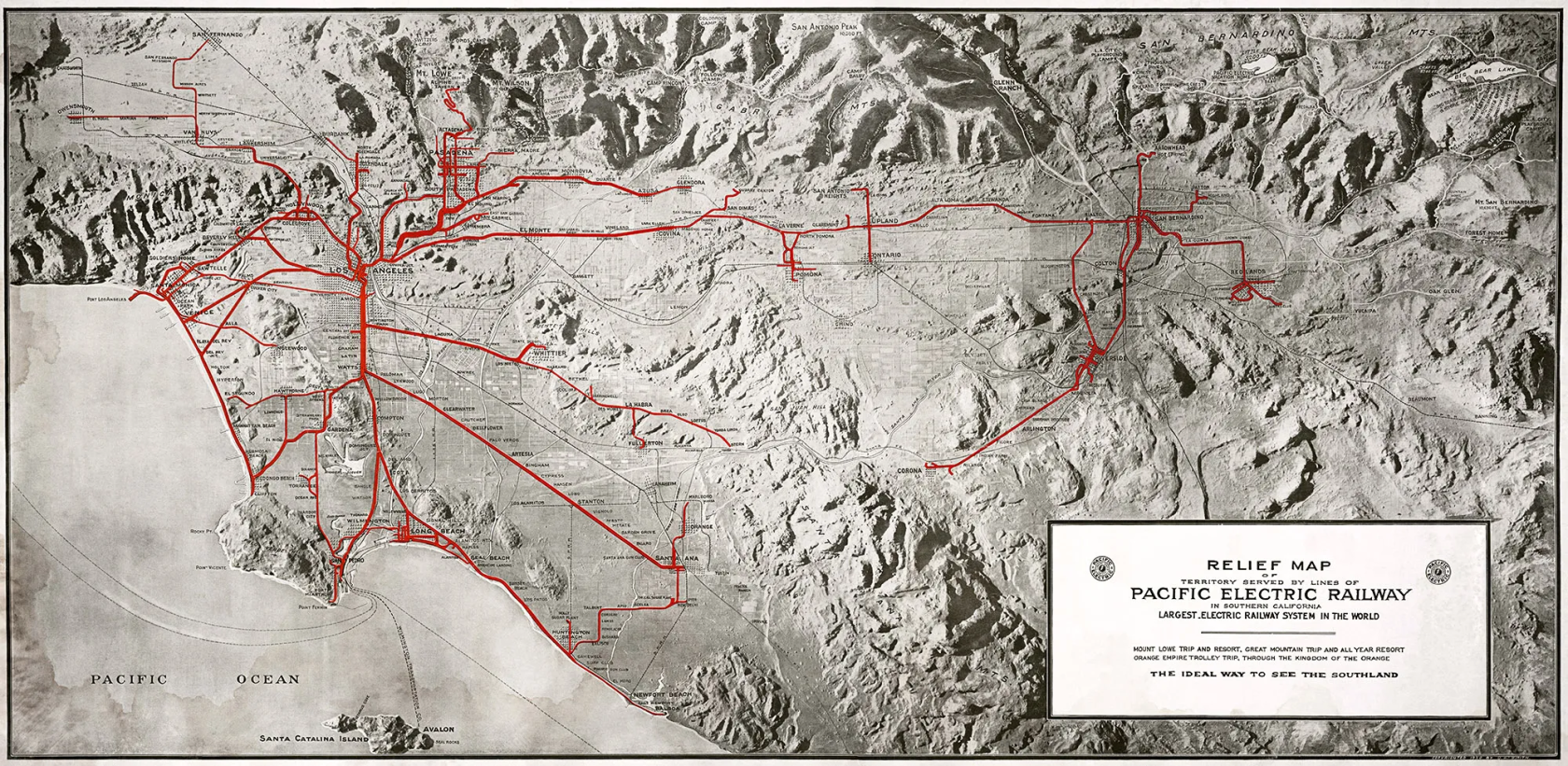
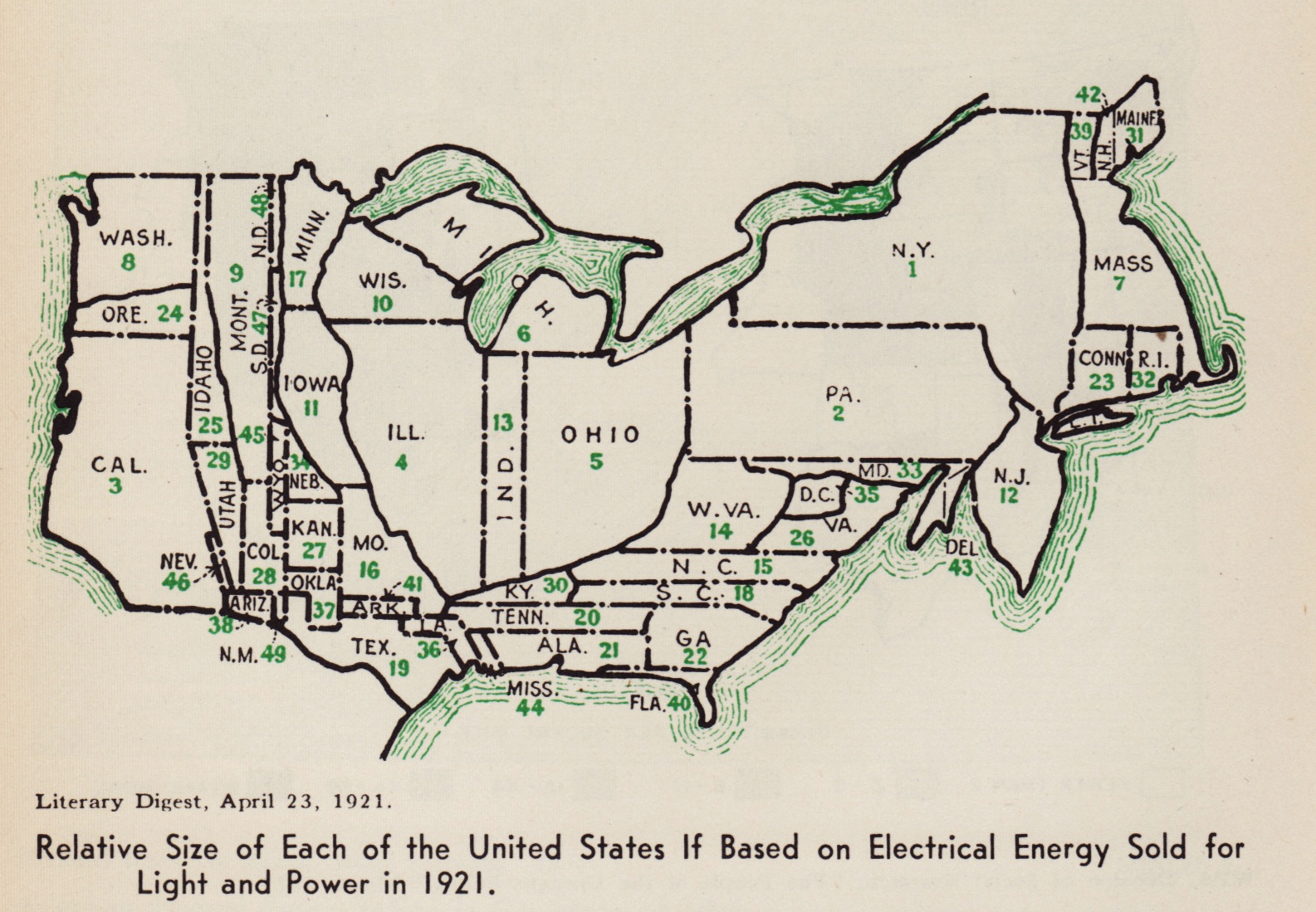
During the 1900s, the technology built from the previous century began to quickly develop across the country, with noticeable structures built on the West Coast. The Niagara Falls Hydraulic Power and Manufacturing Company's success served as a key symbol of such forms of development. Yet, one can see the noticeable increase in the pure scale of these infrastructures and their coexistence with other forms of infrastructures, such as railroads and canals. The development of electricity laid the grounds to intensify the process of industrial production. Starting from this period onward, electricity is no longer viewed as an intrusion on life but rather a guarantee of life. Higher and Higher voltage of power generation and transmission lines allowed power to cross the vast landscapes of America with ease. The convenience of electricity is not only permitted in its physical access but also economic access: the price of electricity dropped exponentially since its invention in the 1800s. With the efforts of development in this period, electricity connected the West Coast to the East Coast, generating more power than the rest of the world combined by 1929. Utility monopolies were accepted in exchange for price and service regulation (Public Utility Holding Company Act of 1935).
See additional information for more images.
References of Interest
[The Birth of the Grid](https://www.construction-physics.com/p/the-birth-of-the-grid)
[Writer searches for workers and descendants of relatively unknown power company](https://www.abc.net.au/listen/programs/hobart-breakfast/writer-on-search-for-workers-and-descendants-of-power-company/11270262)
[Program:Hobart Breakfast](https://www.abc.net.au/listen/programs/hobart-breakfast/)
[A Field Guide To Transmission Lines](https://hackaday.com/2019/06/11/a-field-guide-to-transmission-lines/)
[](https://hydraulogistics.at/uploads/images/gallery/2025-09/oowimage.png)
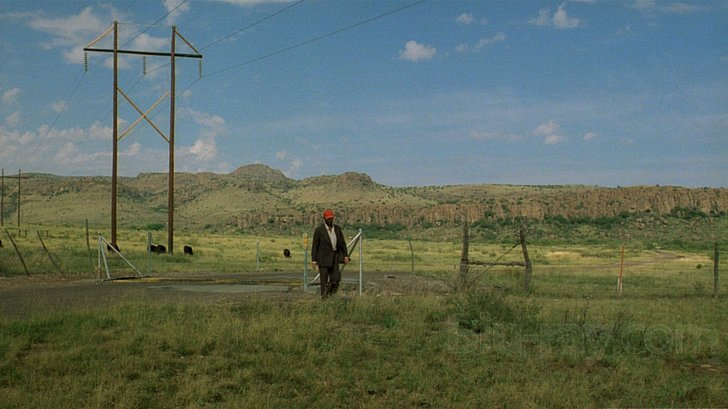
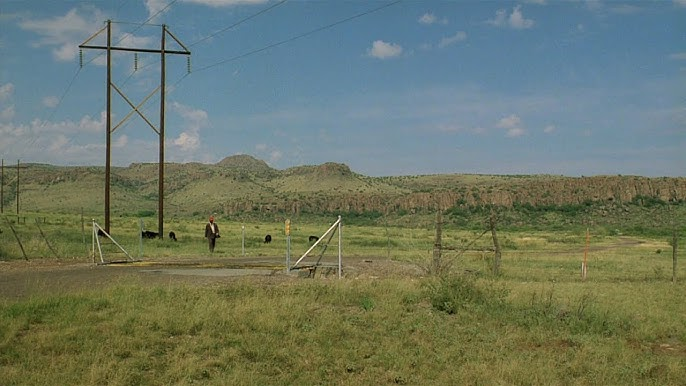
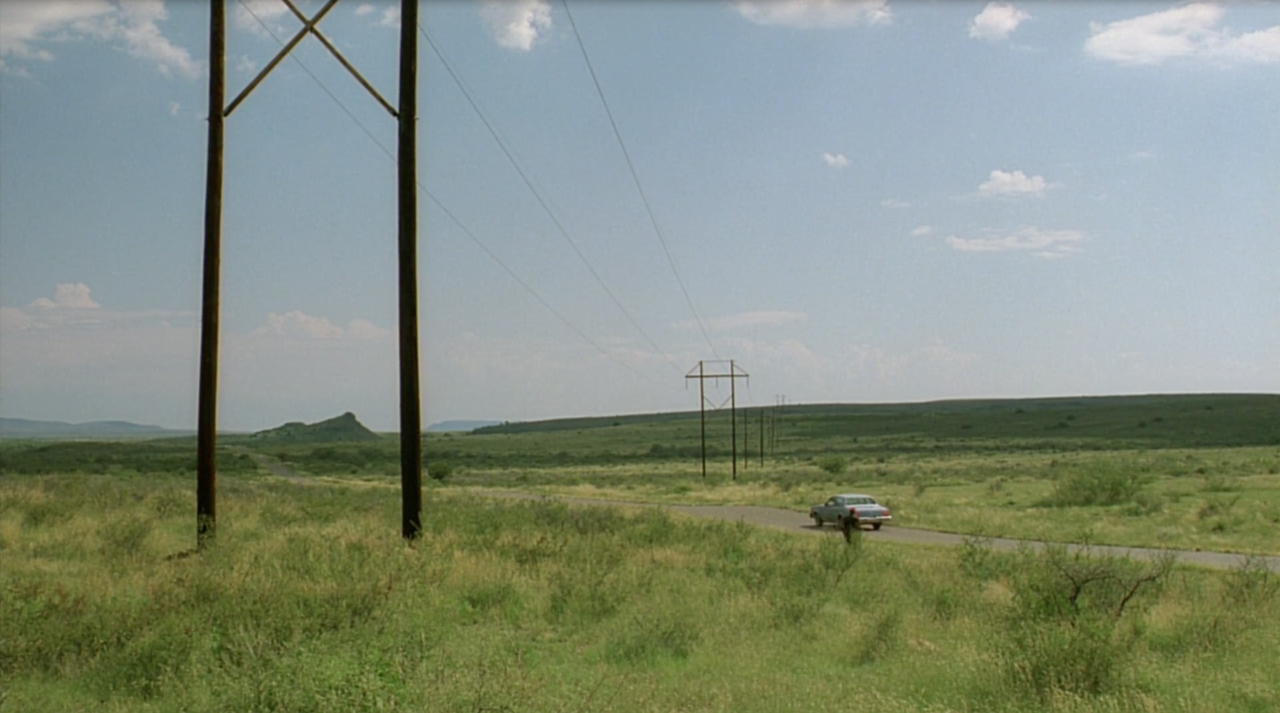
*Paris, Texas*
Wim Wenders
1984
[](https://hydraulogistics.at/uploads/images/gallery/2025-09/M2limage.png)
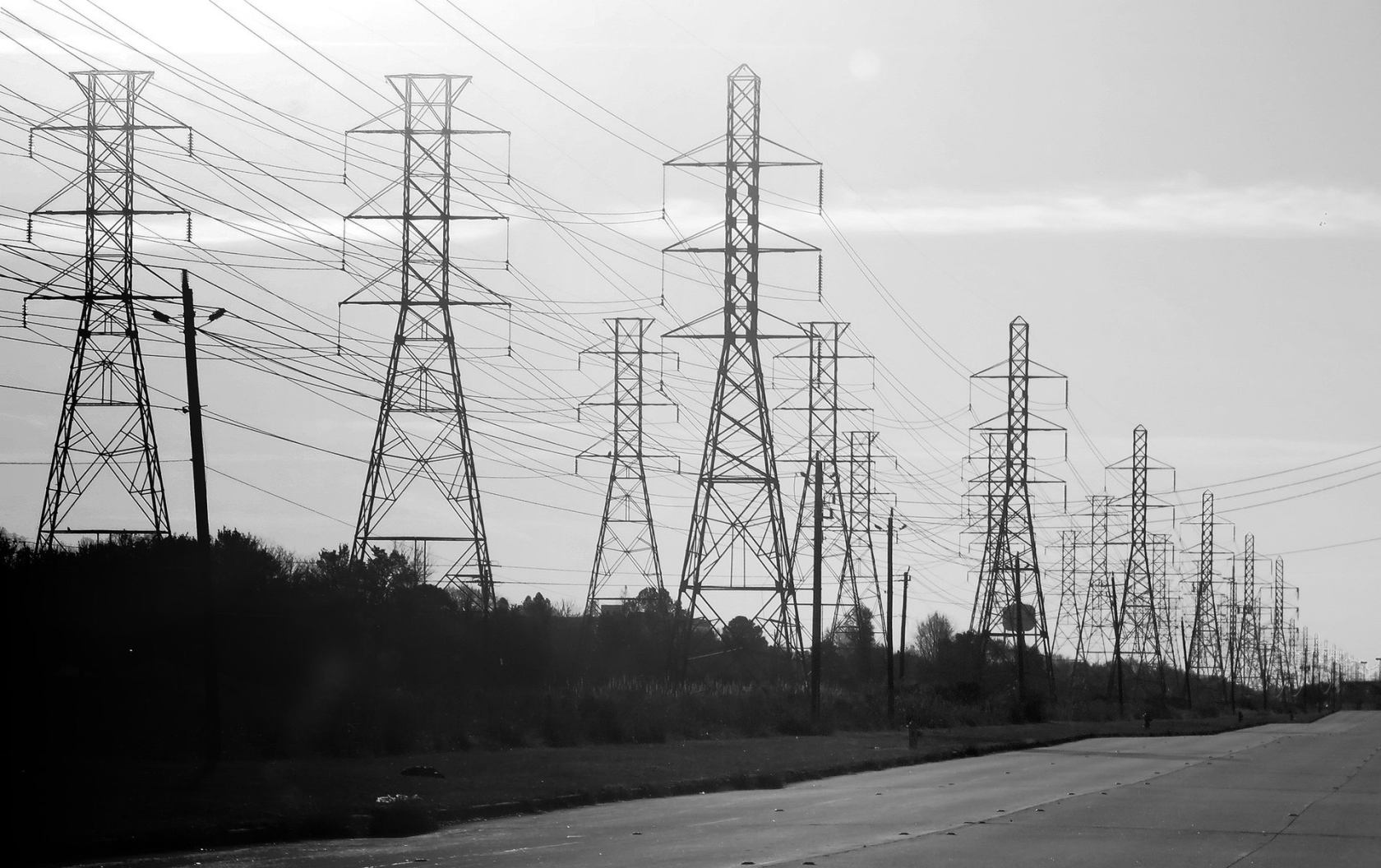
Three-abreast electrical pylons in Webster, Texas
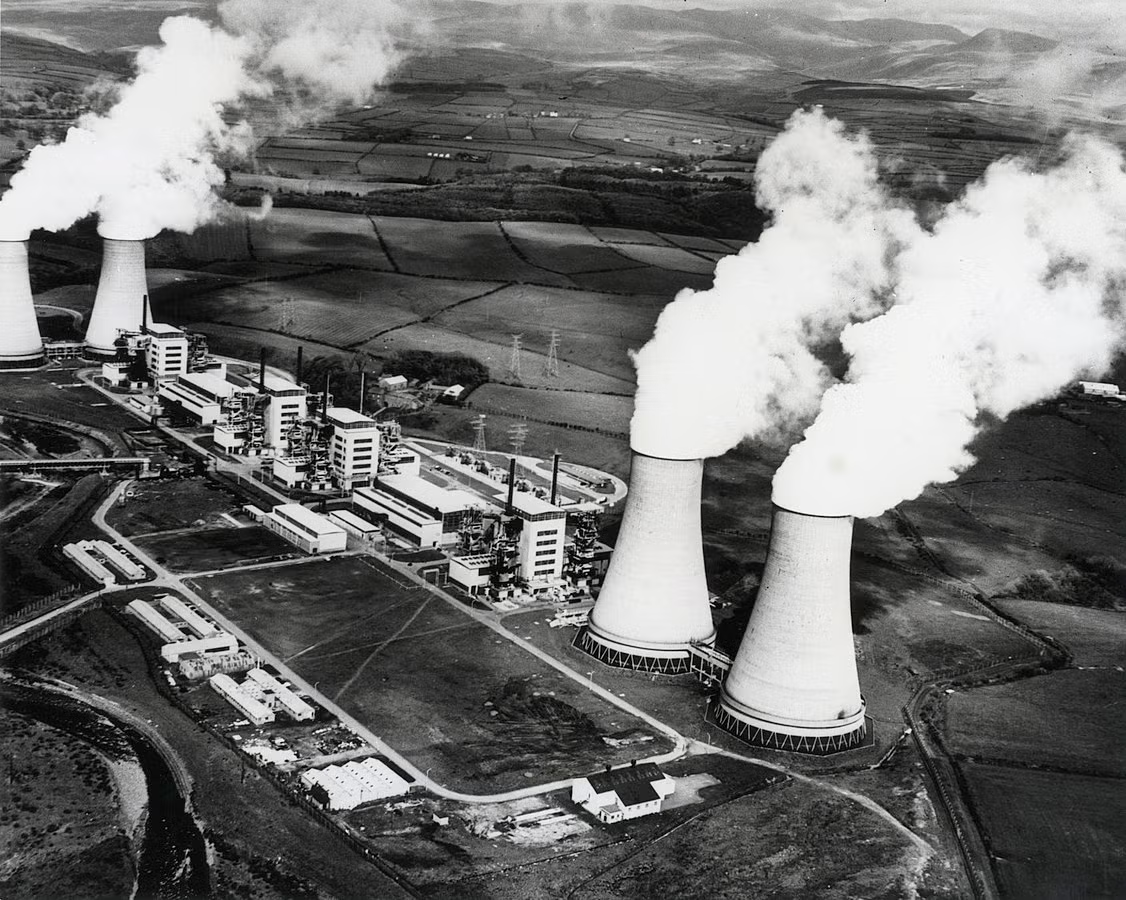
Calder Hall was the world’s first industrial-scale nuclear power. Located in Seascale, England, and Built in 1956. Decommissioned in 2003.
[](https://hydraulogistics.at/uploads/images/gallery/2025-09/ISSimage.png)
#### **late 1900s**
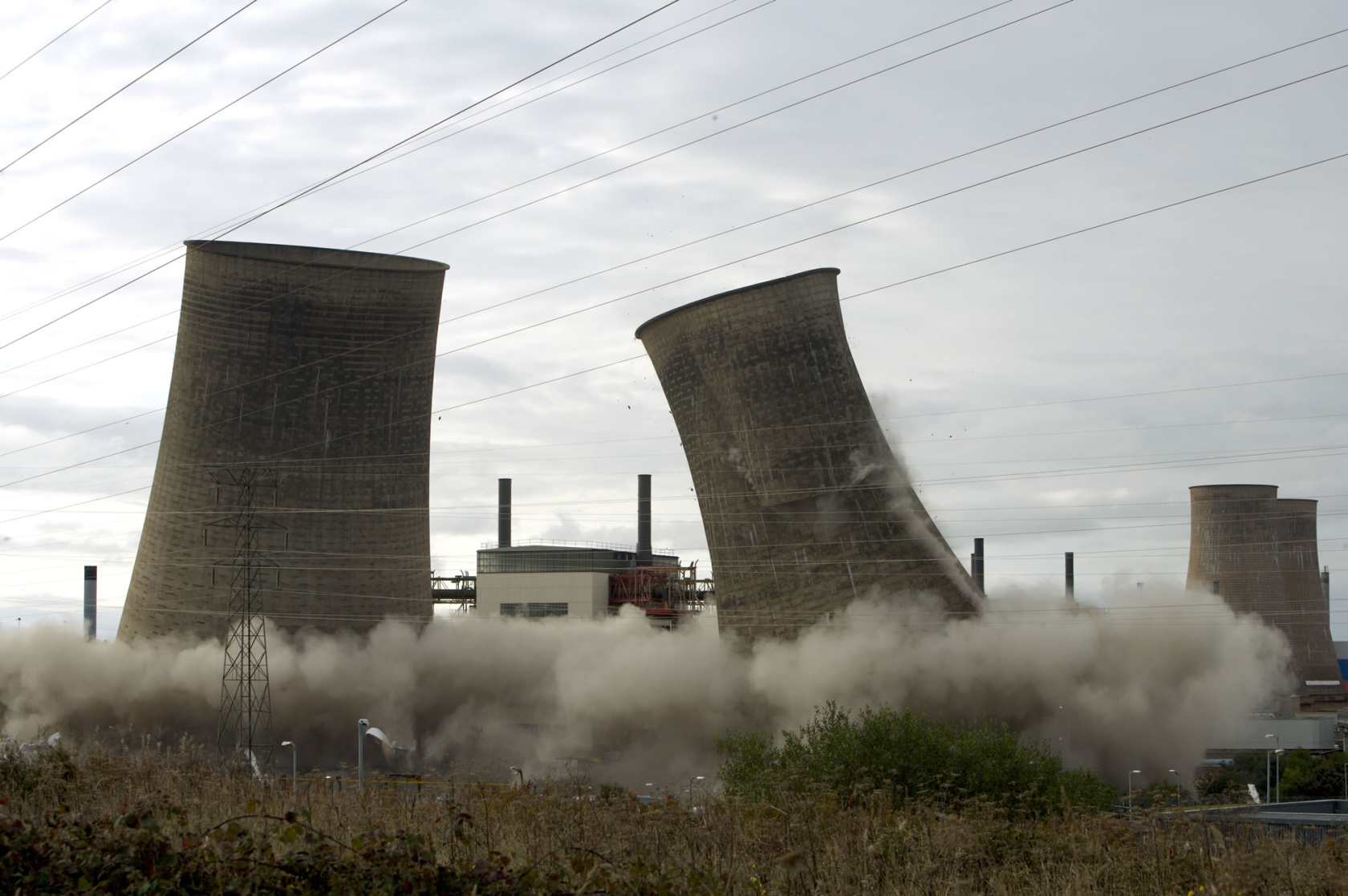
As the 1900s progressed, electricity became a household concept. Voltage continued to grow, and the development of Nuclear power provided another source of cheap energy in addition to coal, gas, and hydro. The electrical developments of this time formed the three electrical networks of the US: Eastern Interconnection, Western Interconnection, and Texas ERCOT. The government policy transitioned the generation monopoly to allow competition in generation, while transmission and distribution remained regulated monopolies. It seems that the technological capacities of existing infrastructure have reached their limit, and innovation has become focused on the management of electricity and mobility of electricity in the form of batteries.
**Potential References**
[Power for progress: The impact of electricity on individual labor market outcomes](https://www.sciencedirect.com/science/article/pii/S001449832500049X)
[https://www.google.com/url?sa=i&url=https%3A%2F%2Fdownload.terna.it%2Fterna%2F0000%2F0085%2F52.pdf&psig=AOvVaw04qLbkwz\_Tn637F5v7-eXg&ust=1757996721941000&source=images&cd=vfe&opi=89978449&ved=0CBkQjhxqFwoTCIDzhKz22Y8DFQAAAAAdAAAAABBj](https://www.google.com/url?sa=i&url=https%3A%2F%2Fdownload.terna.it%2Fterna%2F0000%2F0085%2F52.pdf&psig=AOvVaw04qLbkwz_Tn637F5v7-eXg&ust=1757996721941000&source=images&cd=vfe&opi=89978449&ved=0CBkQjhxqFwoTCIDzhKz22Y8DFQAAAAAdAAAAABBj)
[Innovation, Interconnection, and Institutions: Evolving Electric Power Systems in the Early 20th Century ](https://hydraulogistics.at/Innovation,%20Interconnection,%20and%20Institutions:%20Evolving%20Electric%20Power%20Systems%20in%20the%20Early%2020th%20Century)
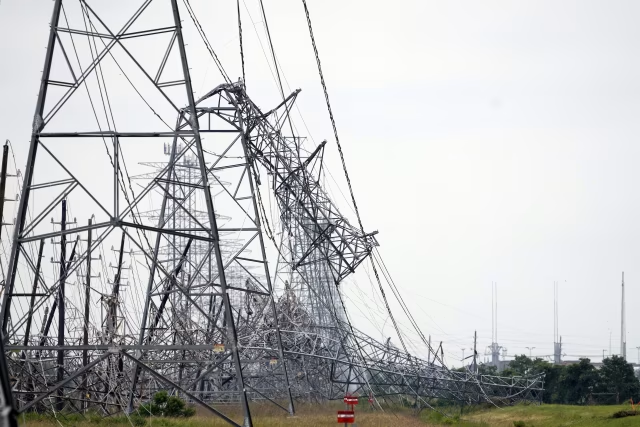
Houston Transmission Lines after Hurricane Beryl.
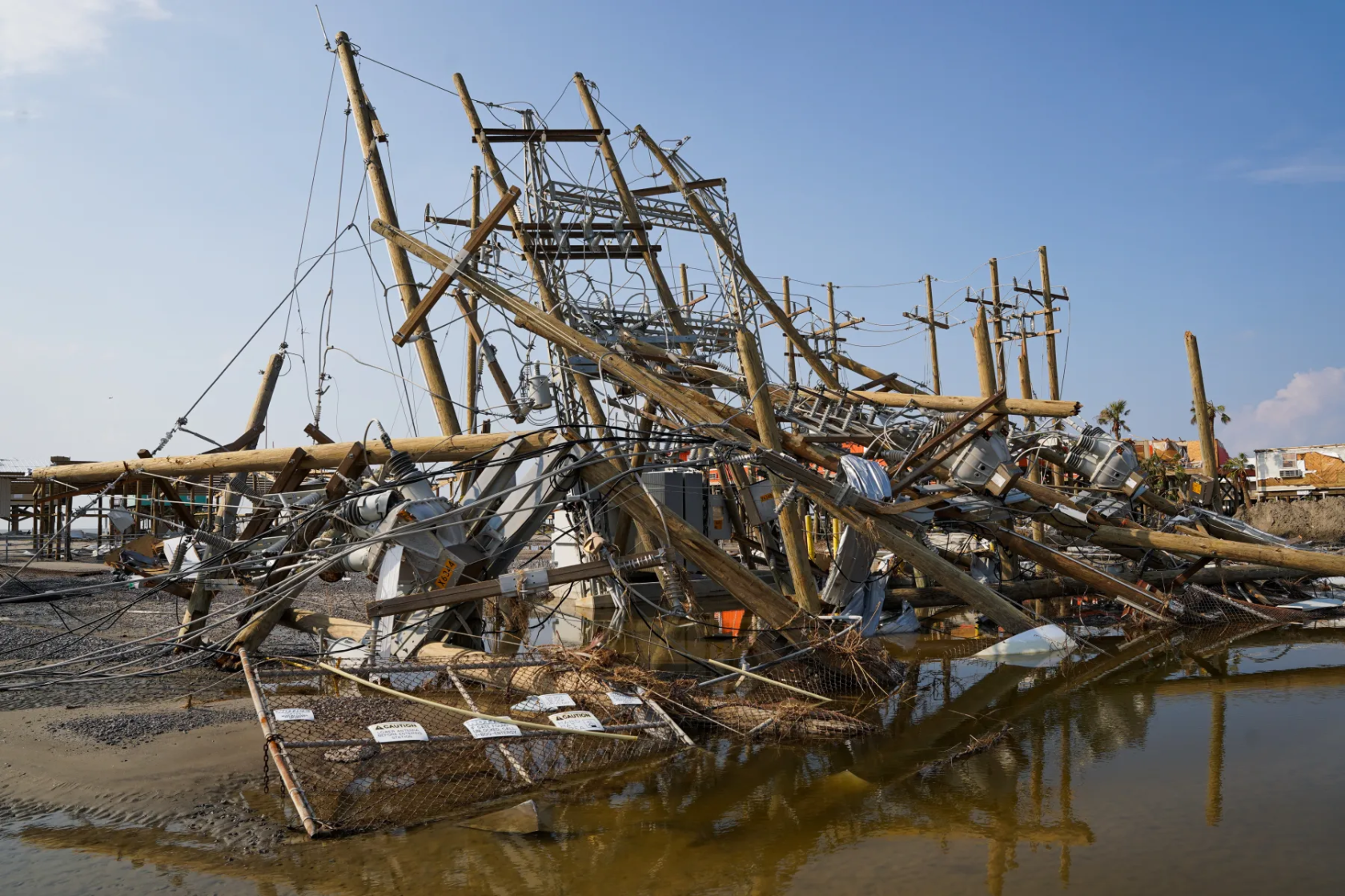
An electrical substation in Grand Isle, La., is left crumpled in the wake of Hurricane Ida on Sept. 4, 2021.
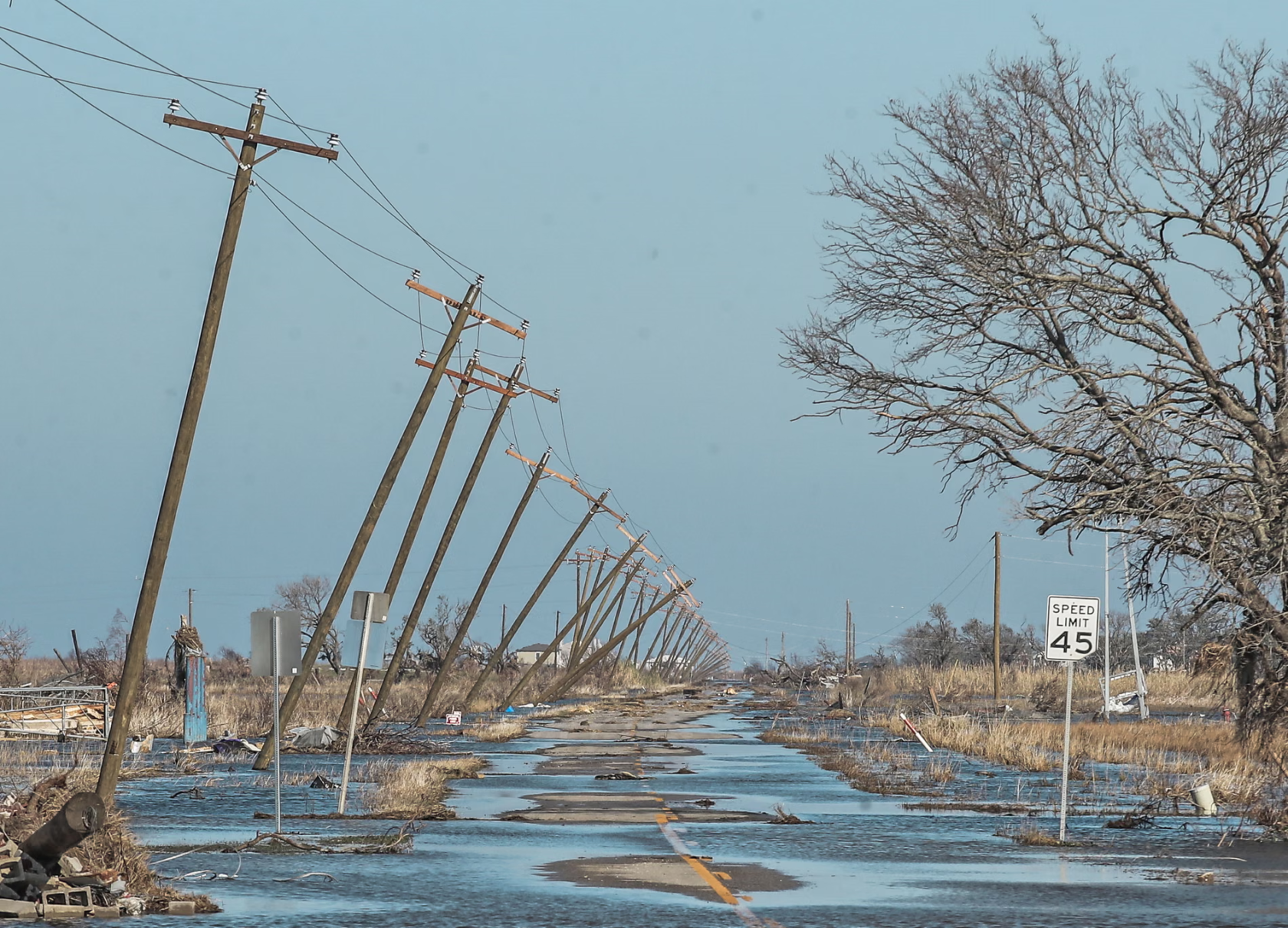
Utility poles lean along a flooded road in Cameron, Louisiana, in October 2020. Photograph: Tannen Maury/EPA
#### **2000s**
Despite all the development for the past century, electricity seems to have become a fragile entity again. Development in new forms of technology is rarely heard, but what is more often heard is the yearly outage, either in summer or winter. The very environment for these systems to exist has shifted dramatically, proposing questions not of infrastructural efficiency but infrastructure resilience. Though the demand continues to grow, through new data centers or just more and more power-demanding appliances. Cheaper electricity matched with equal consumption inflation, where the proportion between electricity's cost and a product's cost remained consistent. The realities of climate change demanded a policy to focus on advocating green energy, but the economic realities leaves questions on its scalability.
Potential References
[The Effects of Rural Electrification on Employment: New Evidence from South Africa](https://www.aeaweb.org/articles?id=10.1257/aer.101.7.3078)
# IT Connectivity History
#### 1940s to 1960s - scale 1
[](https://hydraulogistics.at/uploads/images/gallery/2025-09/RwEimage.png)
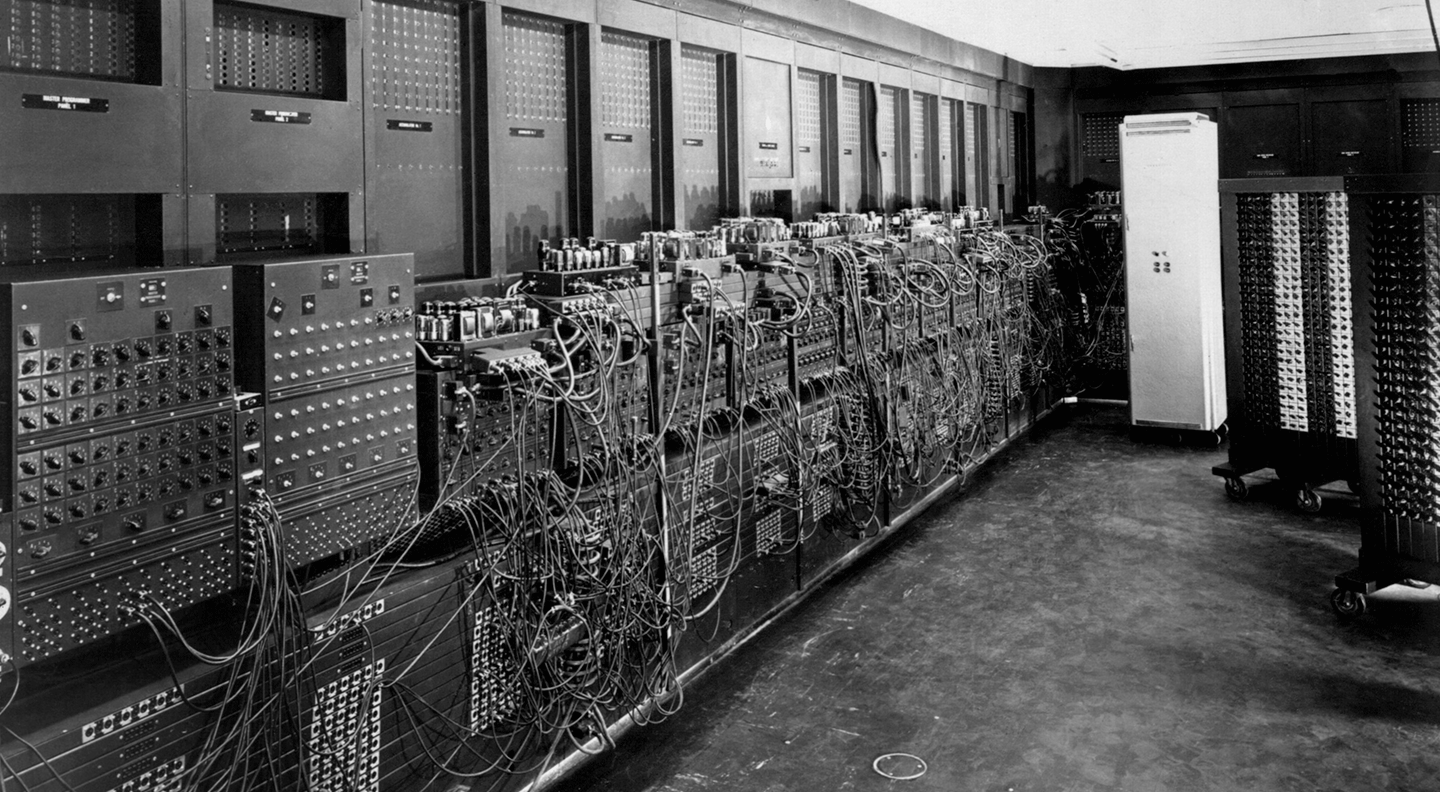
**The world’s first electronic digital computer, ENIAC (electronic numerical integrator and computer), was built for the U.S. Army between 1943-1945 and ushered in the Information Age. When it was refurbished and redeployed in 1946, it was the beginning of the processes we follow in today’s IT asset disposition (ITAD) industry.**
[](https://hydraulogistics.at/uploads/images/gallery/2025-09/xz7image.png)
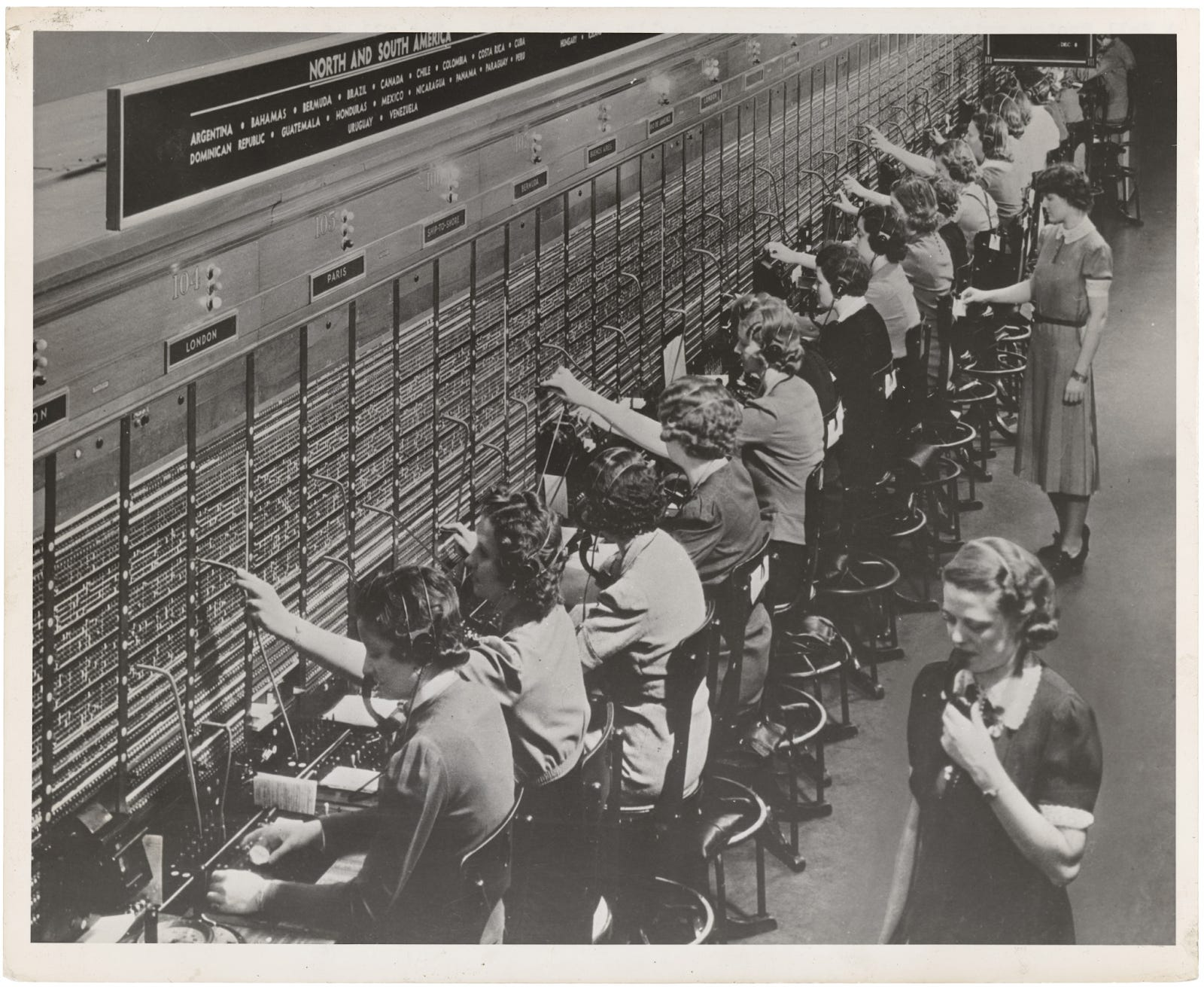
**Photograph of Women Working at a Bell System Telephone Switchboard, circa 1945. (source: The U.S. National Archives on Flickr)**
[](https://hydraulogistics.at/uploads/images/gallery/2025-09/4cbimage.png)
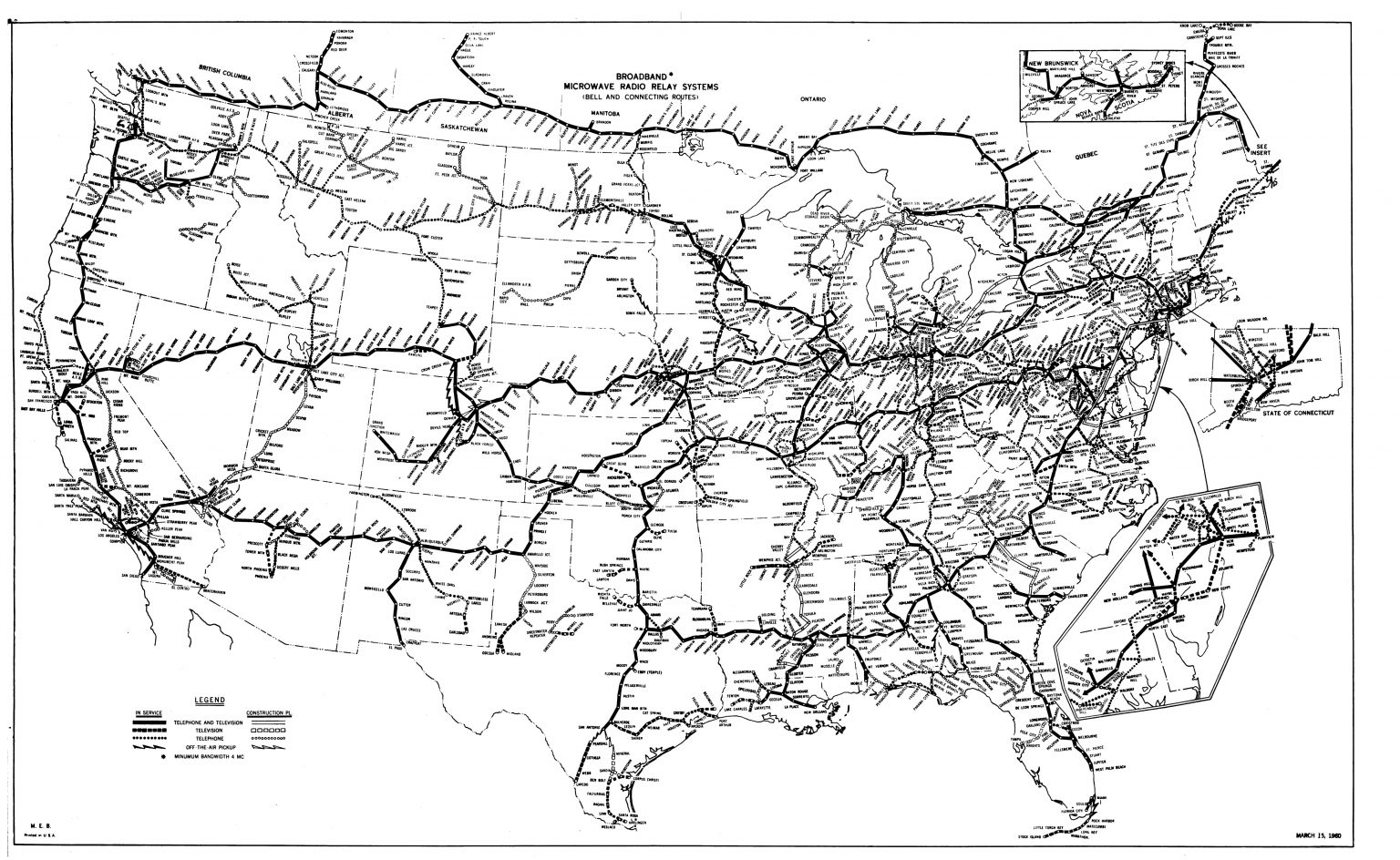
**A 1960 map of the broadcast lines connecting the stations.**
[](https://hydraulogistics.at/uploads/images/gallery/2025-09/nZcimage.png)
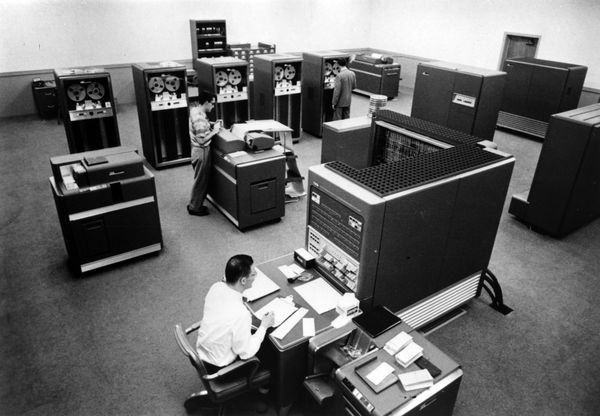
**IBM 704 Electronic Data Processing System**
[](https://hydraulogistics.at/uploads/images/gallery/2025-09/U0aimage.png)
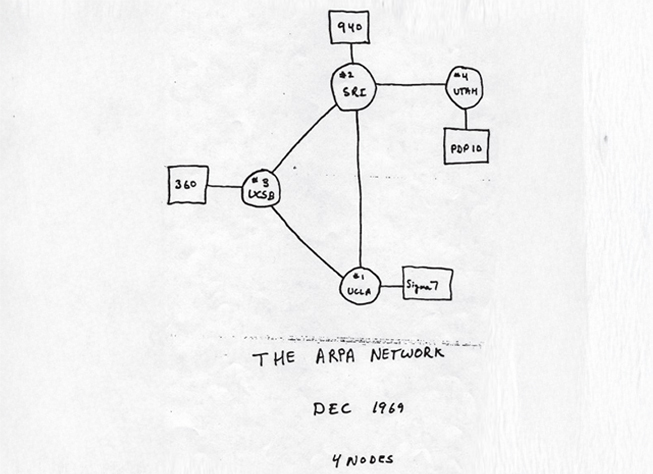
First four nodes of the ARPANET in 1969, UCSB, UCLA, UofUtah, Stanford
Early developments of the computer and its surrounding technology were fundamentally driven by the US military, or DARPA. In pressure of both WW2 and the Cold War, the government was eager to use computers for possibilities of command and control. These interests led to the development of ARPANET, the precursor to the Internet. Although the term data center has not fully emerged, computers like IBM 704 required large rooms and significant cooling capabilities, starting to resemble what we see today as data centers. Rudimentary slow communication between these computers was possible, but remained limited to the capabilities of telephone lines. Although the computers were also limited in access, programming language like BASIC were development to appeal to a larger audience during this time.
Potential Readings:
[https://ed-thelen.org/comp-hist/BRL61-ibm0704.html](https://ed-thelen.org/comp-hist/BRL61-ibm0704.html)
[https://www.darpa.mil/news/features/arpanet](https://www.darpa.mil/news/features/arpanet)
[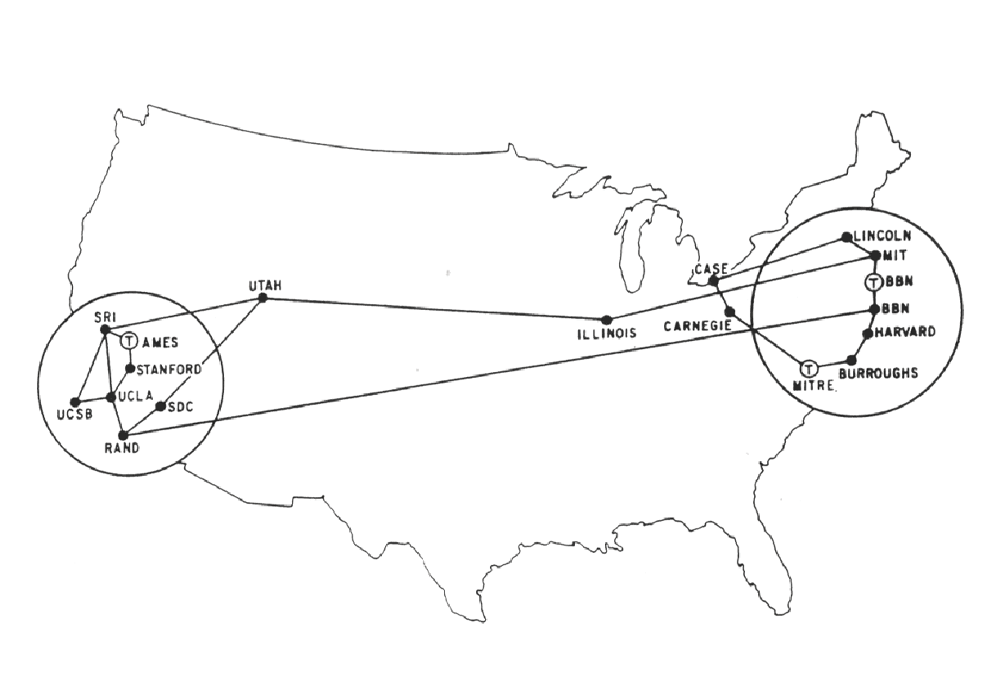](https://hydraulogistics.at/uploads/images/gallery/2025-09/llqimage.png)
Multiple geographically dispersed nodes of ARPANET in 1970
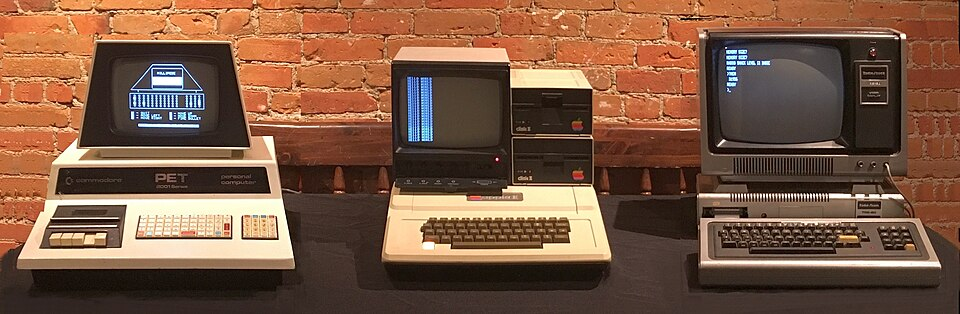The three computers whose makers **Byte** magazine referred to as the "1977 Trinity" – from left to right: the Commodore PET 2001, the Apple II, and the Tandy/Radio Shack TRS-80 Model 1
[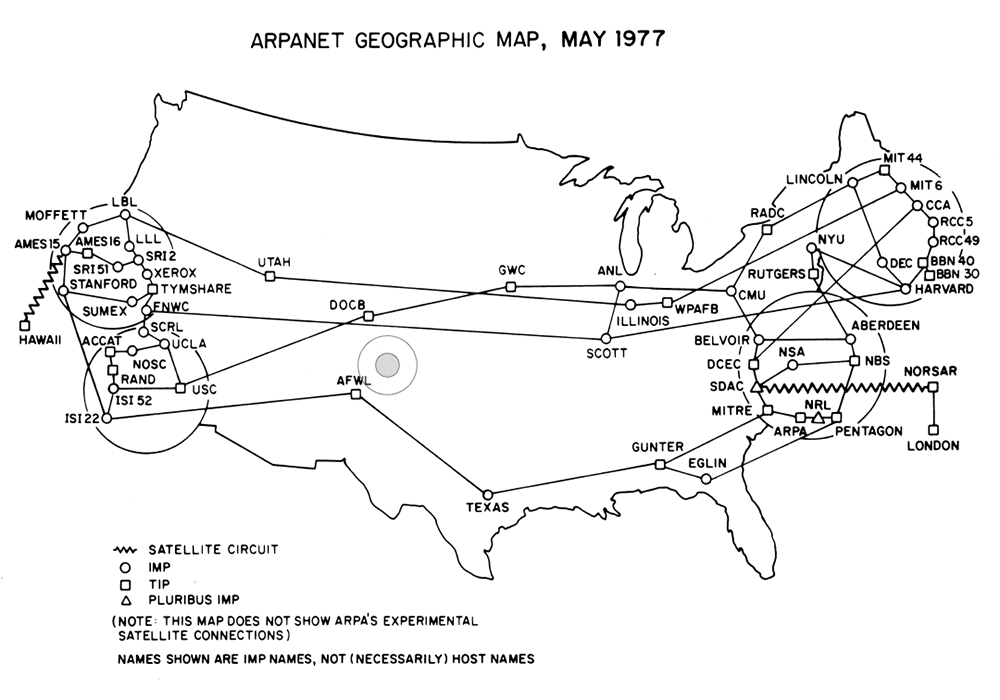](https://hydraulogistics.at/uploads/images/gallery/2025-09/znQimage.png)
Significant expansion across U.S. military bases, government labs, and universities of ARPANET 1977.
#### 1970s to 1980s- scale 2
The 1970s and 80s would see the first rise of commercial personal computers, as evidenced by the 1977 Trinity of Commodore, Apple, and Tandy. These computers popularized notions of home computing and decentralized access to computers. The decentralization and increased access to computers laid the groundwork for the widespread use of the internet in the years to come. From the 70s to the 80s, the US military continued experimenting with ARPANET and researching the protocol required for the stable transfer of information. The size of ARPANET continues to grow across the country, eventually becoming large enough to be considered a large entity. The Transmission Control Protocol (TCP) and the Internet Protocol (IP) were commercialized during the 1980s, which truly started the global internet age. Networks like Usenet that allowed easy sharing of data using TCP and IP became popular and served as an early decentralized version of the Internet.
[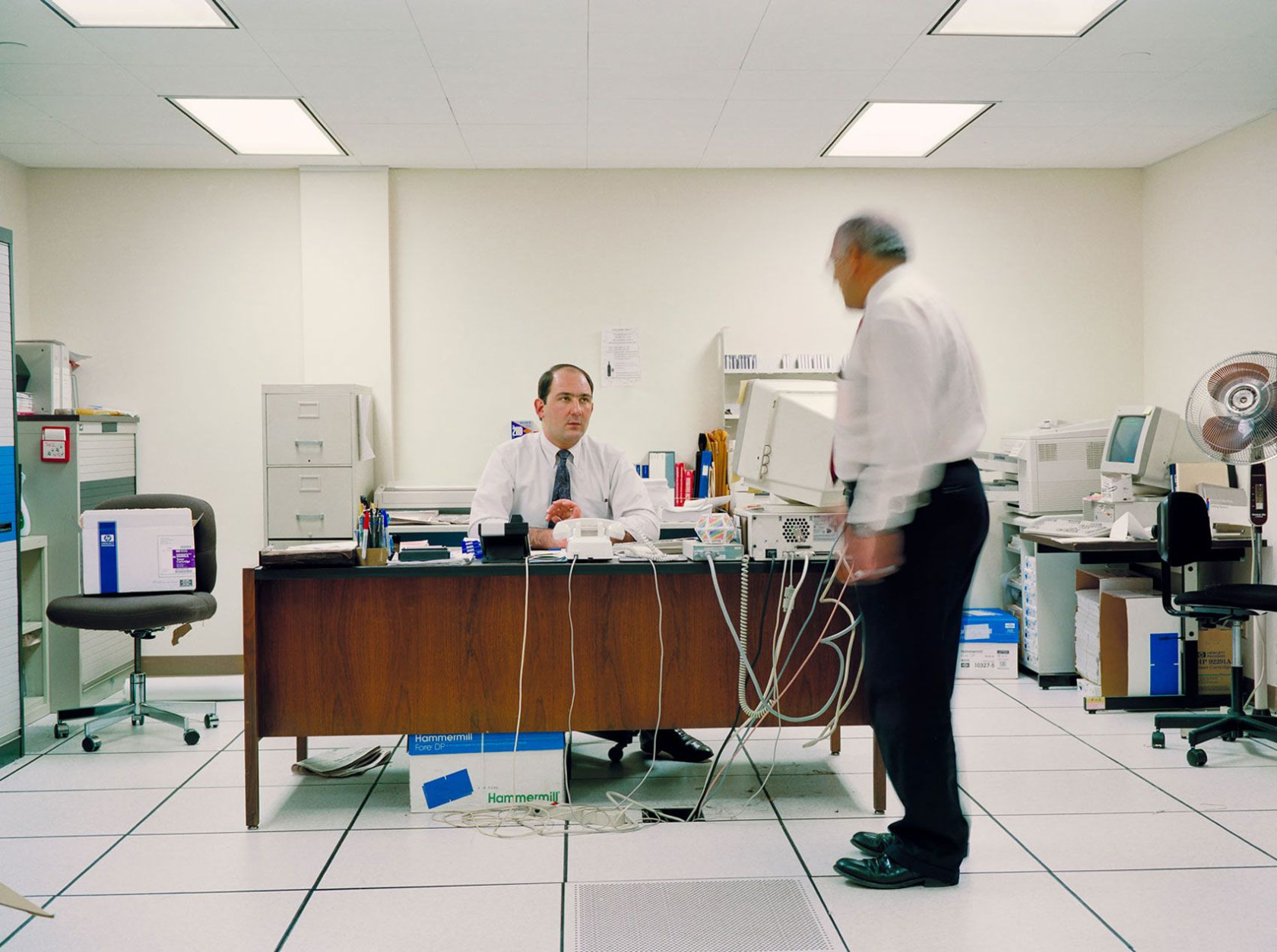](https://hydraulogistics.at/uploads/images/gallery/2025-09/Pb6image.png)
[](https://hydraulogistics.at/uploads/images/gallery/2025-09/gs5image.png)
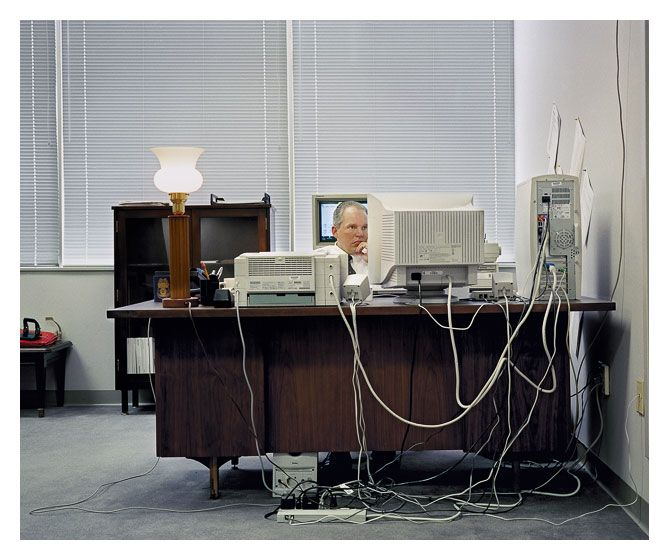
Photos of 90s Offices by Steven Ahlgren
[](https://hydraulogistics.at/uploads/images/gallery/2025-09/FMPimage.png)
Serial Experiments Lain is a Japanese anime television series created and co-produced by Yasuyuki Ueda, written by Chiaki J. Konaka, and directed by Ryūtarō Nakamura. The series follows Lain Iwakura, an adolescent girl in suburban Japan, and her relationship to the Wired, a global communications network similar to the internet.
[](https://hydraulogistics.at/uploads/images/gallery/2025-09/bDPimage.png)
[](https://hydraulogistics.at/uploads/images/gallery/2025-09/z46image.png)
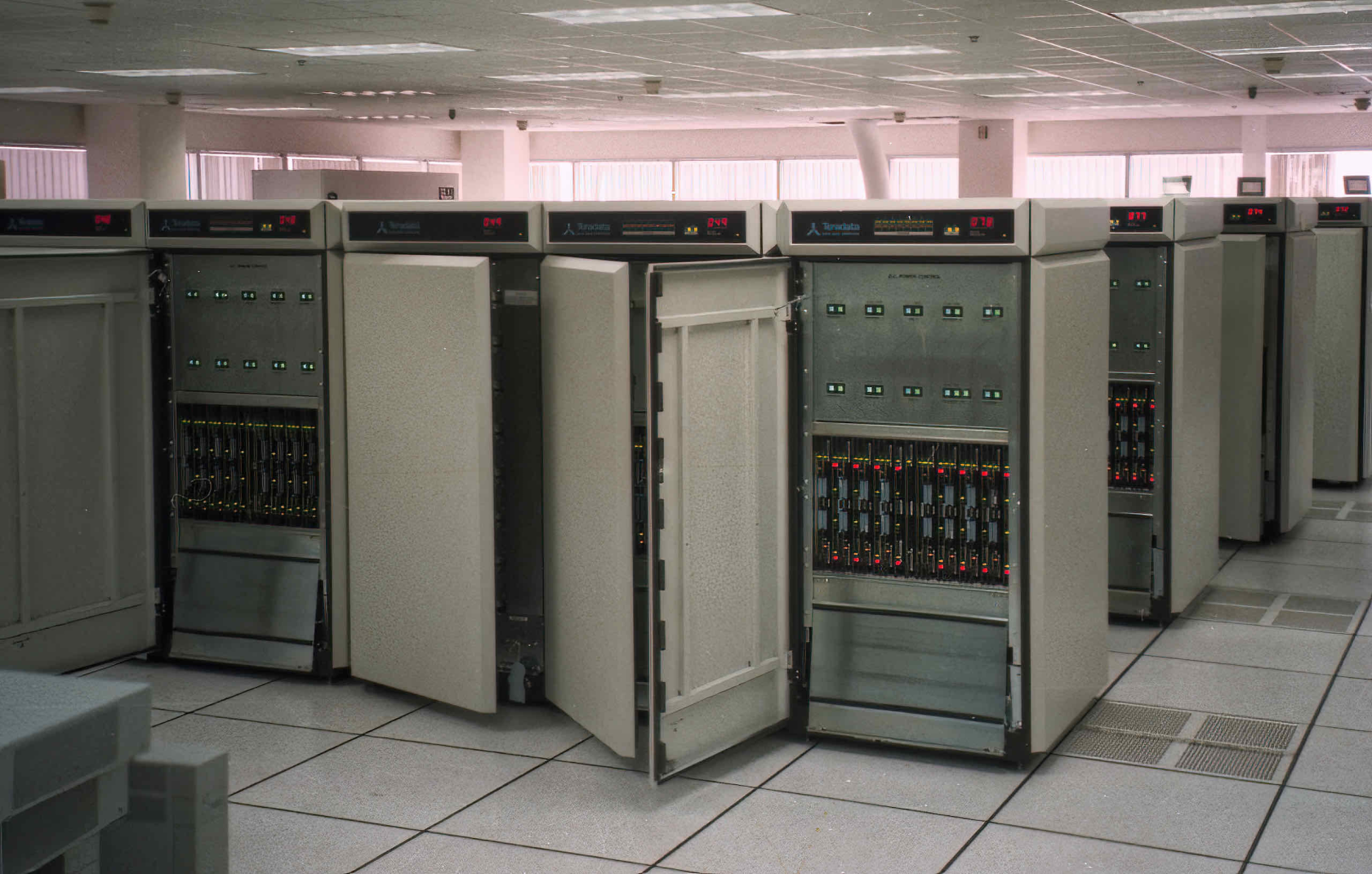
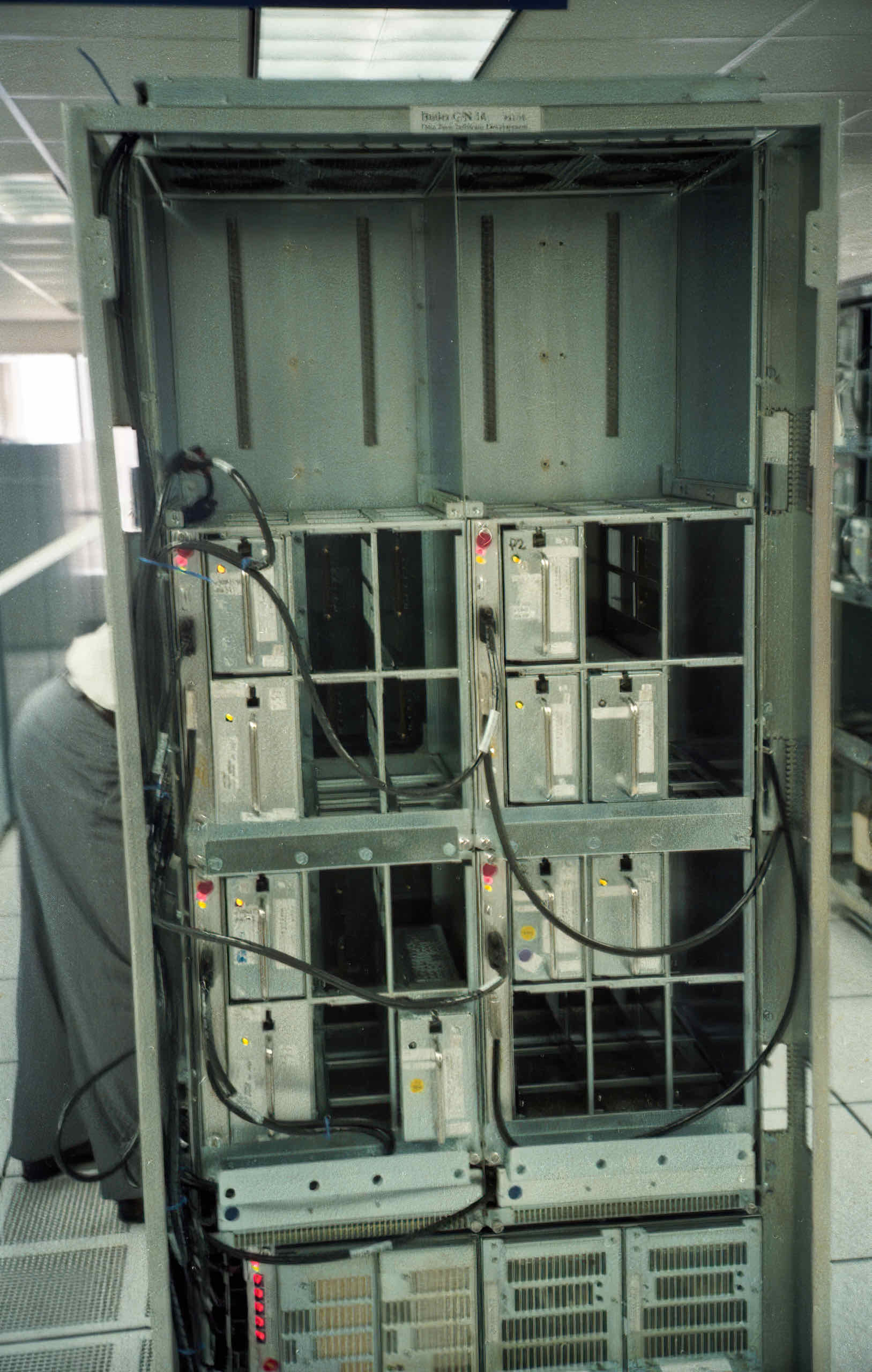
**a data centre located in Los Angeles in the 1990s from Teradata**
[](https://hydraulogistics.at/uploads/images/gallery/2025-09/nrYimage.png)
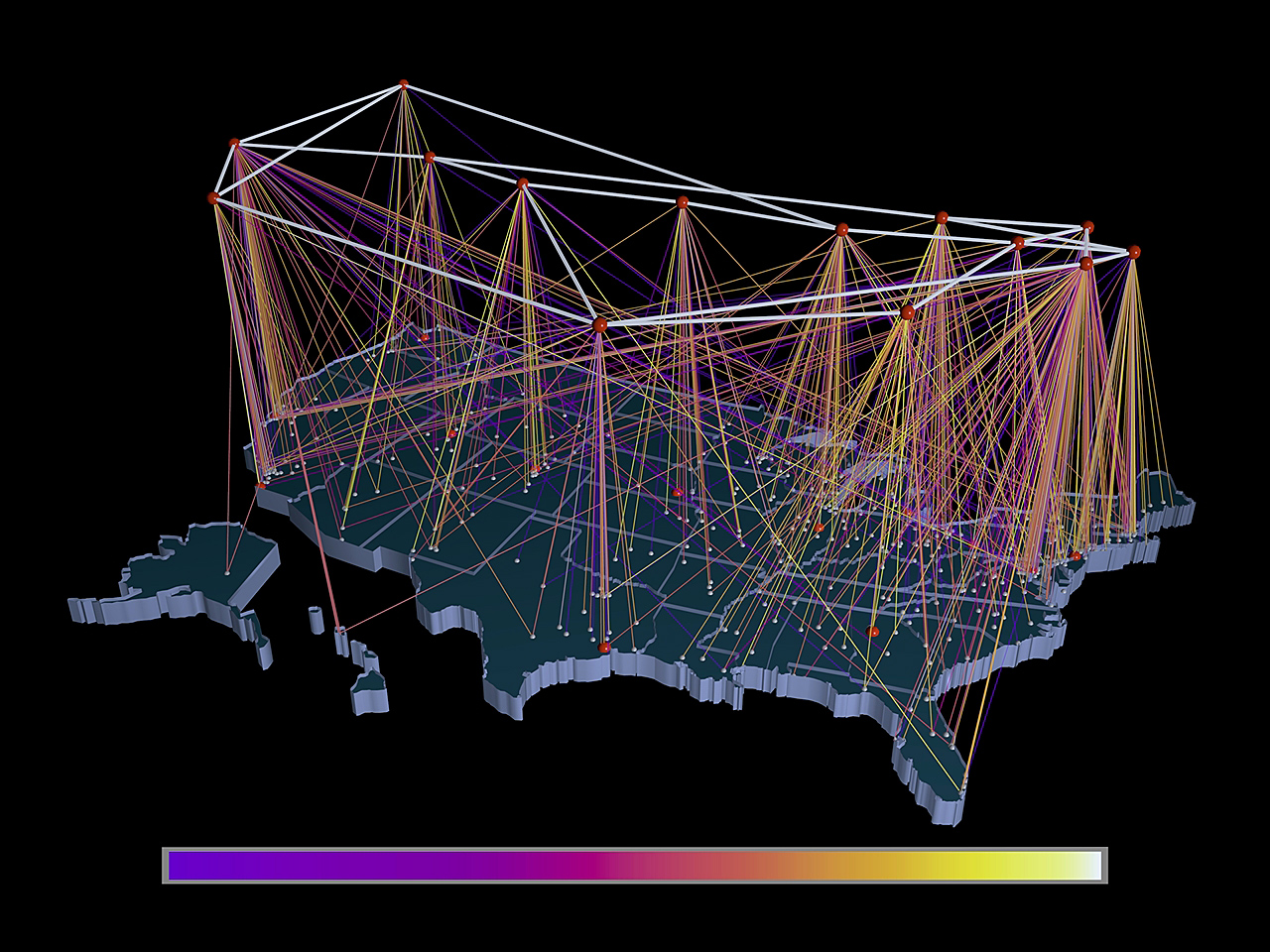
NSFNET Traffic 1991, NSFNET backbone nodes are shown at the top, regional networks below, traffic volume is depicted from purple (zero bytes) to white (100 billion bytes), visualization by NCSA using traffic data provided by the Merit Network.
#### 1990s - scale 3
With substantial personal computers available across the country, the internet became more available as well. As the old ARPANET faded out, NSFNET came to replace the original network as a system to connect various educational and research facilities. The NSFNET would be much more relaxed in comparison to the military-driven ARPANET and allowed more users to connect and even connect to localized networks. The NSFNET paved the way to a model of internet organization, or the organization of a network of networks. The network established a hierarchical model of backbone, from regional to local. It would also firmly establish TCP/IP as a universal protocol. Through its government-funded characteristics, the network provided a framework for a public and potentially global infrastructure. Although NSFNET would be decommissioned in the 1990s, Network Service Providers as private entities arose to replace the job. Although the providers did not form a single backbone, the collective network they formed replaced the function.
NSFNET privatization and Commercial Internet providers
Web & Software Growth
Corporate IT Infrastructure
[](https://hydraulogistics.at/uploads/images/gallery/2025-09/Oe4image.png)
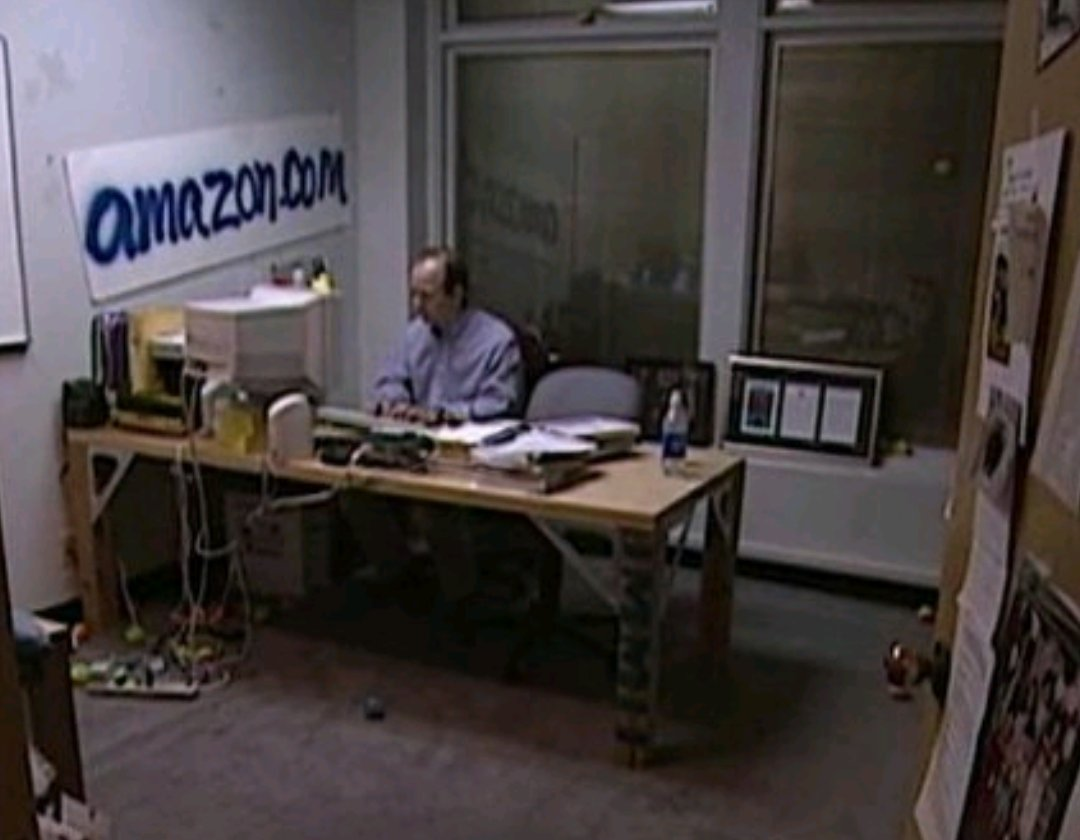
Early Amazon Office
[](https://hydraulogistics.at/uploads/images/gallery/2025-09/YxKimage.png)
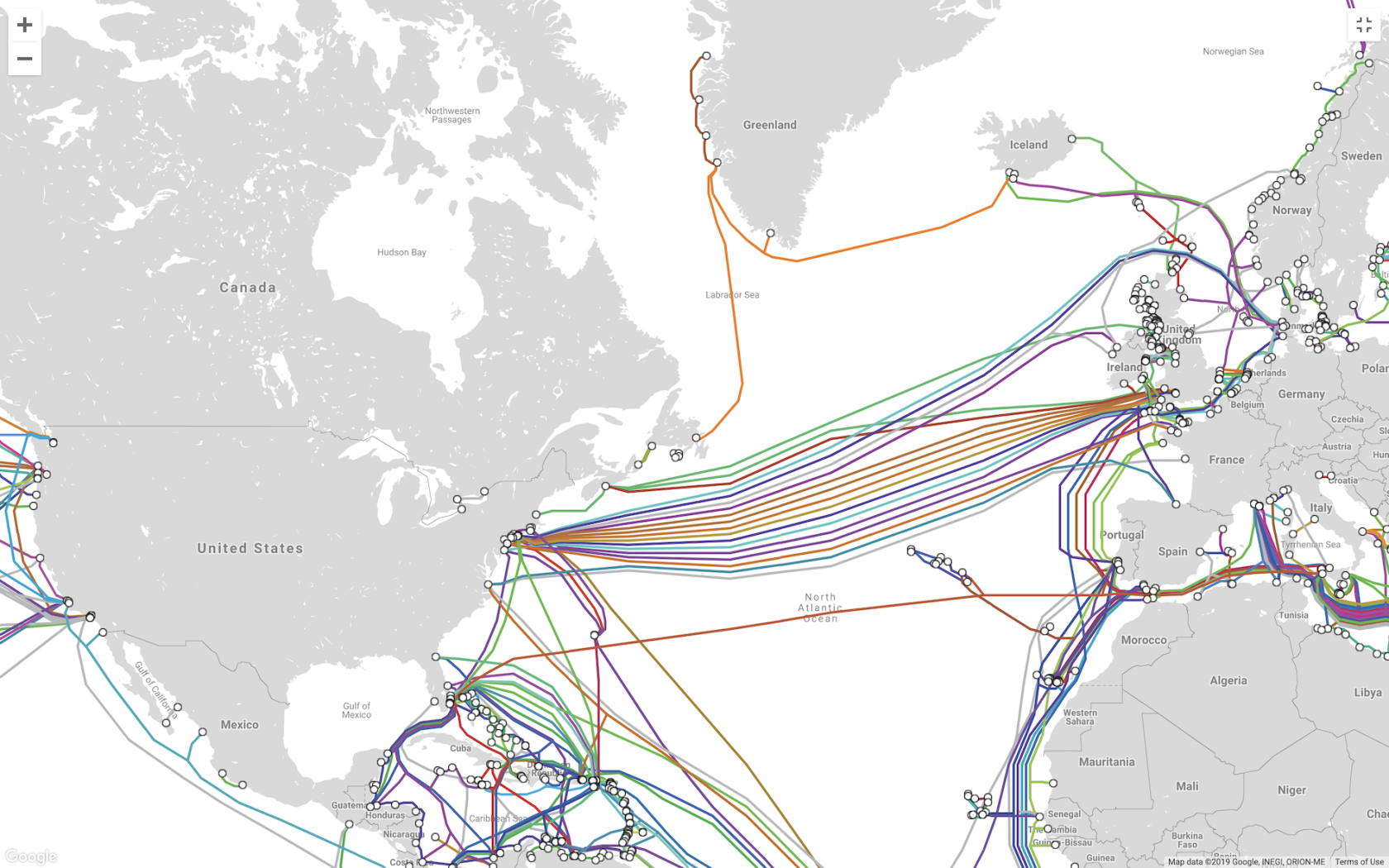
Transatlantic Internet Cables.
[](https://hydraulogistics.at/uploads/images/gallery/2025-09/mX2image.png)
Steve Jobs releasing the iphone in 2007
#### 2000s - scale 4
Building off from the momentum of the 1990s, the further accelerated internet with broader bandwidth allowed the internet to spread almost at the speed at which it transfers its signals. Data Centers rapidly developed to handle the large internet traffic, whether it's web services, e-commerce, or enterprise. Notion of the Cloud also developed with these data centers, with Amazon launching its AWS service in 2006, which will soon be the virtual calculation backbone of the internet. In addition to the convenience, the security of the network itself became a subject of focus in the context of global terrorist activities. One end was to build faster and more efficient internet services, but on the other hand, these services need to be surveilled as well. The release of the iPhone would also provide a gateway to the mobility revolution of the internet.
[](https://hydraulogistics.at/uploads/images/gallery/2025-09/lUSimage.png)
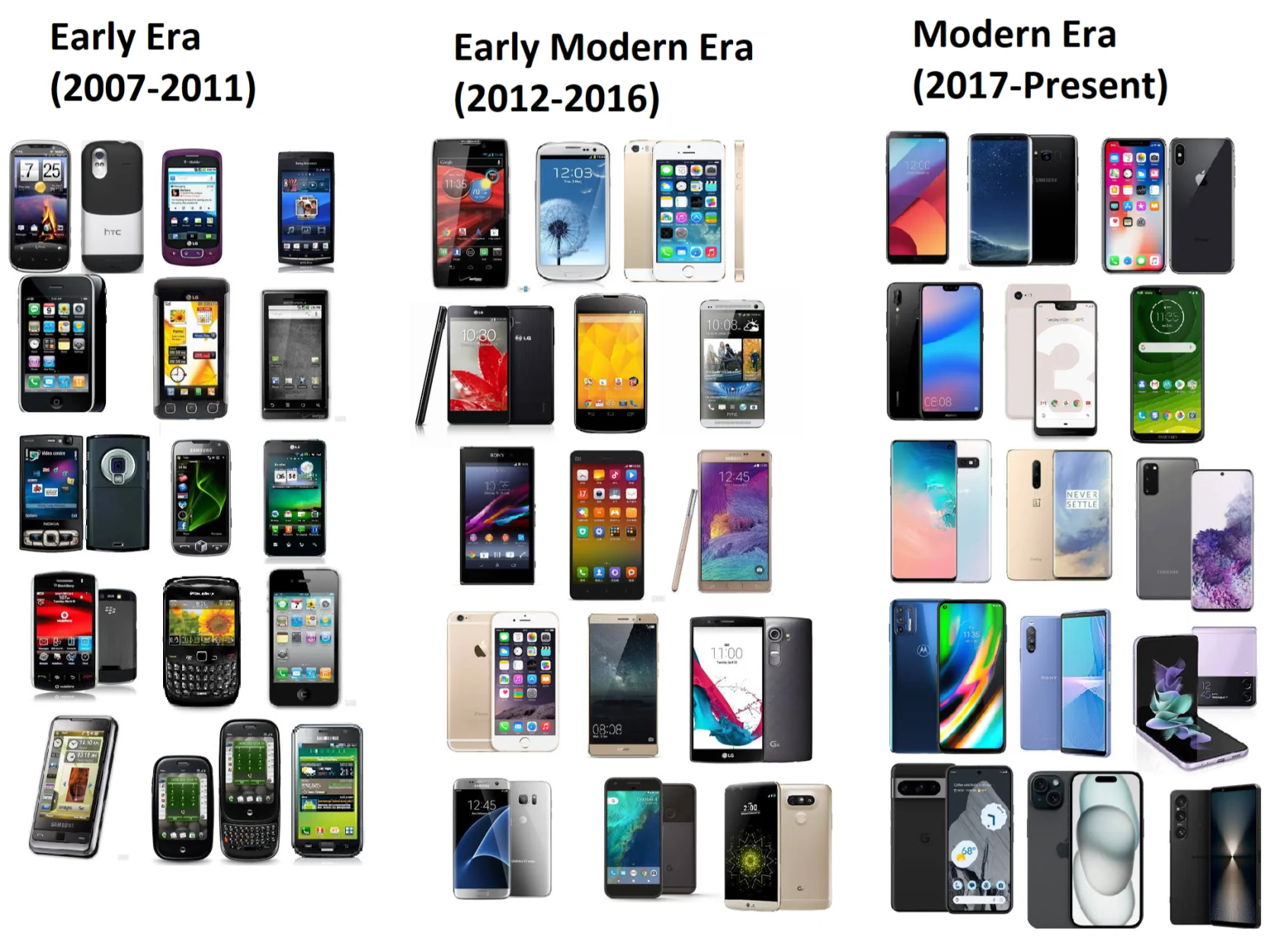
Generation of smart phones from Reddit
[](https://hydraulogistics.at/uploads/images/gallery/2025-09/Puoimage.png)
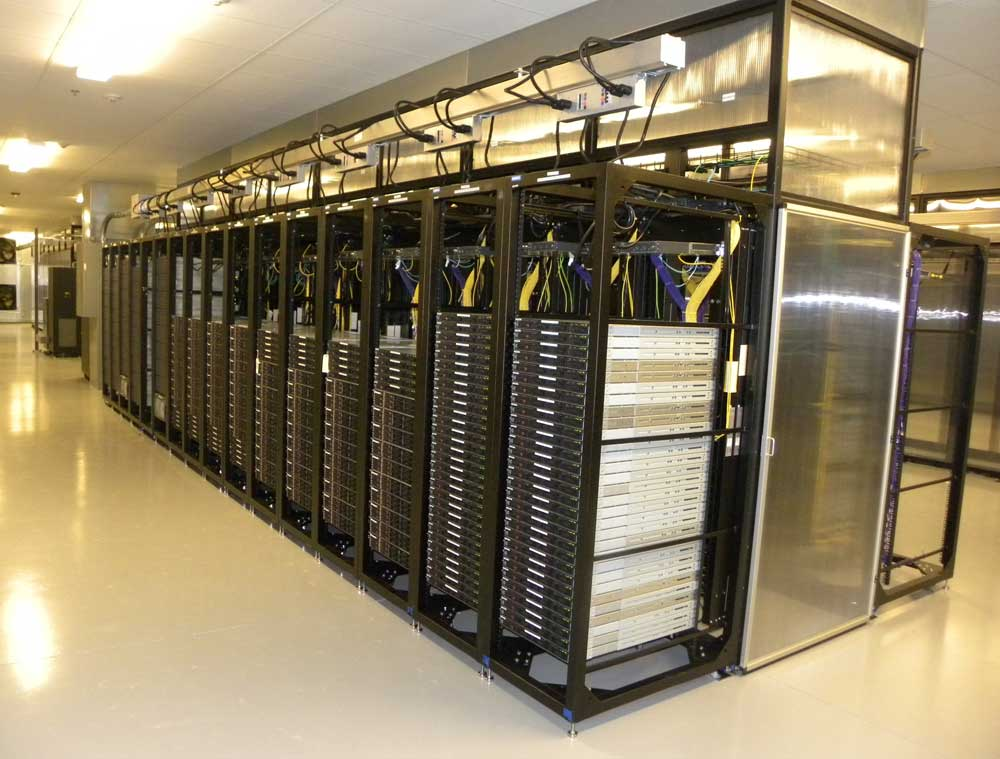
Yahoo's Servers from 2010.
#### 2010s - Scale 5
The smartphone would further enhance the local decentralized nature of the internet. Every person now processes a miniature computer capable of accessing the internet, upscaling the internet's traffic further. The increase in traffic demands more data centers to be built. It is during this time, that the notion of the cloud fully emerged and begin to replace traditional ways of view file storage. The cloud became a vastly accessible infrastructure that can be adapted through software. To support the growth of the internet, internet infrastructure such as fiber optics and signal towers was heavily invested in by governments. At this point, the economic health of a country is simultaneously tied to the internet itself.
# Additional Archive
[](https://hydraulogistics.at/uploads/images/gallery/2025-09/kwdimage.png)[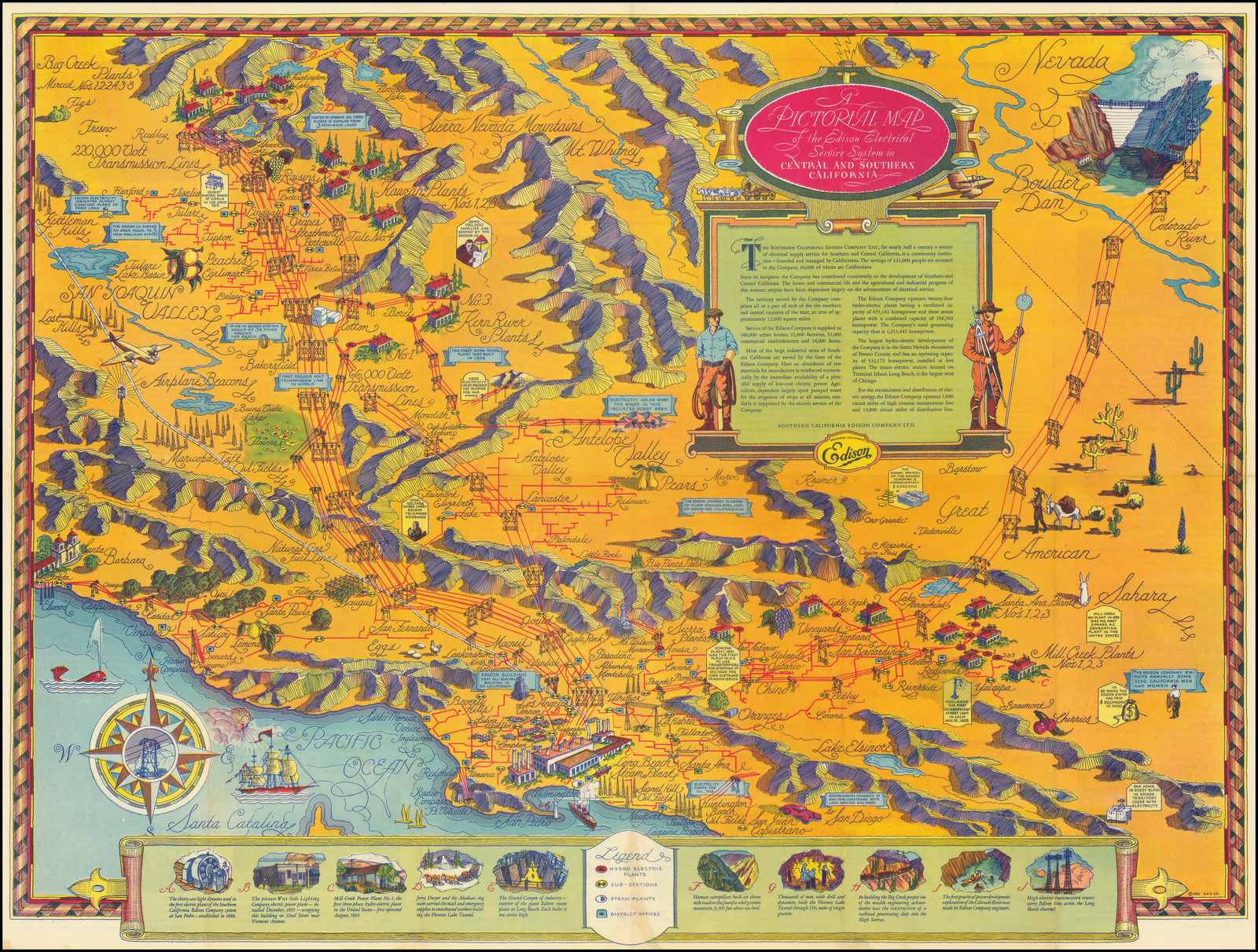](https://hydraulogistics.at/uploads/images/gallery/2025-09/YNgimage.png)
[](https://hydraulogistics.at/uploads/images/gallery/2025-09/cuximage.png)
# Current Systems
#### Power Generation and Transmission
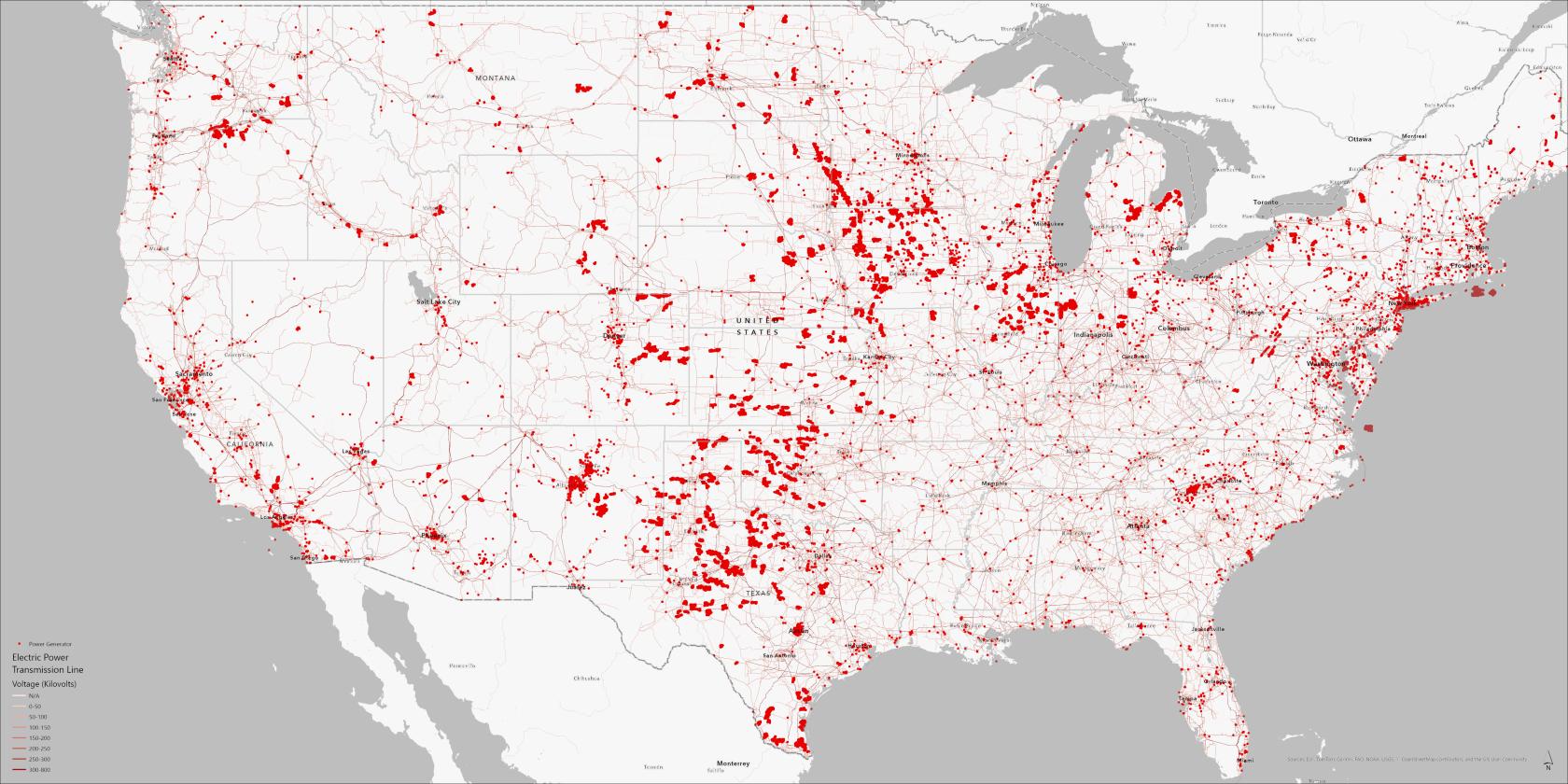
Where does most of the power come from?
[](https://hydraulogistics.at/uploads/images/gallery/2025-09/layout.jpg)
#### Maintenance of Power System
Who facilitates these systems of power and network, and who maintains them?
[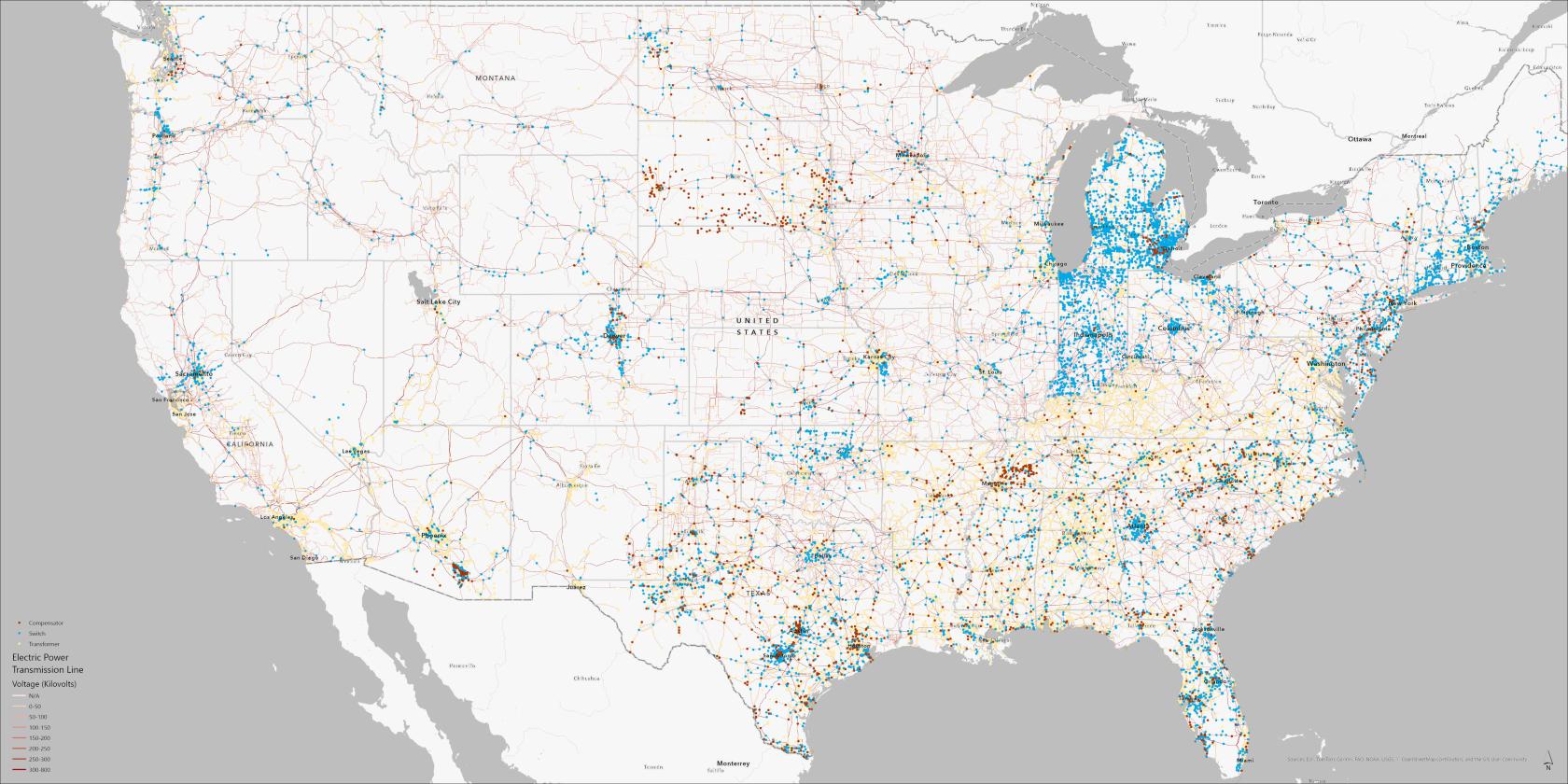](https://hydraulogistics.at/uploads/images/gallery/2025-09/layout02.jpg)
#### Electricity, Fiber Optics, and Datacenter
[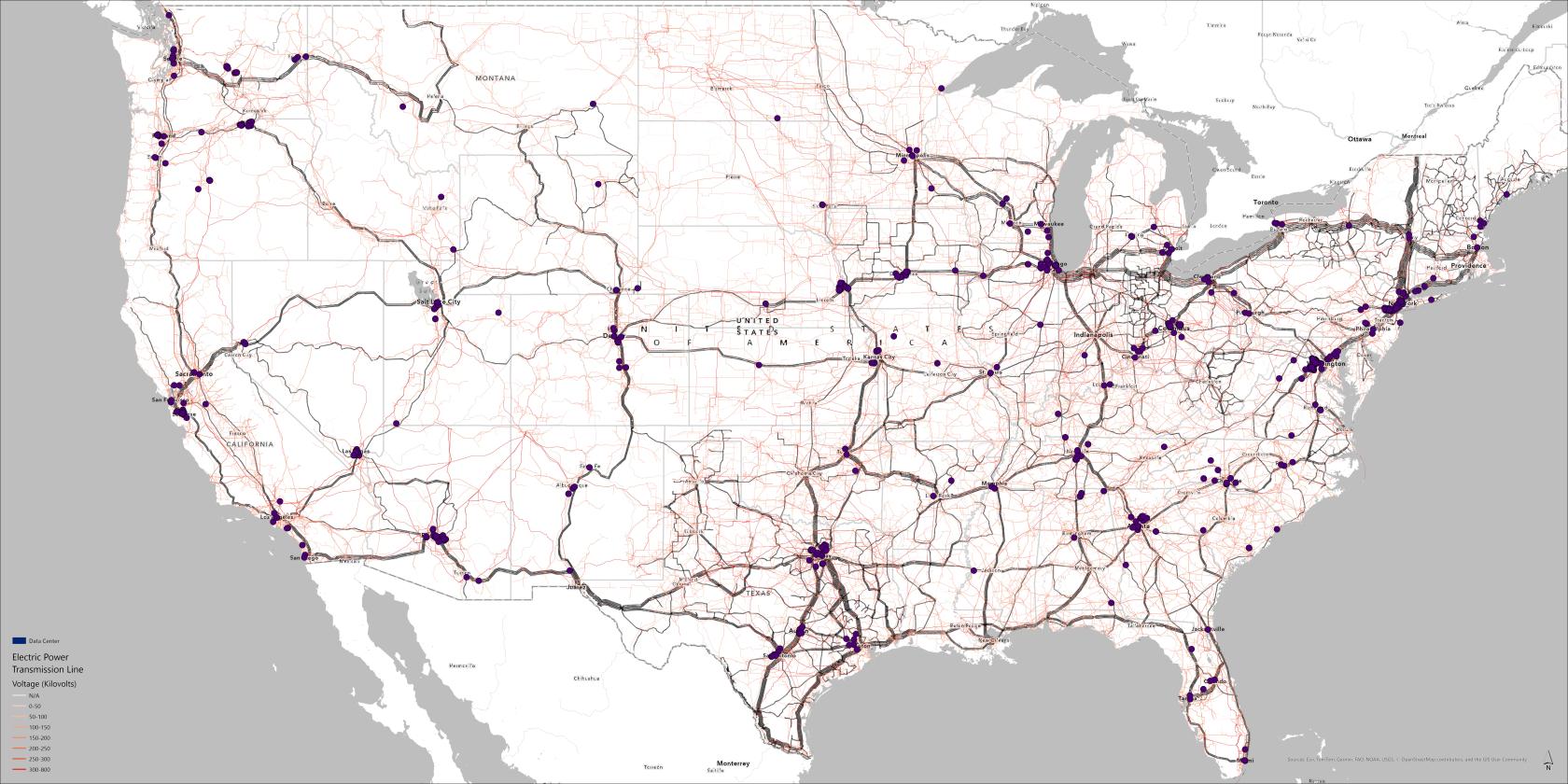](https://hydraulogistics.at/uploads/images/gallery/2025-09/7aglayout04.jpg)
#### Network Transmission "Ownership"
[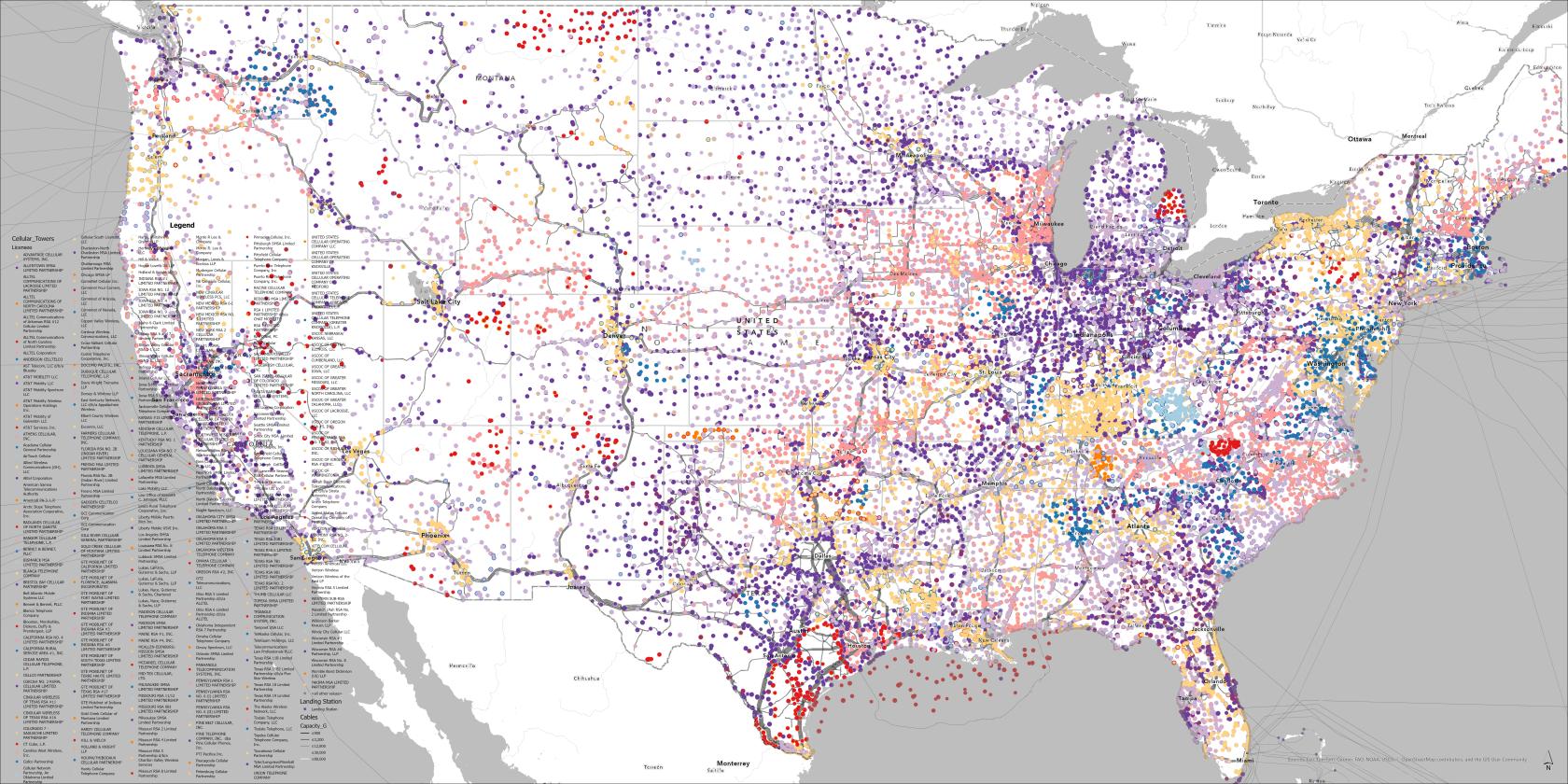](https://hydraulogistics.at/uploads/images/gallery/2025-09/layout6.jpg)
#### Network Accessibility and Data Center
How do data center locations have a relation to network accessibility, and how do these combined shape the geographical condition of the data center?
[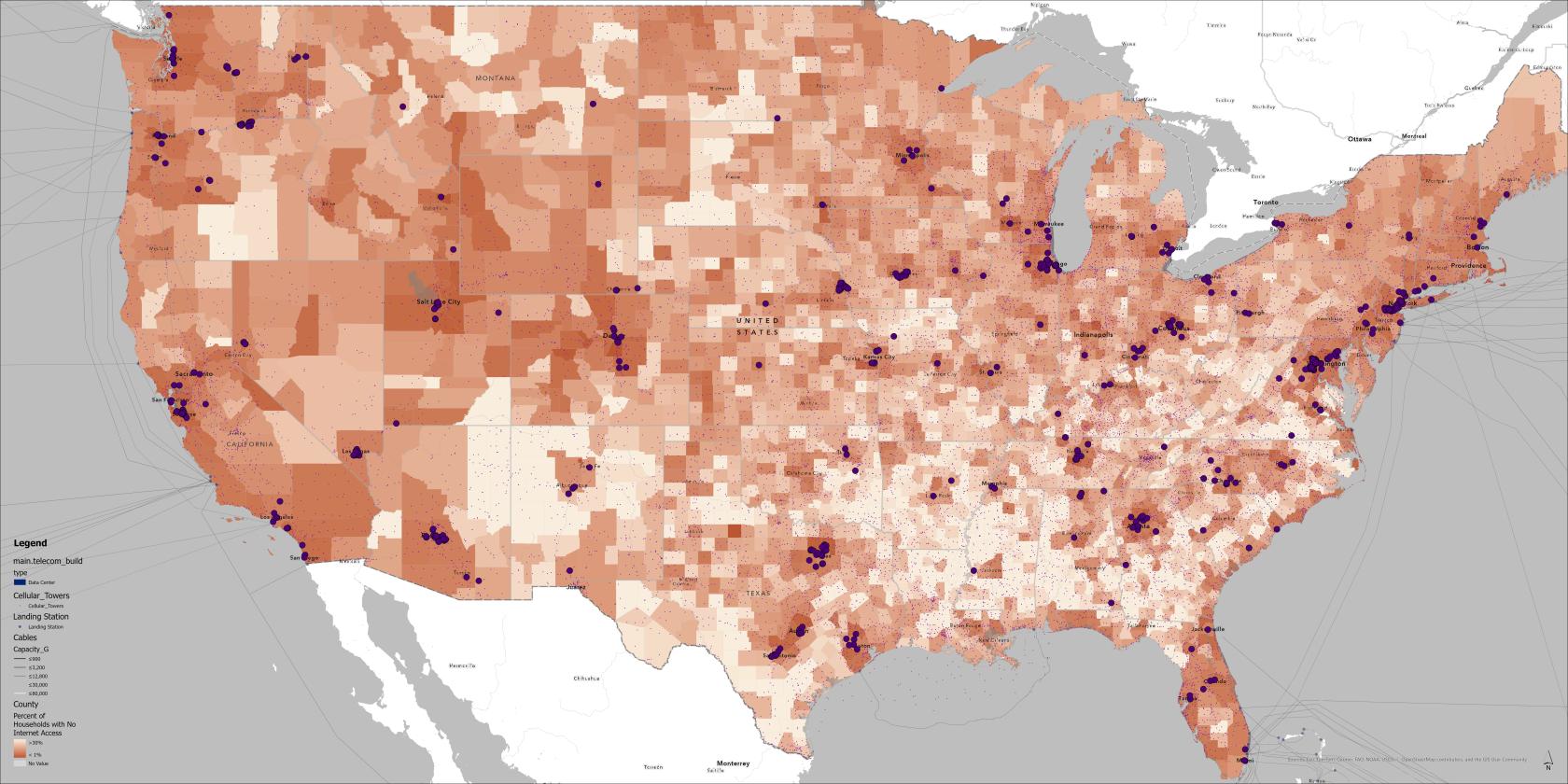](https://hydraulogistics.at/uploads/images/gallery/2025-09/layout8.jpg)
# Current Trends of Development
#### Emphasis on Mobility
Microchips have downsized from hundreds of nanometers in the 1970s to the cutting-edge 2 nm today through decades of advances in manufacturing and design rather than a single “miracle.” This was driven by photolithography improvements—most recently extreme ultraviolet (EUV) lithography—that allow finer patterns to be etched onto silicon, along with new transistor architectures such as FinFETs and now Gate-All-Around nanosheets that prevent current leakage at atomic scales. Engineers also adopted new materials like high-k dielectrics, optimized chip layouts using advanced software, and began stacking components in 3D to pack more transistors into the same space.
#### Edge Computing
Moore’s Law, the principle that transistor density doubles every two years, fueled dramatic improvements in chip efficiency and speed from the 1960s through the 2010s.
#### AI
GPUs, originally designed for graphics, are now widely used for training AI models. FPGAs, which can be reconfigured after fabrication, and ASICs, which are hardwired for specific algorithms, are increasingly used for inference tasks. Each type has different trade-offs in efficiency, flexibility, and speed. Benchmarking studies show that AI chips can be 10 to 1,000 times faster and more efficient than CPUs, depending on the application, with ASICs offering the highest specialization.
#### Digital divide
U.S. companies dominate chip design, while Taiwan and South Korea lead in fabrication and the Netherlands, Japan, and the United States lead in manufacturing equipment. China, by contrast, remains behind in GPUs and FPGAs and has only begun making progress in AI ASICs. Many Chinese firms still rely on U.S. software and Taiwanese fabrication.
,
#### Future Developments
Quantum Computing
Decentralization
Speed
Connectivity
# AI Eletrical Infrastructure
[](https://hydraulogistics.at/uploads/images/gallery/2025-09/BG2image.png)
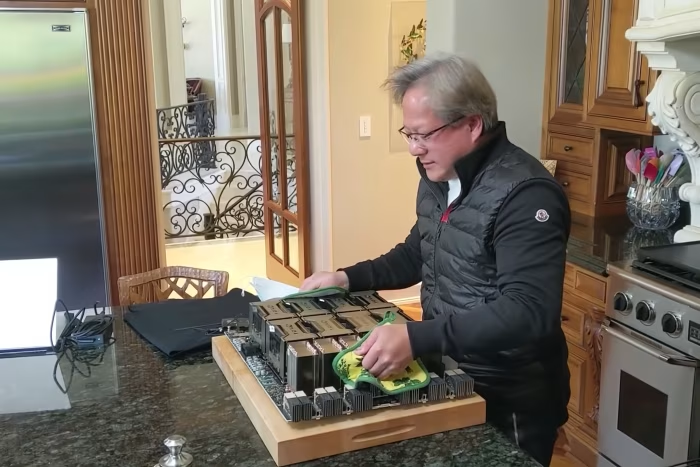
Jensen Huang presenting Nivida GPUs
[](https://hydraulogistics.at/uploads/images/gallery/2025-09/mqLimage.png)
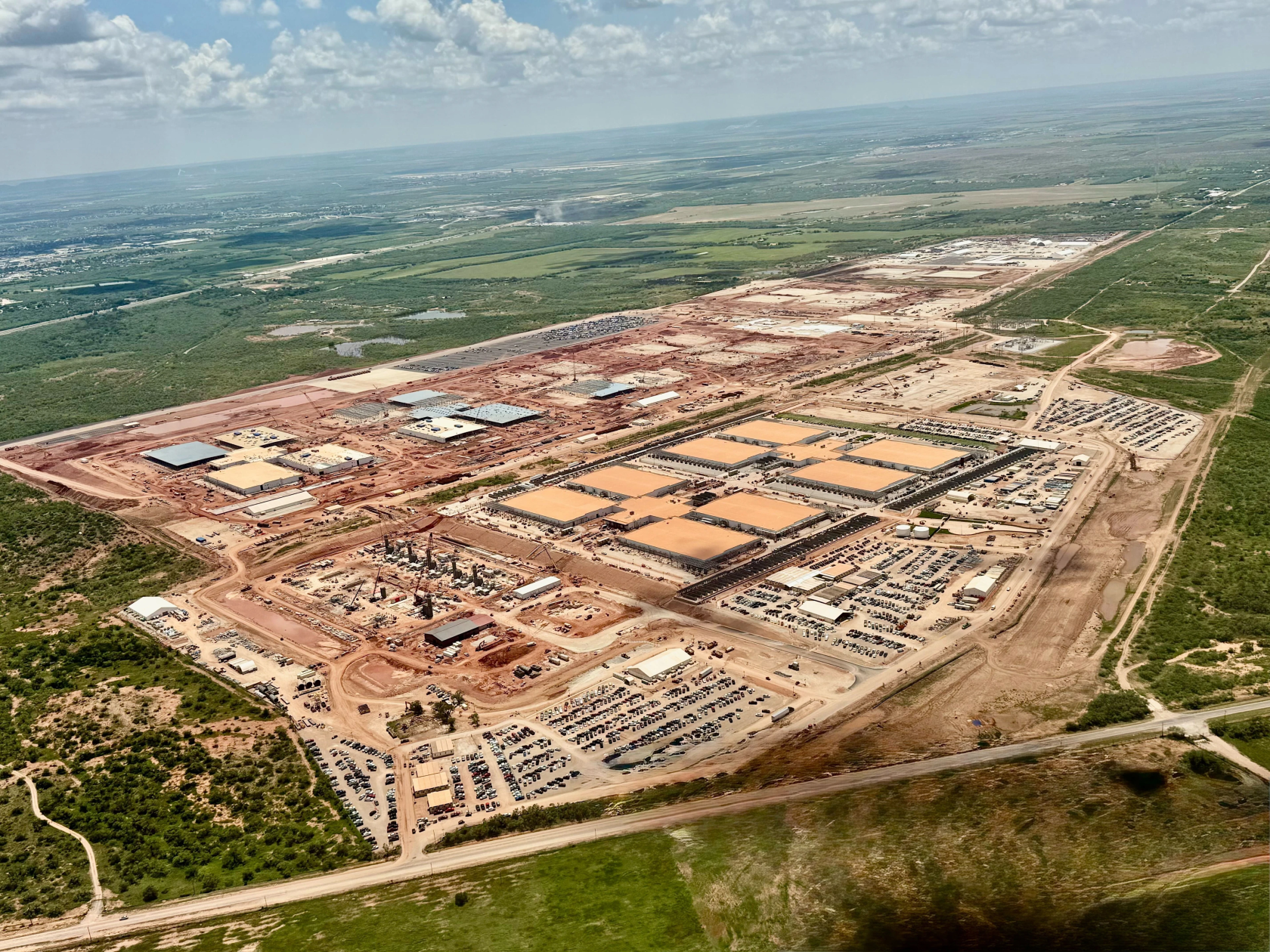
OpenAI, Oracle deepen AI data center push with 4.5 gigawatt Stargate expansion
[](https://hydraulogistics.at/uploads/images/gallery/2025-09/DmBimage.png)
Meta Data Center
#### AI Data Center as a separate typology
The rise of artificial intelligence has given the data center a new architectural role, no longer a generalized container for computation but a specialized typology. Unlike traditional facilities that hosted mixed workloads, AI data centers are configured around dense racks of accelerators, specialized interconnects, and extensive cooling systems. Their layouts increasingly diverge from conventional office or cloud architectures, instead resembling industrial-scale plants built to sustain relentless parallel computation. In this sense, the AI data center emerges not merely as an evolution of the server farm, but as an entirely distinct species of infrastructure—one that reflects the demands of training models across billions of parameters.
#### AI Computing Chips
Just as the vacuum tube and transistor once marked decisive shifts in the trajectory of computing, the development of AI-specific chips signals a structural change in the electrical underpinnings of computation. Graphics Processing Units (GPUs), originally designed for rendering images, became the unexpected cornerstone of machine learning, later joined by Tensor Processing Units (TPUs) and other domain-specific accelerators. These chips are designed to maximize throughput in matrix multiplication and parallel operations, allowing AI models to scale where general-purpose CPUs cannot. Their power density and thermal output, however, reshape the very design of electrical distribution within computing facilities, tying the chip’s evolution inseparably to the infrastructures that sustain it.
#### Power Consumption
With AI workloads, electricity emerges as the defining constraint and measure of possibility. Training a frontier-scale model consumes megawatt-level power, placing data centers in direct competition with cities and heavy industries for electrical capacity. Whereas early computers of the 1950s demanded cooling rooms and dedicated lines, AI infrastructure requires regional-scale energy planning, pushing utilities and governments to reckon with demand spikes unseen in prior waves of digitalization. The electrical appetite of AI reframes computation not as an abstract process in silicon, but as a physical industry embedded in grids, power markets, and environmental limits.
[https://www.nytimes.com/interactive/2025/03/16/technology/ai-data-centers.html](https://www.nytimes.com/interactive/2025/03/16/technology/ai-data-centers.html)
# Network Security
[](https://hydraulogistics.at/uploads/images/gallery/2025-09/0Sgimage.png)
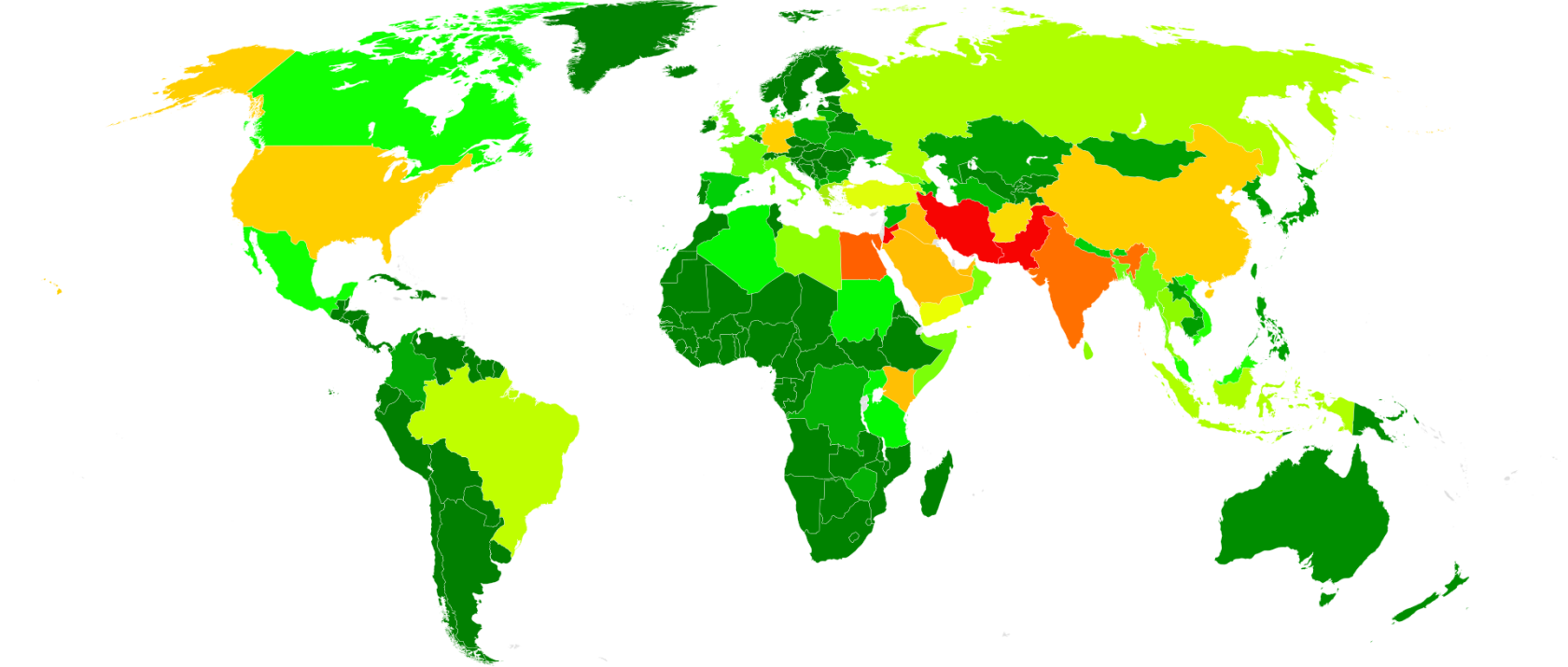
Recreation of a boundless information global heat map of data collection from a snapshot of 2007 data. The color scheme ranges from green (least subjected to surveillance by the NSA) through yellow and orange to red (most surveillance by the NSA).
[](https://hydraulogistics.at/uploads/images/gallery/2025-09/map5.jpg)
[](https://hydraulogistics.at/uploads/images/gallery/2025-09/Kyyimage.png)
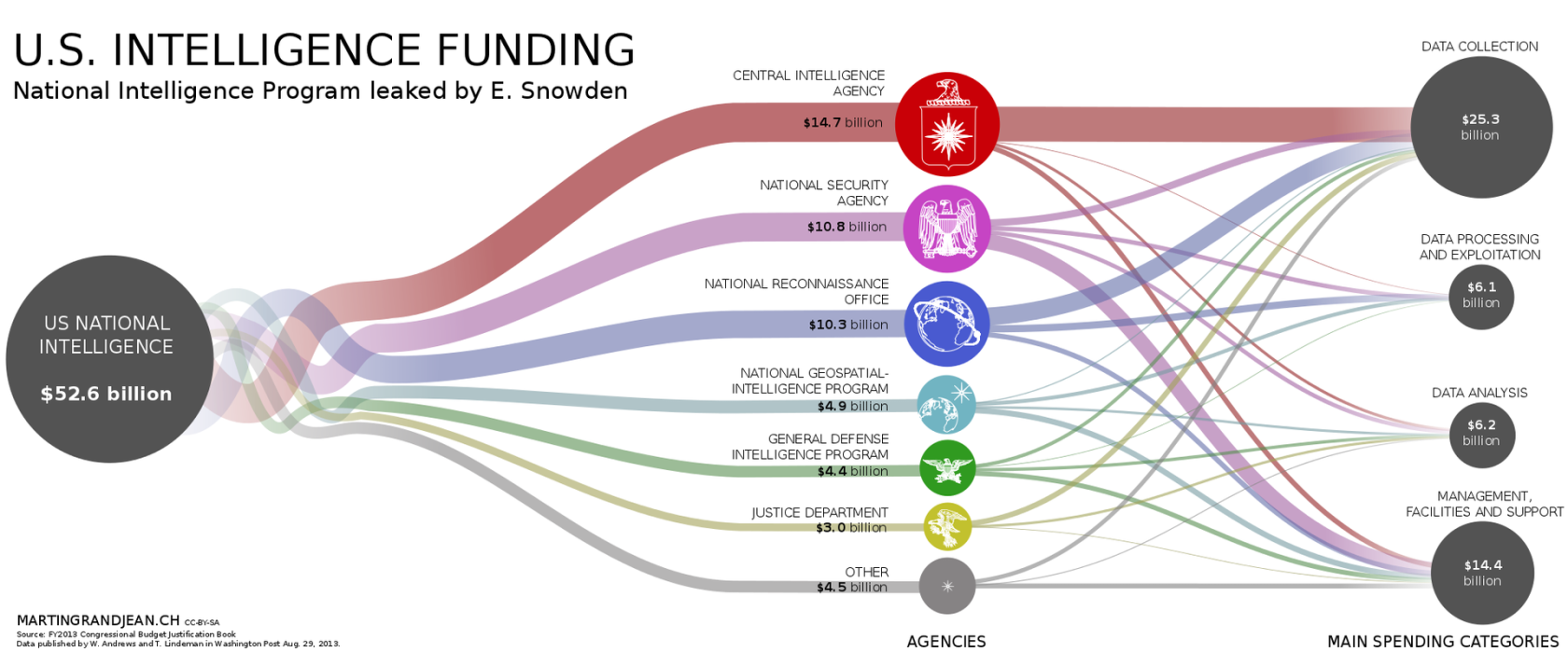
Data visualization of U.S. intelligence black budget (2013)
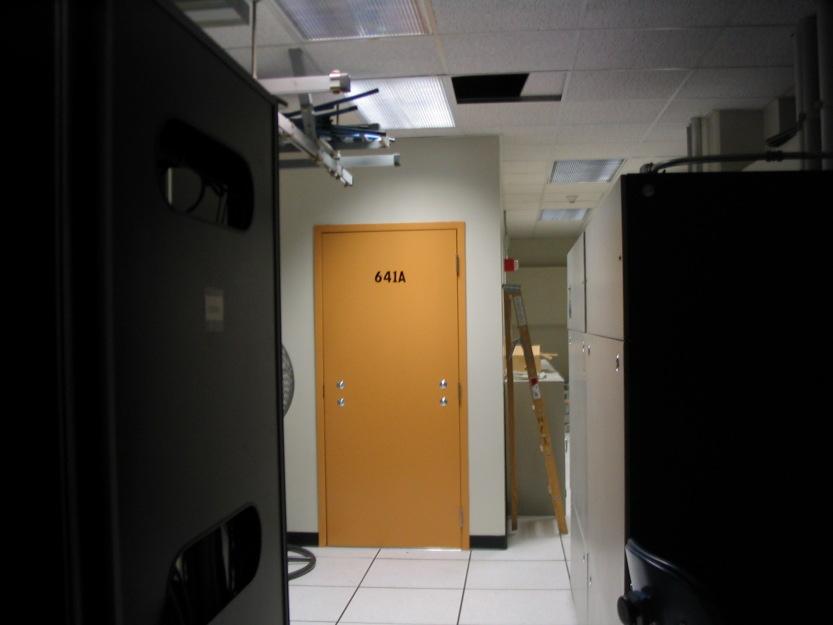
#### Room 641A
[](https://hydraulogistics.at/uploads/images/gallery/2025-09/room-641a-exterior.jpg)
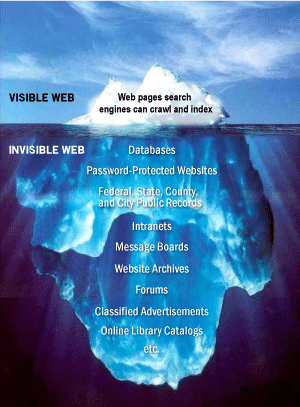
#### Invisibility
[](https://hydraulogistics.at/uploads/images/gallery/2025-09/visible-web.png)
####
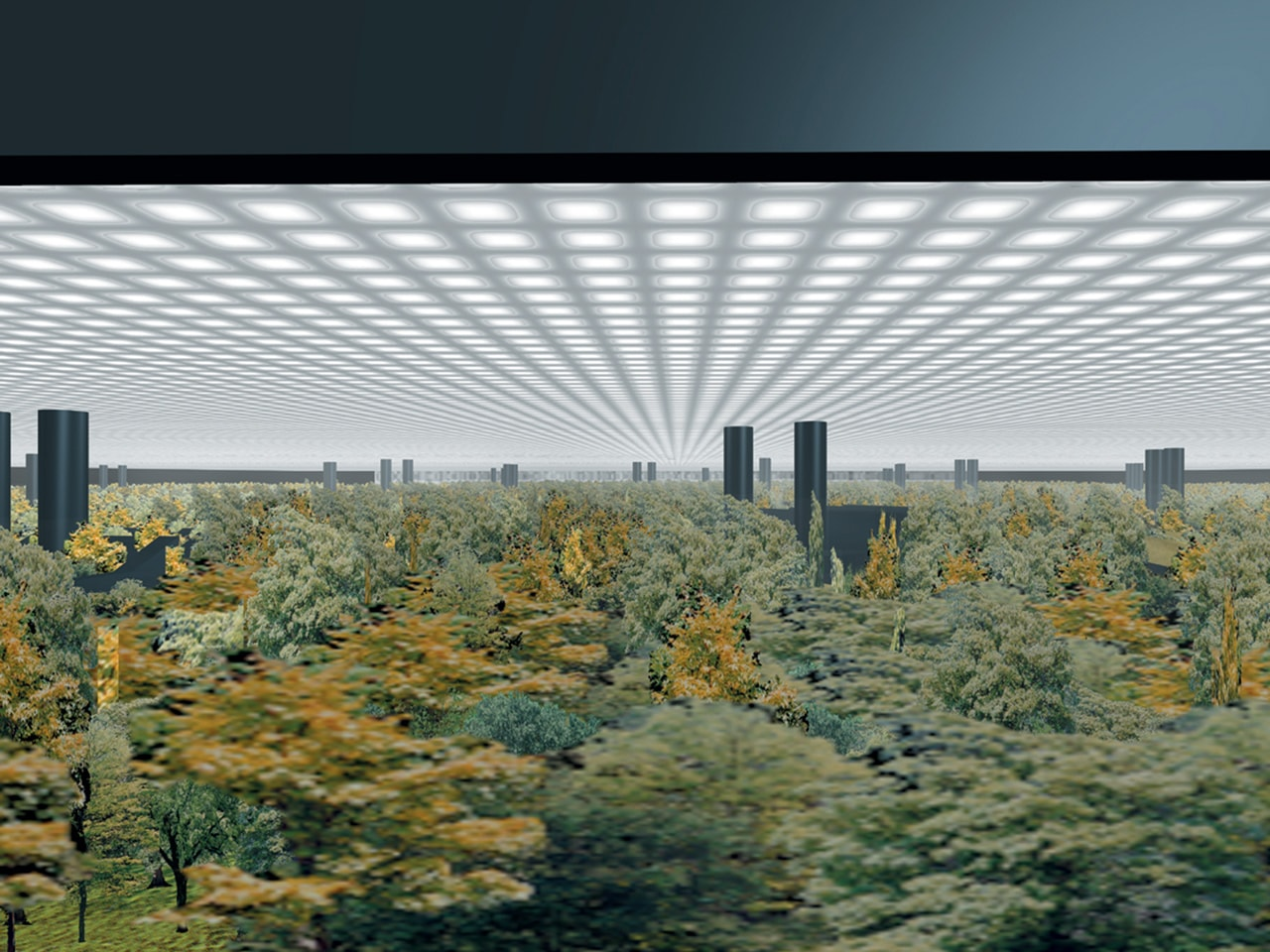
# XXXL and Facilitators of Flow
[](https://hydraulogistics.at/uploads/images/gallery/2025-09/mDEimage.png)
[](https://hydraulogistics.at/uploads/images/gallery/2025-09/5r5muk4swwqmhucrecttvk.jpg)
[](https://hydraulogistics.at/uploads/images/gallery/2025-09/nMHmodular-data-center2-1200x621.jpg)
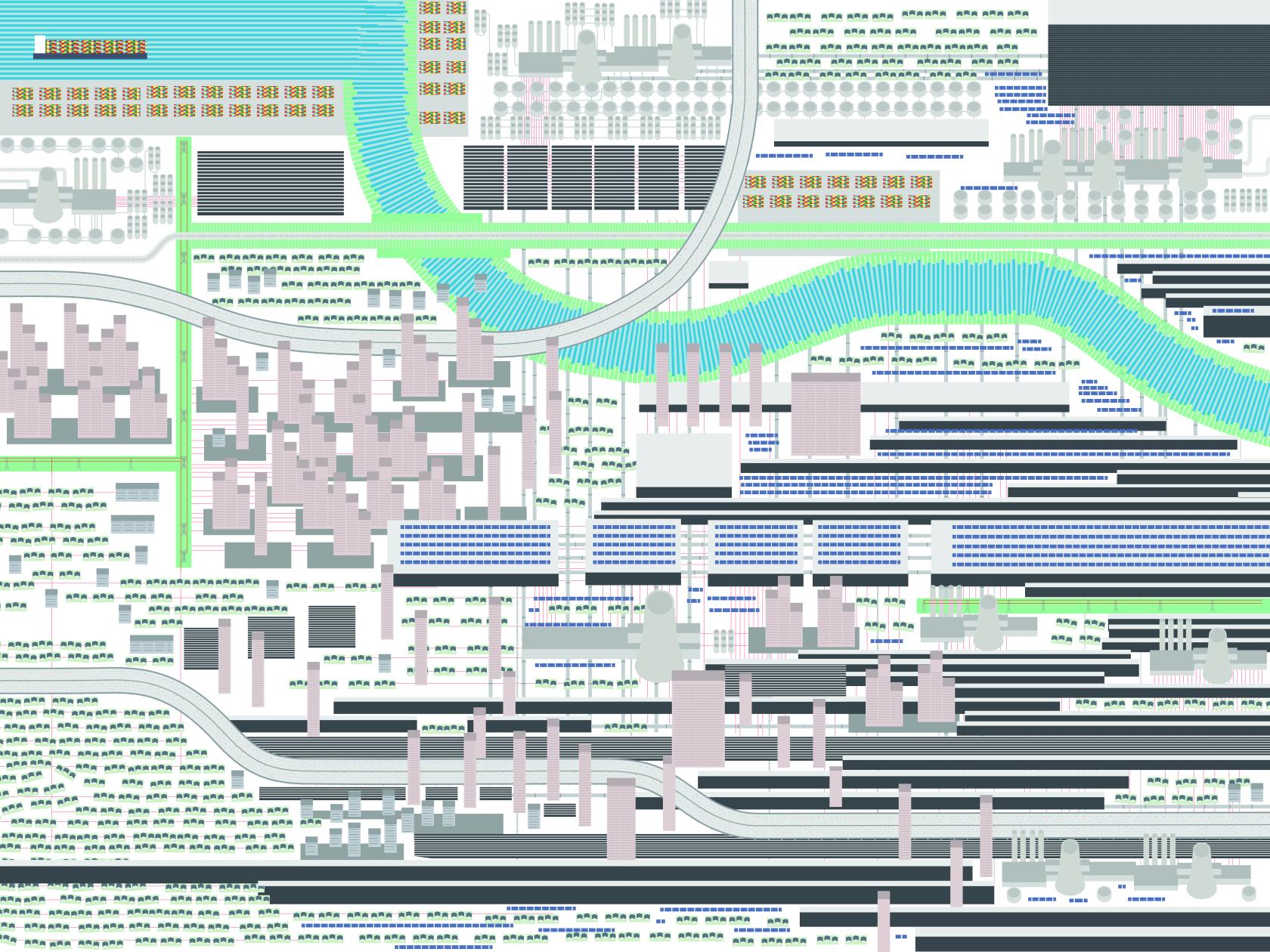
# Thesis Drawing
[](https://hydraulogistics.at/uploads/images/gallery/2025-09/scaled-1680-/drawing-1-draft-3.jpg)