# Innovations

# Overview of Innovations

[![innovations.png](https://hydraulogistics.at/uploads/images/gallery/2025-09/scaled-1680-/NAninnovations.png)](https://hydraulogistics.at/uploads/images/gallery/2025-09/scaled-1680-/NAninnovations.png)

<span style="white-space: pre-wrap;">Within this larger timeline of innovations and events, there are 3 main stories of development. </span>

1. <span style="white-space: pre-wrap;"> </span>[What materials connects us? Understanding cables and the physical networks these create within our landscape.](https://hydraulogistics.at/books/history-of-telecommunication/page/material-of-data-and-optimization-of-cables "Material of Data and Optimization of Cables")
2. <span style="white-space: pre-wrap;"> </span>[What are the technologies that connected us globally? Understanding the development of satellites.](https://hydraulogistics.at/books/history-of-telecommunication/page/satellite-gps "Satellite & GPS")
3. <span style="white-space: pre-wrap;"> </span>[What technologies connect us at a smaller scale? Understanding the standardization protocols of the internet.](https://hydraulogistics.at/books/history-of-telecommunication/page/internet-technologies "Internet Technologies")

# Material of Data and Optimization of Cables

![Cable Material.png](https://hydraulogistics.at/uploads/images/gallery/2025-09/scaled-1680-/cable-material.png)<span style="color: rgb(0, 0, 0); white-space: pre-wrap;">1816 - </span>**Copper wires**<span style="color: rgb(0, 0, 0); white-space: pre-wrap;"> were first used underground to relay a telegraph; copper is good electric conductor</span>

<table id="bkmrk-1881---utp-%28unshield"><colgroup><col style="width: 240px;"></col><col style="width: 240px;"></col></colgroup><tbody><tr><td>[![UTP.png](https://hydraulogistics.at/uploads/images/gallery/2025-09/scaled-1680-/utp.png)](https://hydraulogistics.at/uploads/images/gallery/2025-09/scaled-1680-/utp.png)

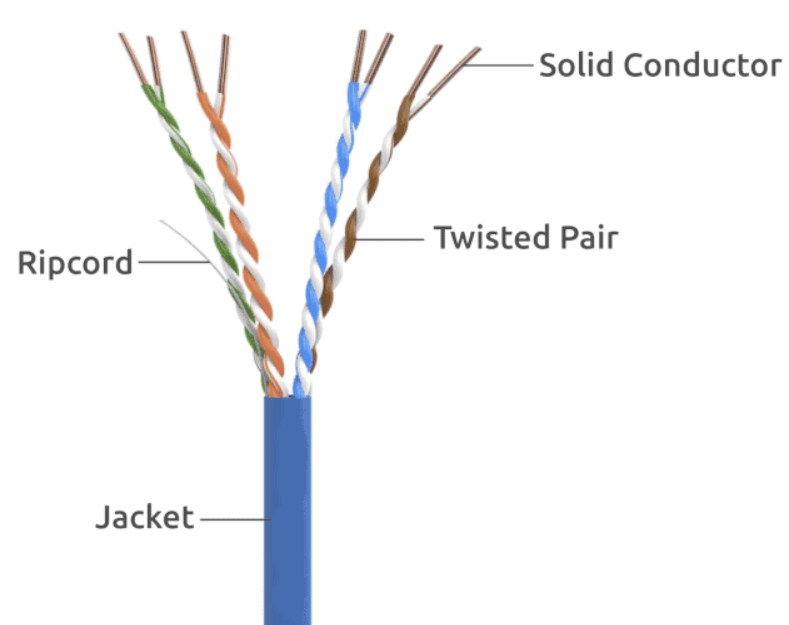
</td><td><span style="color: rgb(0, 0, 0); white-space: pre-wrap;">1881 - </span>**UTP (Unshielded Twisted Pair)**<span style="color: rgb(0, 0, 0); white-space: pre-wrap;"> is the most common &amp; inexpensive cable used in LANs (local area networks); used in ethernet &amp; telephone lines.</span>

</td></tr></tbody></table>

<span style="color: rgb(0, 0, 0); white-space: pre-wrap;">1929 - </span>**Coaxial cables**<span style="color: rgb(0, 0, 0); white-space: pre-wrap;"> include a central wire that carries the signal. The wire is protected by braided metal guard, often made of copper. Made using twisted copper wires &amp; plastic polymer (polyethylene) outer jacket.</span>

<table id="bkmrk-1970---fiber-optic-c"><colgroup><col style="width: 240px;"></col><col style="width: 240px;"></col></colgroup><tbody><tr><td>[![Fiber Optic.png](https://hydraulogistics.at/uploads/images/gallery/2025-09/scaled-1680-/fiber-optic.png)](https://hydraulogistics.at/uploads/images/gallery/2025-09/scaled-1680-/fiber-optic.png)

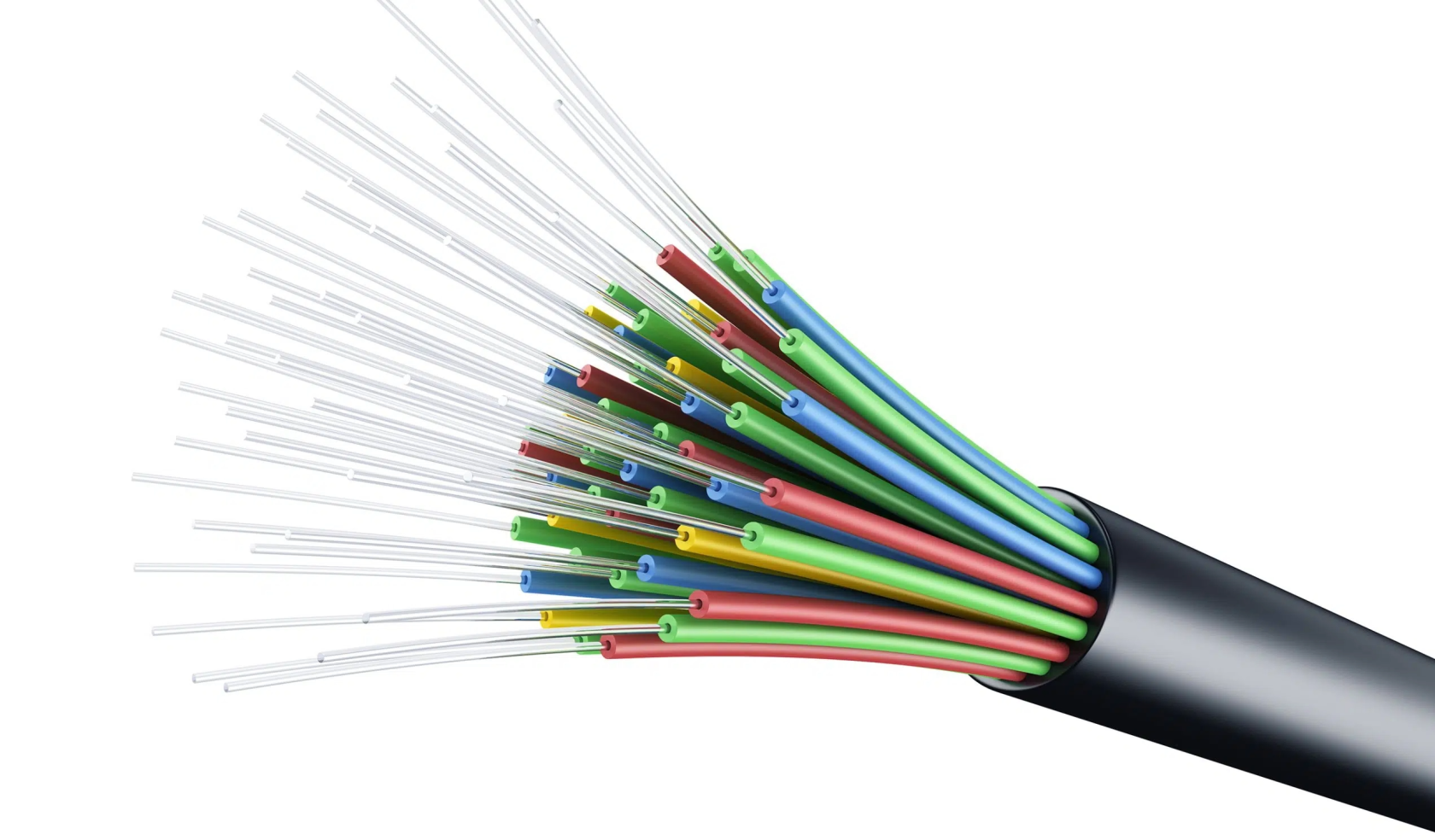
</td><td><span style="color: rgb(0, 0, 0); white-space: pre-wrap;">1970 - </span>**Fiber optic cables**<span style="color: rgb(0, 0, 0); white-space: pre-wrap;"> began to have widespread usability in telecommunications. They were able to carry signals greater distance than copper &amp; are now widely used in high-speed internet &amp; telecom as well as data centers as we know them today. Revolutionized the use of purified glass to transmit light signals very fast.</span>

</td></tr></tbody></table>

<span style="color: rgb(0, 0, 0); white-space: pre-wrap;">2002 - </span>**Cat 6** <span style="color: rgb(0, 0, 0);">is a reliable, fast ethernet cable that has good resistance to cross talk (electromagnetic interference from another set of wires). It is made with 4 pairs of twisted copper wire &amp; protective outer jacket made from materials such as PVC.</span>

<table id="bkmrk-conclusion%3A-conducti"><colgroup><col style="width: 828px;"></col></colgroup><tbody><tr><td>**Conclusion**<span style="white-space: pre-wrap;">: Conductive materials have been pushed to their physical limits to most effectively and quickly transfer data over a range of distances. The trend towards longer distances begins to signal the push towards </span>**globalization**.

</td></tr></tbody></table>

<table id="bkmrk-the-physicality-of-t"><colgroup><col style="width: 671px;"></col><col style="width: 226px;"></col></colgroup><tbody><tr style="height: 10px;"><td>[![cable diagram.png](https://hydraulogistics.at/uploads/images/gallery/2025-09/scaled-1680-/cable-diagram.png)](https://hydraulogistics.at/uploads/images/gallery/2025-09/scaled-1680-/cable-diagram.png)

</td><td>[![b-electricity-a-20151029.jpg](https://hydraulogistics.at/uploads/images/gallery/2025-09/scaled-1680-/b-electricity-a-20151029.jpg)](https://hydraulogistics.at/uploads/images/gallery/2025-09/scaled-1680-/b-electricity-a-20151029.jpg)

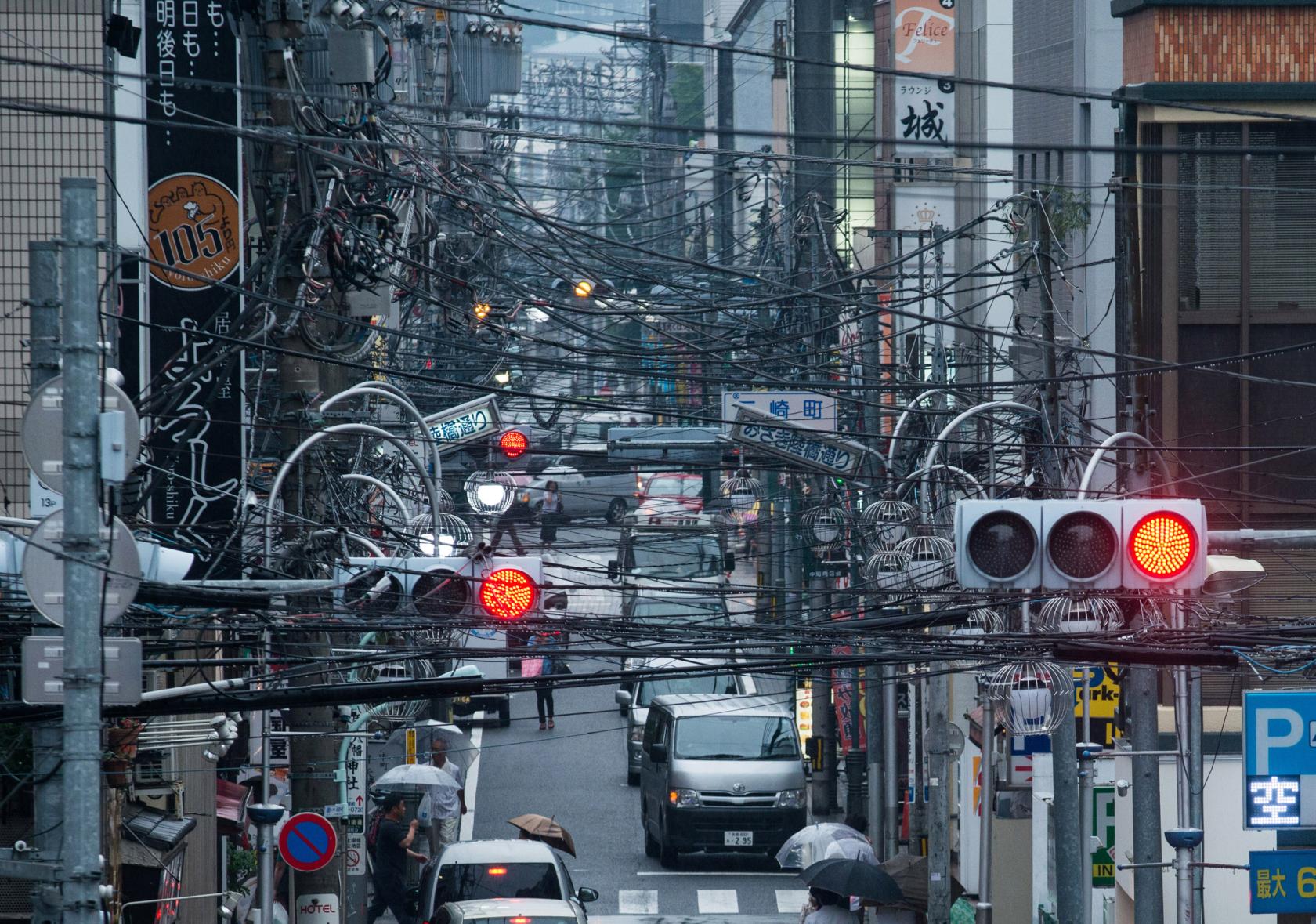
The physicality of these cables begin to have real-world implications on our landscapes as the overlap and connect. Typically fiber optic cables and copper wire-based cables such as Cat 6 form into webbed networks that connect people regionally, nationally, and internationally. This brings our city landscapes to accommodate to the sea of cables formed by these connections.

</td></tr></tbody></table>

# Satellite & GPS

[![GPS & Satellite.png](https://hydraulogistics.at/uploads/images/gallery/2025-09/scaled-1680-/gps-satellite.png)](https://hydraulogistics.at/uploads/images/gallery/2025-09/scaled-1680-/gps-satellite.png)

<span style="white-space: pre-wrap;">This timeline of events is prefaced by the 1896 invention of the </span>**Radio**<span style="white-space: pre-wrap;">. It used </span><span style="color: rgb(0, 0, 0); white-space: pre-wrap;">electromagnetic waves to transmit signals without wires. </span>  
<span style="color: rgb(0, 0, 0);">All wireless system we use — Wi-Fi, Bluetooth, satellite communication, GPS, and even your smartphone — is built on the principles of radio communication. However, the drawback with early radio was that it was messy, insecure, and limited in reach.</span>

<table id="bkmrk-1957---sputnik-was-l"><colgroup><col style="width: 240px;"></col><col style="width: 524px;"></col></colgroup><tbody><tr style="height: 10px;"><td>[![Screenshot 2025-09-12 132025.png](https://hydraulogistics.at/uploads/images/gallery/2025-09/scaled-1680-/screenshot-2025-09-12-132025.png)](https://hydraulogistics.at/uploads/images/gallery/2025-09/scaled-1680-/screenshot-2025-09-12-132025.png)

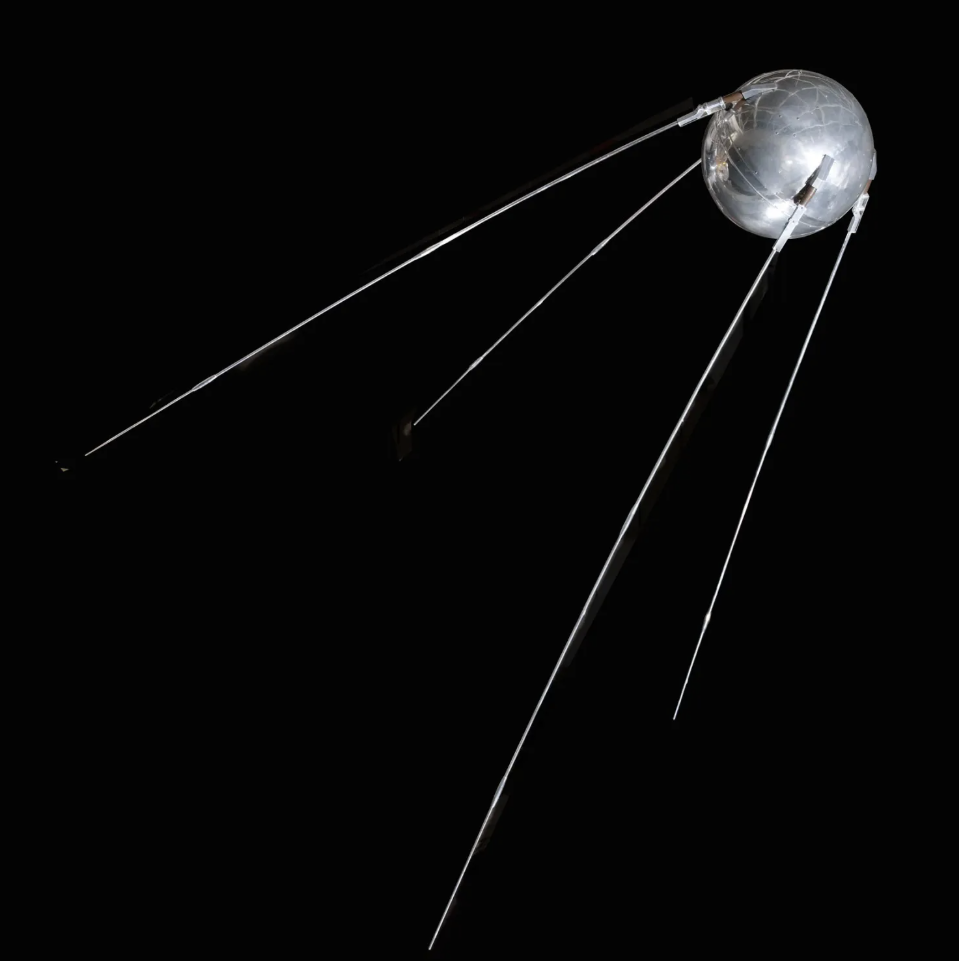
</td><td><span style="white-space: pre-wrap;">1957 - </span>**Sputnik** <span style="white-space: pre-wrap;">was launched as the first satellite. </span>

The transmitted beeping radio signals that were heard worldwide accelerated the Space Race.

It transmitted simple radio beeps (“beep-beep”) back to Earth.

Satellites could send signals far beyond the limits of radio towers, enabling global broadcasts, telephone calls, and later internet backbones.

</td></tr></tbody></table>

<span style="white-space: pre-wrap;">1958 - </span>**DARPA** (Defense Advanced Research Projects Agency) was founded in response to Russia's Sputnik. DARPA's mission is to "create technological surprise for US national security," leading to many risky yet rewarding projects that have revolutionized our world's technology.

<table id="bkmrk-1962---telstar-1-was"><colgroup><col style="width: 240px;"></col><col style="width: 523px;"></col></colgroup><tbody><tr><td>[![Telstar_1_replica.jpg](https://hydraulogistics.at/uploads/images/gallery/2025-09/scaled-1680-/telstar-1-replica.jpg)](https://hydraulogistics.at/uploads/images/gallery/2025-09/scaled-1680-/telstar-1-replica.jpg)

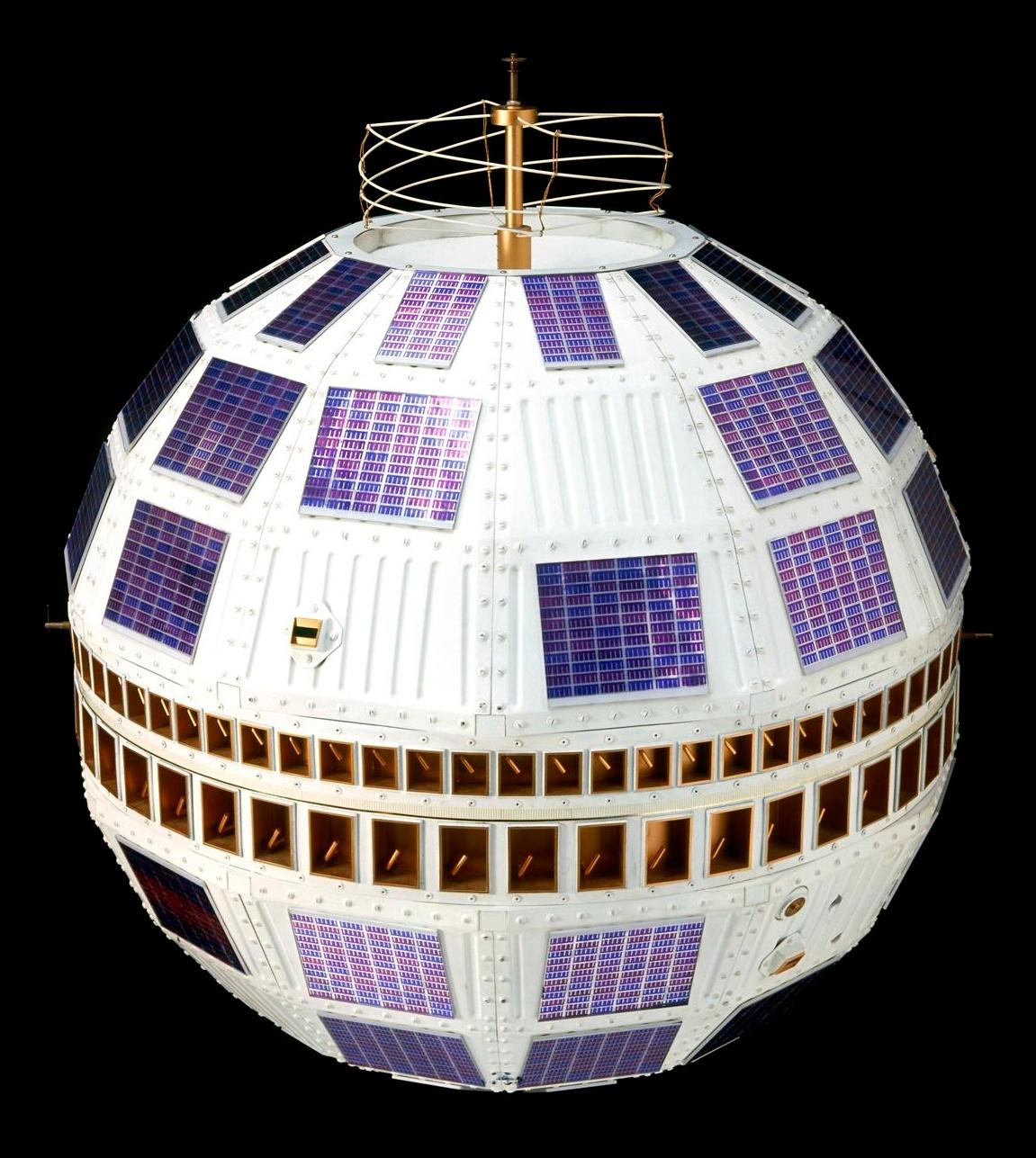
</td><td><span style="white-space: pre-wrap;">1962 - </span>**Telstar 1** was the first communication satellite that<span style="color: rgb(0, 0, 0); white-space: pre-wrap;"> relayed TV and telephone signals over the Atlantic.</span>

<span style="color: rgb(0, 0, 0); white-space: pre-wrap;">It directly led to the communications, weather, navigation, and scientific satellites we rely on today. </span>

<span style="color: rgb(0, 0, 0); white-space: pre-wrap;">1973 - </span>**GPS** <span style="color: rgb(0, 0, 0);">was originally developed under DARPA. GPS was crucial in the Cold War as it allowed troops, ships, and aircraft to know their exact positions anywhere in the world, crucial for navigation and precise missile targeting.</span>

<span style="color: rgb(0, 0, 0); white-space: pre-wrap;">1978 - </span>**First GPS satellite**<span style="color: rgb(0, 0, 0); white-space: pre-wrap;"> launched, eventually forming a global network that we use today for daily navigation.</span>

</td></tr></tbody></table>

<table id="bkmrk-conclusion%3A-the-spac"><colgroup><col style="width: 762px;"></col></colgroup><tbody><tr><td>**Conclusion**<span style="white-space: pre-wrap;">: The Space Race and fast advancements in satellite technology suggest a global struggle for power post WW2. These fast pace developments in that connected the world globally serve as the backdrop for the invention of the </span>[Internet](https://hydraulogistics.at/books/history-of-telecommunication/page/internet-technologies "Internet Technologies").

</td></tr></tbody></table>

# Internet Technologies

[![internet technologies.png](https://hydraulogistics.at/uploads/images/gallery/2025-09/scaled-1680-/internet-technologies.png)](https://hydraulogistics.at/uploads/images/gallery/2025-09/scaled-1680-/internet-technologies.png)

<table id="bkmrk-1966---packet-switch"><colgroup><col style="width: 240px;"></col><col style="width: 587px;"></col></colgroup><tbody><tr><td>[![packet-switching-brand.png](https://hydraulogistics.at/uploads/images/gallery/2025-09/scaled-1680-/packet-switching-brand.png)](https://hydraulogistics.at/uploads/images/gallery/2025-09/scaled-1680-/packet-switching-brand.png)

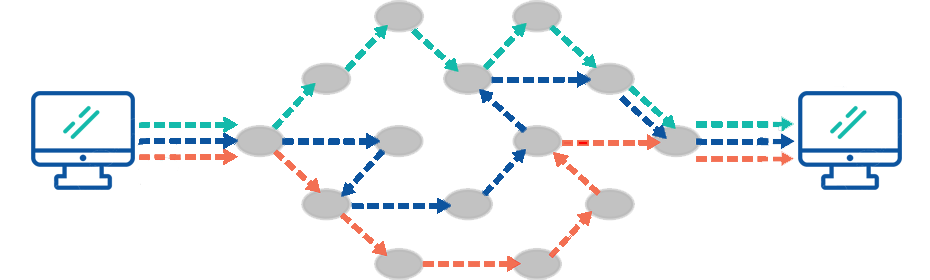
</td><td><span style="white-space: pre-wrap;">1966 - </span>**Packet Switching**<span style="white-space: pre-wrap;"> is the concept of breaking data into smaller parts that are then sent independently across a network. Once they arrive at the destination, the packets are reassembled.</span>

</td></tr></tbody></table>

<span style="white-space: pre-wrap;">1969 - </span>**ARPANET** is the firs<span style="color: rgb(0, 0, 0); white-space: pre-wrap;">t operational packet switching network, relying on IMPs (Interface Message Processors) as early routers. It is generally thought of to be the predecessor to the internet and built heavily on fundamental digital communication principles. It combines ideas from radio (wireless signals), </span>[satellites](https://hydraulogistics.at/books/history-of-telecommunication/page/satellite-gps "Satellite & GPS")<span style="color: rgb(0, 0, 0); white-space: pre-wrap;"> (long-distance communication), and </span>[cables](https://hydraulogistics.at/books/history-of-telecommunication/page/material-of-data-and-optimization-of-cables "Material of Data and Optimization of Cables")<span style="color: rgb(0, 0, 0); white-space: pre-wrap;"> (physical network infrastructure). </span>

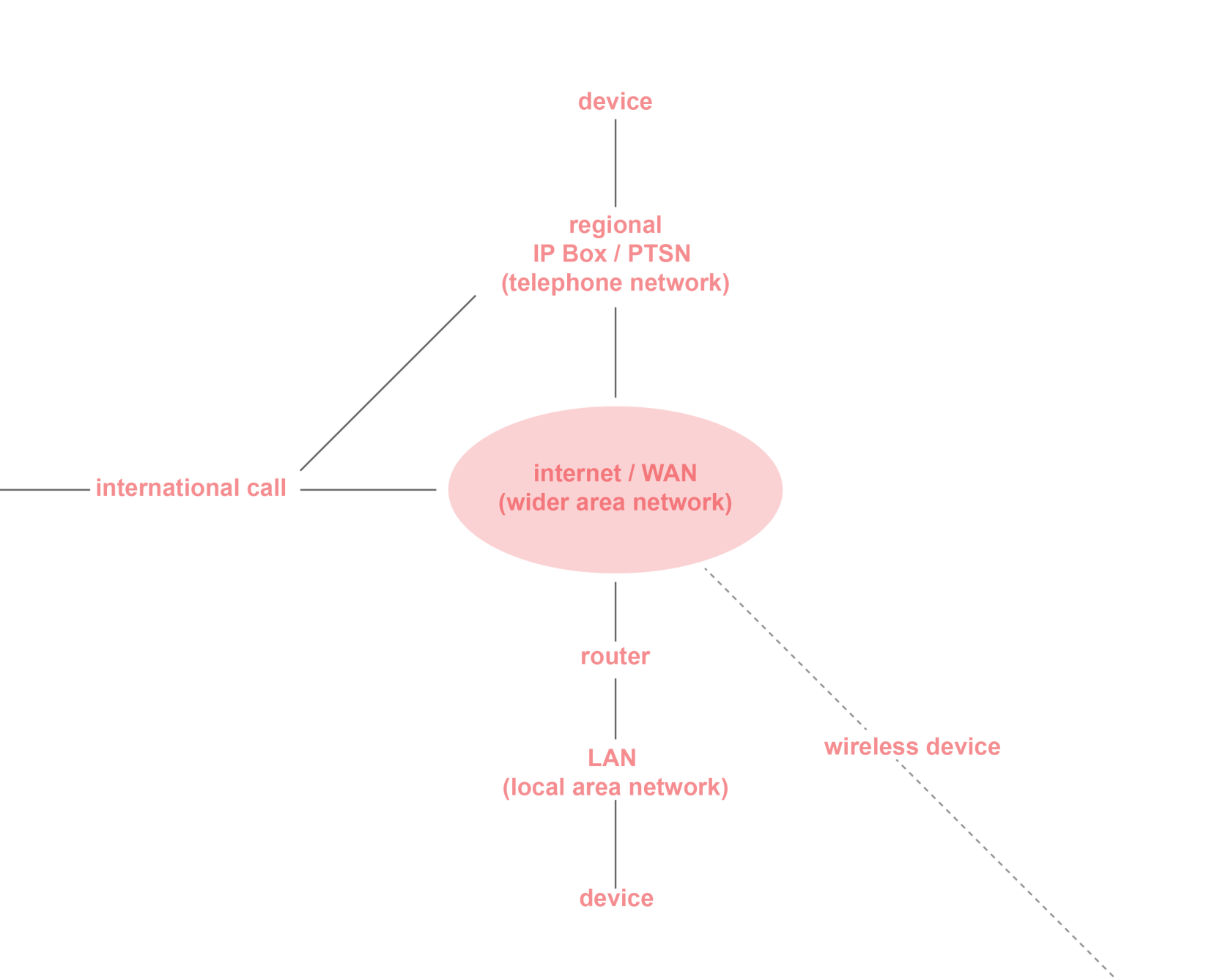
<span style="white-space: pre-wrap;">1983 - Invention of the </span>**Internet** e<span style="color: rgb(0, 0, 0);">volves from ARPANET and relies on satellites, undersea cables, and radio to transmit data globally. Turns communication from a point-to-point activity (like telegraph or telephone) into a mass, interconnected digital network.</span>

<span style="color: rgb(0, 0, 0);">The internet used TCP (Transmission Control Protocol) &amp; IP (Internet Protocol).</span>

<span style="color: rgb(0, 0, 0);">TCP - Breaks data into packets at the source, numbers them, and ensures they arrive intact and in order at the destination. Think of it like certified mail: each packet must be signed off at delivery.</span>

<span style="color: rgb(0, 0, 0);">IP - Handles addressing and routing. It decides where each packet should go, using IP addresses. Think of it like writing an address on an envelope — it ensures the mail carrier knows the destination.</span>

![TCPIP.png](https://hydraulogistics.at/uploads/images/gallery/2025-09/scaled-1680-/tcpip.png)<span style="color: rgb(0, 0, 0); white-space: pre-wrap;">1994 - </span>**HTTPS** <span style="color: rgb(0, 0, 0);">served as a way to easily share and navigate information across the Internet. Made a a universal communication platform usable for everyone.</span>

<span style="color: rgb(0, 0, 0);">Consider this analogy: Internet = the global network infrastructure (roads).</span>

<span style="color: rgb(0, 0, 0);">HTTP = a protocol that let us build the Web on top of that network (cars that drive on the roads).</span>

<span style="color: rgb(0, 0, 0);">A program to view them → the first web browser/editor (called World Wide Web).</span>

<span style="color: rgb(0, 0, 0); white-space: pre-wrap;">1997 - </span>**Wi-Fi** <span style="color: rgb(0, 0, 0);">is invented to convert digital data into radio waves, connecting devices to the internet without cables (wireless local area networking) It combines radio waves that transmit through the air, digital networking (ARPANET/internet), and protocol standardization (HTTP, TCP/IP) to make global internet access portable and wireless.</span>

  
<span style="color: rgb(0, 0, 0); white-space: pre-wrap;">1999 - </span>**Bluetooth** <span style="color: rgb(0, 0, 0); white-space: pre-wrap;">is a form of wireless communication to the personal level, extending the principles of radio and satellite to tiny devices like phones and headsets. The technology is short-range and wireless. </span>

<table id="bkmrk-conclusion%3A-wider%2C-g"><colgroup><col style="width: 795px;"></col></colgroup><tbody><tr><td>**Conclusion**: Wider, global connectivity flourished with the advent of satellites, but the internet brought virtual communication into homes and personal lives. Wireless technologies such as smartphones and Bluetooth devices were brought to the commercial market and filled the need for short-distance communication.

</td></tr></tbody></table>