# Material of Data and Optimization of Cables

![Cable Material.png](https://hydraulogistics.at/uploads/images/gallery/2025-09/scaled-1680-/cable-material.png)<span style="color: rgb(0, 0, 0); white-space: pre-wrap;">1816 - </span>**Copper wires**<span style="color: rgb(0, 0, 0); white-space: pre-wrap;"> were first used underground to relay a telegraph; copper is good electric conductor</span>

<table id="bkmrk-1881---utp-%28unshield"><colgroup><col style="width: 240px;"></col><col style="width: 240px;"></col></colgroup><tbody><tr><td>[![UTP.png](https://hydraulogistics.at/uploads/images/gallery/2025-09/scaled-1680-/utp.png)](https://hydraulogistics.at/uploads/images/gallery/2025-09/scaled-1680-/utp.png)

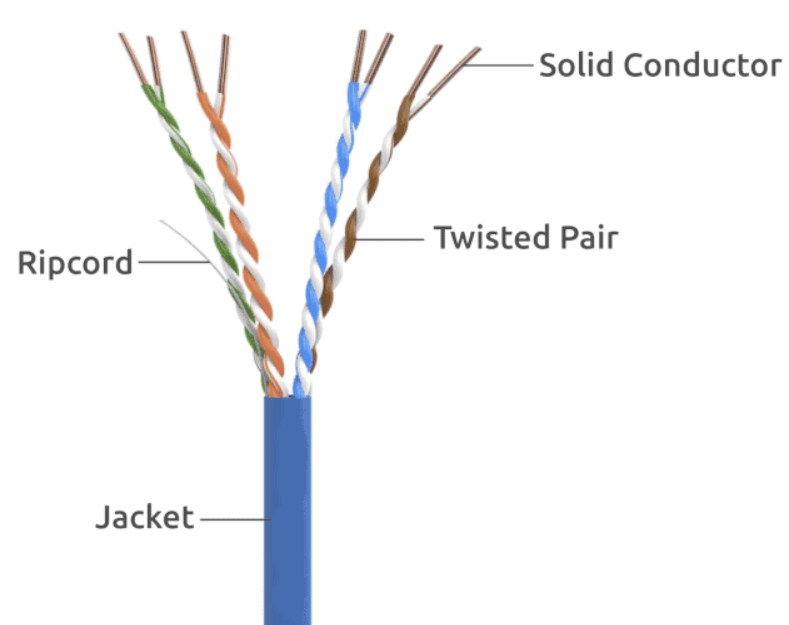
</td><td><span style="color: rgb(0, 0, 0); white-space: pre-wrap;">1881 - </span>**UTP (Unshielded Twisted Pair)**<span style="color: rgb(0, 0, 0); white-space: pre-wrap;"> is the most common &amp; inexpensive cable used in LANs (local area networks); used in ethernet &amp; telephone lines.</span>

</td></tr></tbody></table>

<span style="color: rgb(0, 0, 0); white-space: pre-wrap;">1929 - </span>**Coaxial cables**<span style="color: rgb(0, 0, 0); white-space: pre-wrap;"> include a central wire that carries the signal. The wire is protected by braided metal guard, often made of copper. Made using twisted copper wires &amp; plastic polymer (polyethylene) outer jacket.</span>

<table id="bkmrk-1970---fiber-optic-c"><colgroup><col style="width: 240px;"></col><col style="width: 240px;"></col></colgroup><tbody><tr><td>[![Fiber Optic.png](https://hydraulogistics.at/uploads/images/gallery/2025-09/scaled-1680-/fiber-optic.png)](https://hydraulogistics.at/uploads/images/gallery/2025-09/scaled-1680-/fiber-optic.png)

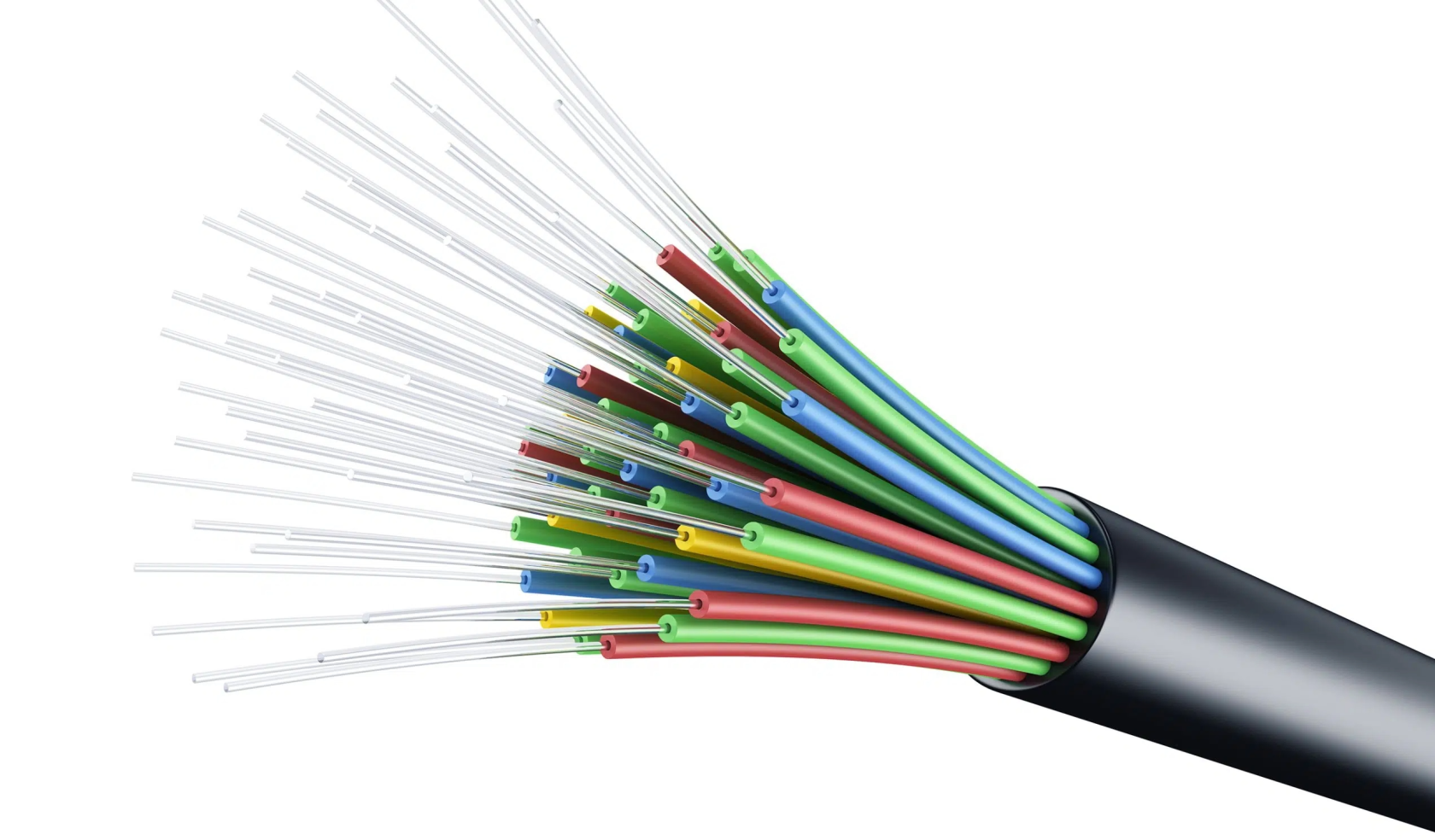
</td><td><span style="color: rgb(0, 0, 0); white-space: pre-wrap;">1970 - </span>**Fiber optic cables**<span style="color: rgb(0, 0, 0); white-space: pre-wrap;"> began to have widespread usability in telecommunications. They were able to carry signals greater distance than copper &amp; are now widely used in high-speed internet &amp; telecom as well as data centers as we know them today. Revolutionized the use of purified glass to transmit light signals very fast.</span>

</td></tr></tbody></table>

<span style="color: rgb(0, 0, 0); white-space: pre-wrap;">2002 - </span>**Cat 6** <span style="color: rgb(0, 0, 0);">is a reliable, fast ethernet cable that has good resistance to cross talk (electromagnetic interference from another set of wires). It is made with 4 pairs of twisted copper wire &amp; protective outer jacket made from materials such as PVC.</span>

<table id="bkmrk-conclusion%3A-conducti"><colgroup><col style="width: 828px;"></col></colgroup><tbody><tr><td>**Conclusion**<span style="white-space: pre-wrap;">: Conductive materials have been pushed to their physical limits to most effectively and quickly transfer data over a range of distances. The trend towards longer distances begins to signal the push towards </span>**globalization**.

</td></tr></tbody></table>

<table id="bkmrk-the-physicality-of-t"><colgroup><col style="width: 671px;"></col><col style="width: 226px;"></col></colgroup><tbody><tr style="height: 10px;"><td>[![cable diagram.png](https://hydraulogistics.at/uploads/images/gallery/2025-09/scaled-1680-/cable-diagram.png)](https://hydraulogistics.at/uploads/images/gallery/2025-09/scaled-1680-/cable-diagram.png)

</td><td>[![b-electricity-a-20151029.jpg](https://hydraulogistics.at/uploads/images/gallery/2025-09/scaled-1680-/b-electricity-a-20151029.jpg)](https://hydraulogistics.at/uploads/images/gallery/2025-09/scaled-1680-/b-electricity-a-20151029.jpg)

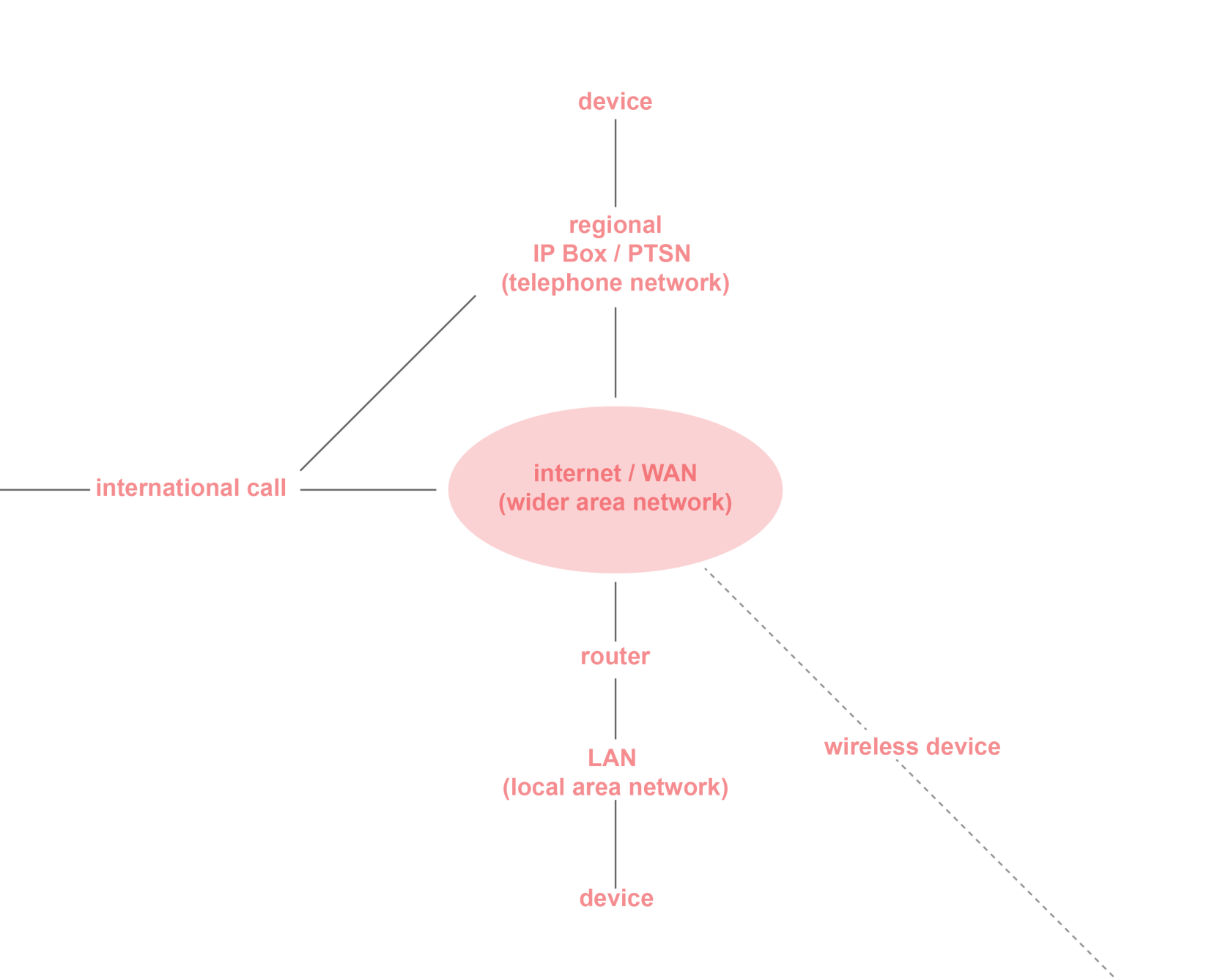
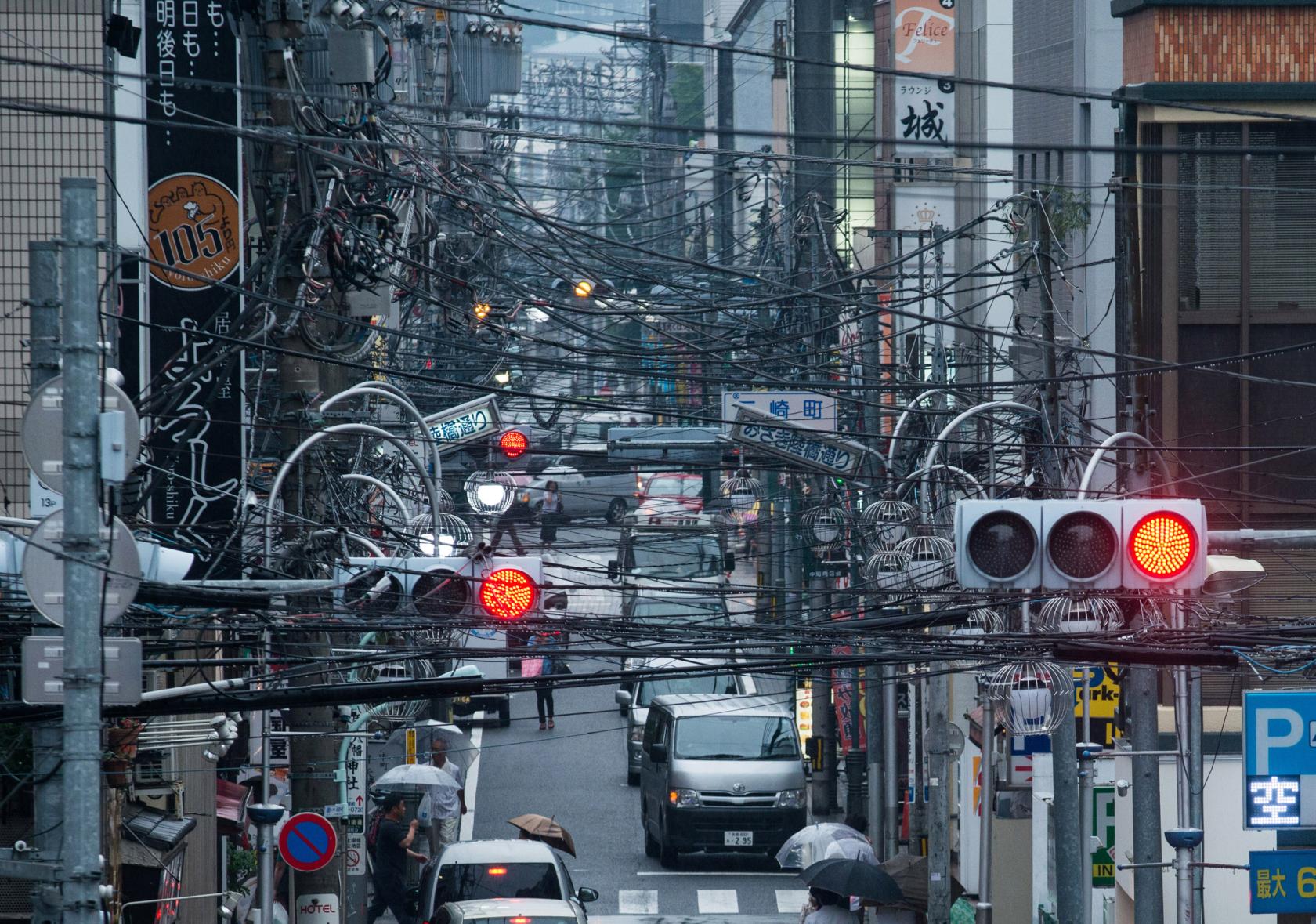
The physicality of these cables begin to have real-world implications on our landscapes as the overlap and connect. Typically fiber optic cables and copper wire-based cables such as Cat 6 form into webbed networks that connect people regionally, nationally, and internationally. This brings our city landscapes to accommodate to the sea of cables formed by these connections.

</td></tr></tbody></table>