# Morphologies
# the types of data storage
This chapter discusses the various methods of containing internet data
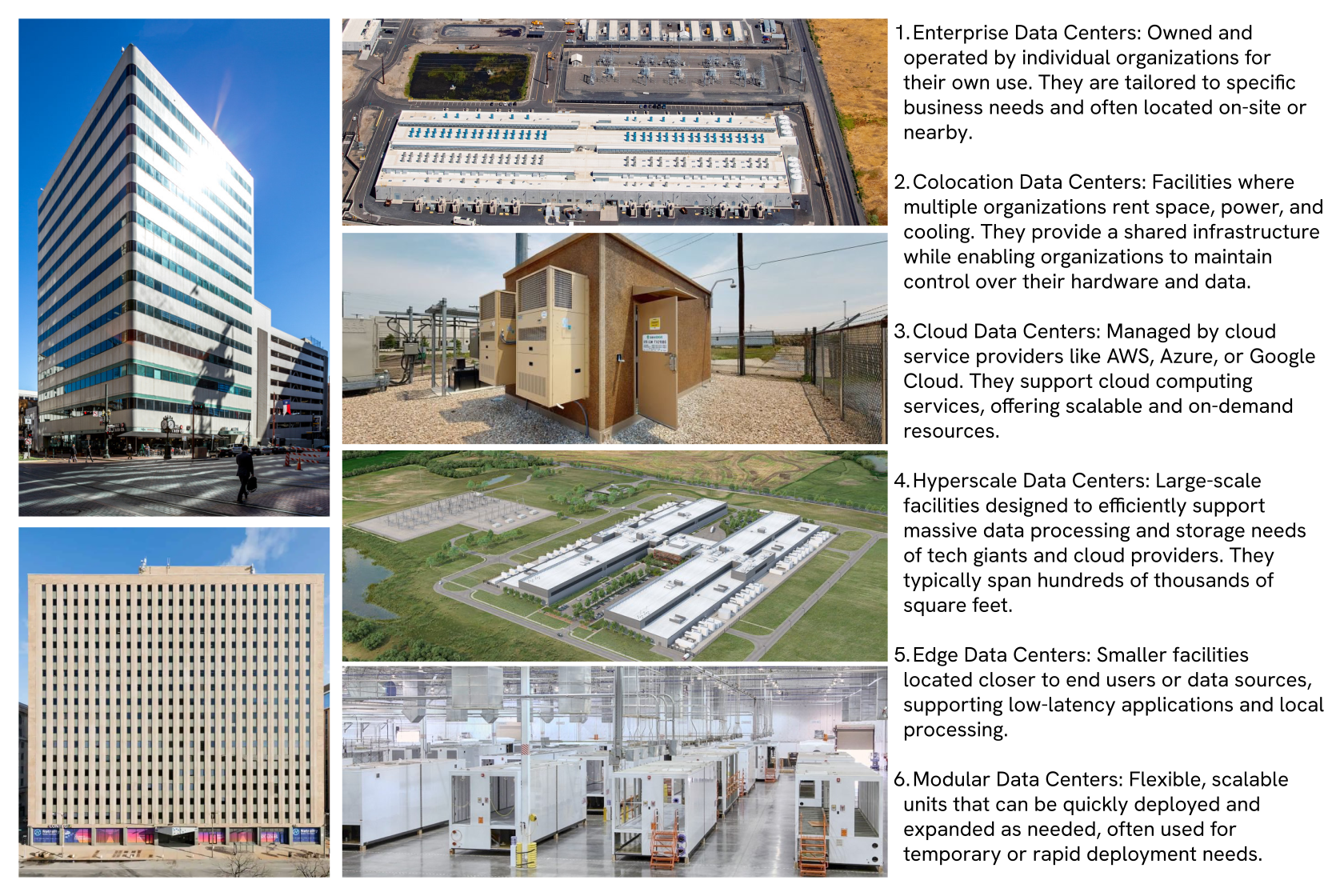
# types of data centers
[](https://hydraulogistics.at/uploads/images/gallery/2025-09/scaled-1680-/types.png)
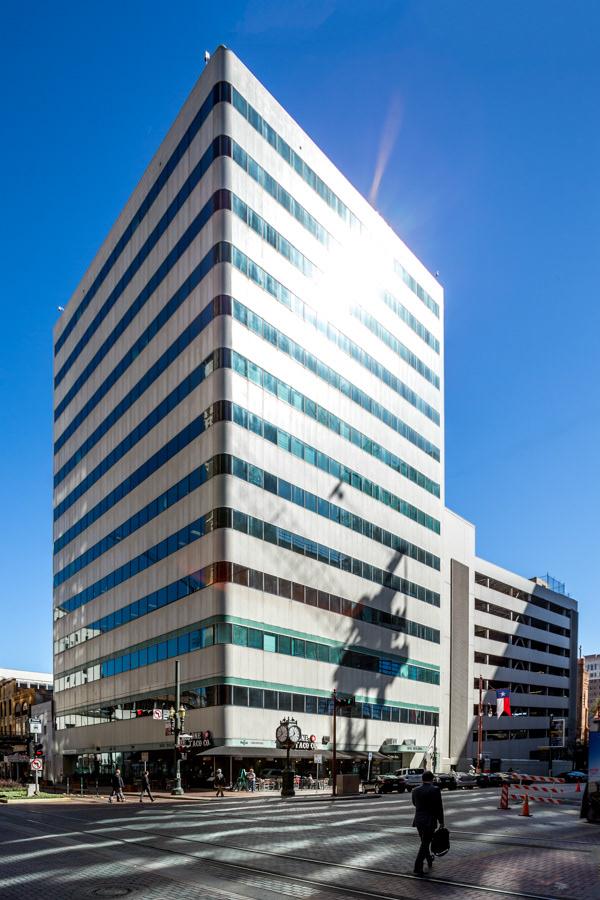
# Enterprise Data Center
[](https://hydraulogistics.at/uploads/images/gallery/2025-09/scaled-1680-/1001-texas-ave.jpg)
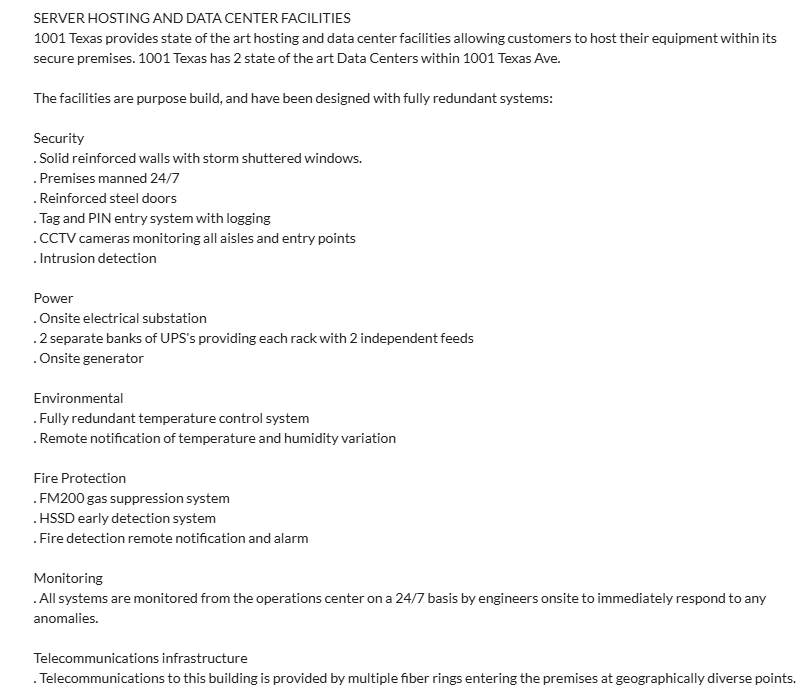
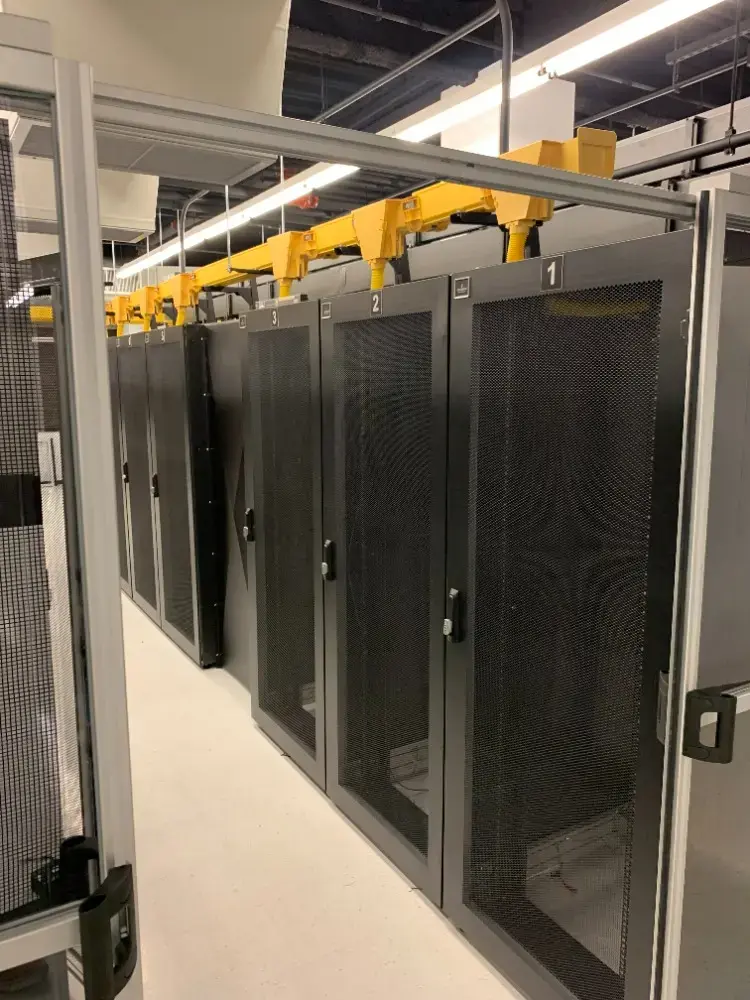### **Enterprise Data Centers**
- **Location & Infrastructure:** Usually on-premises, requiring dedicated space, power, cooling, and security.
- **Power & Cooling:** High-capacity power supply with backup generators, efficient cooling systems (CRAC units, chillers).
- **Security:** Physical security measures such as access controls, surveillance, and monitoring.
- **Staffing & Maintenance:** Skilled personnel for operations, maintenance, and upgrades.
- **Connectivity:** Reliable high-speed connectivity for internal and external networks.
- **Redundancy & Reliability:** N+1 or 2N configurations for critical systems to ensure uptime.
- **Compliance:** Must meet industry standards and regulations based on data sensitivity.
# Colocation Data Centers
[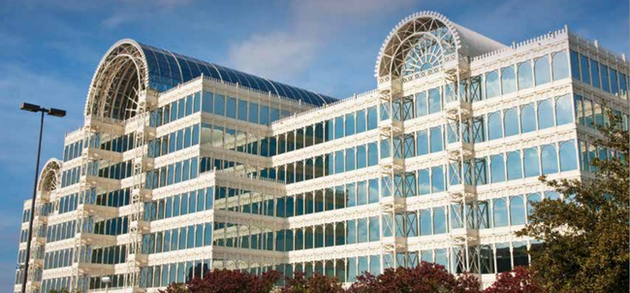](https://hydraulogistics.at/uploads/images/gallery/2025-09/scaled-1680-/equinix-infomart-1.png)
Equinix Data Center in Dallas, Texas
### **Colocation Data Centers**
##### Facilities where multiple organizations rent space and infrastructure, sharing power, cooling, and physical security resources.
- **Location & Infrastructure:** Shared facility that provides space, power, and cooling.
- **Power & Cooling:** Redundant power supplies, UPS, and cooling systems to ensure high availability.
- **Security:** Physical security features similar to enterprise centers (access control, CCTV).
- **Connectivity:** Multiple bandwidth providers for network redundancy.
- **Management:** Clients manage their own hardware; providers handle infrastructure.
- **Facility Standards:** Built to meet Tier standards (I-IV), ensuring specific levels of availability and redundancy.
# Cloud Data Centers
[](https://hydraulogistics.at/uploads/images/gallery/2025-09/scaled-1680-/amazon-aws-data-center-02-03-25-tedder.webp)
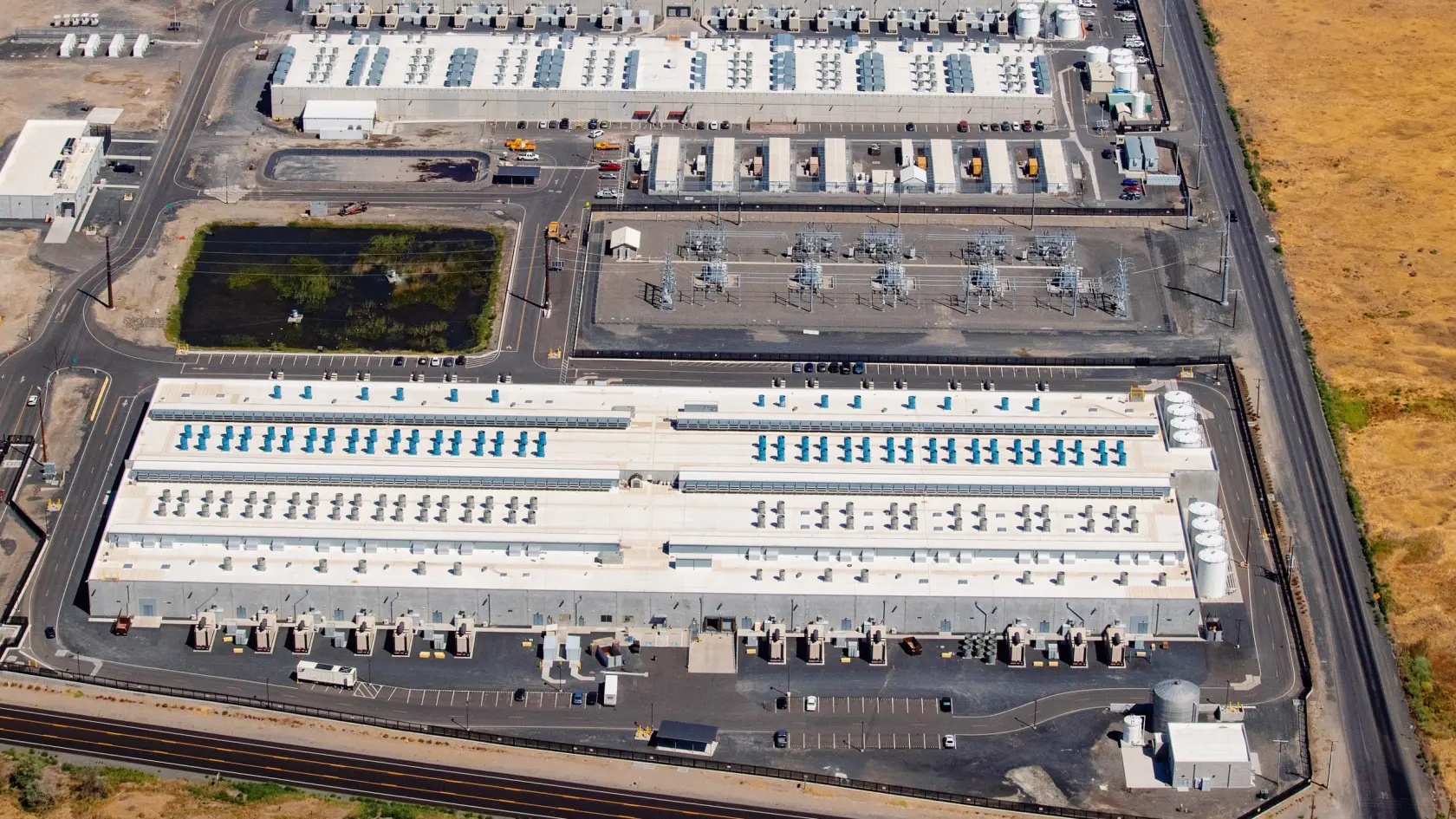
### **Cloud Data Centers**
##### Massively scalable, operated by cloud providers, supporting cloud services like SaaS, IaaS,
##### and PaaS.
**Requirements:**
- **Massive Scale & Capacity:** Hundreds of thousands of servers across multiple geographically dispersed sites.
- **Power & Cooling:** Advanced, large-scale electrical infrastructure with high-efficiency transformers, renewable energy sources, and innovative cooling solutions like free cooling, evaporative cooling, and liquid cooling.
- **Automation & Orchestration:** Usage of sophisticated software tools for provisioning, scaling, load balancing, and monitoring.
- **Security & Compliance:** Stringent physical and cyber security protocols, data encryption, multi-factor authentication, and compliance with global standards.
- **Network Architecture:** Substantial fiber infrastructure, multiple tier-1 ISP connections, and global content delivery networks (CDNs).
- **Resilience & Uptime:** Designed for extremely high availability with multi-region redundancy, disaster recovery, and data replication strategies.
- **Environmental & Energy Efficiency:** Focus on reducing carbon footprint through energy-efficient hardware and renewable sources.
- **Management:** Fully automated, with DevOps, AI-driven monitoring, and self-healing mechanisms.
# Hyperscale Data Centers
[](https://hydraulogistics.at/uploads/images/gallery/2025-09/scaled-1680-/meta-kc-data-center-rendering-2-900xx3840-2160-0-0.jpg)
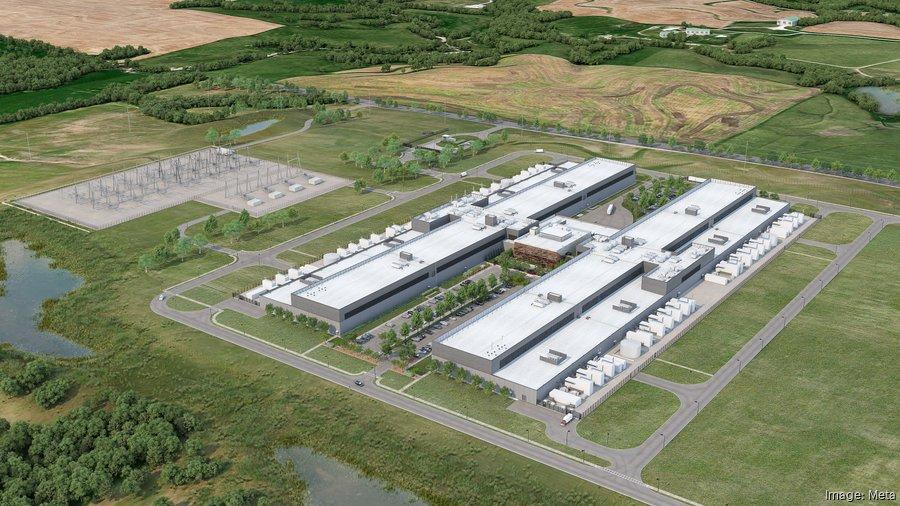
##### **Hyperscale Data Centers**
#####
Exceptionally large facilities designed to serve thousands or millions of users, typically operated by tech giants like Google, Amazon, or Facebook.
**Requirements:**
- **Physical Scale & Infrastructure:** Cover hundreds of thousands to millions of square feet, with sprawling server farms.
- **Power & Cooling:** Heavy emphasis on energy efficiency, employing techniques like immersion cooling, hot aisle/cold aisle containment, and large-scale power distribution systems.
- **Security & Access Control:** Multi-layered security, from perimeter fencing to biometric access, and strict personnel vetting.
- **Automation & AI:** Use of advanced AI and machine learning for predictive maintenance, workload distribution, and optimization.
- **Operational Redundancy:** Designed for “five nines” (99.999%) uptime, with multiple geographical locations.
- **Cost Efficiency:** Focused on optimizing construction, energy costs, and maintenance at a massive scale.
- **Connectivity:** Multi-terabit or petabit per second interconnectivity for global data transfer.
- **Environmental Sustainability:** Heavy investments in renewable energy, waste heat
# Edge Data Centers
[](https://hydraulogistics.at/uploads/images/gallery/2025-09/scaled-1680-/sba-arlington-texas-original.jpg)
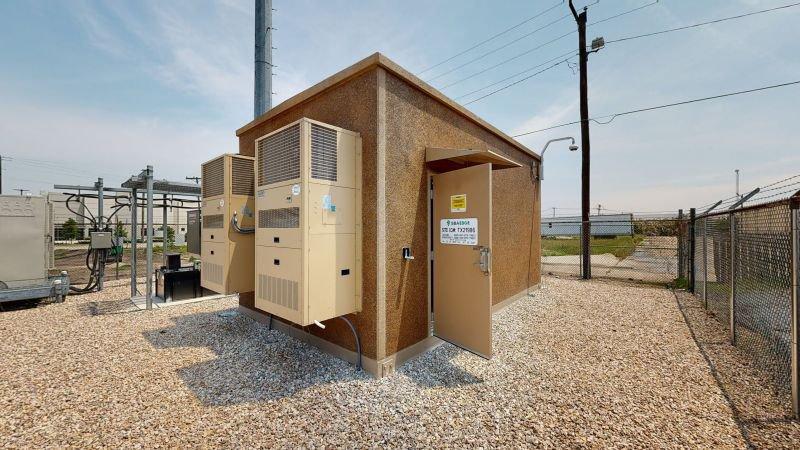
Edge data center in Arlington, Texas
## **Edge Data Centers**
##### A small-scale data center situated at the **"edge"** of a network, physically closer to where data is generated and consumed. The primary goal is to minimize the distance data has to travel, thereby reducing **latency**.
- **Location & Infrastructure:** Smaller facilities located near end users or data sources.
- **Power & Cooling:** Lower capacities; often rely on smaller, energy-efficient cooling solutions.
- **Security:** Physical security appropriate for smaller facilities, often with remote monitoring.
- **Connectivity:** Local, high-speed networks to reduce latency.
- **Purpose:** Support latency-sensitive applications, IoT, and local data processing.
- **Deployment:** Modular and scalable; quick setup and expansion
- **Proximity:** Located closer to users and devices.
- **Low Latency:** Designed for applications that can't tolerate delays.
- **Smaller Footprint:** Typically smaller than traditional data centers, often a single rack or a few racks.
- **Distributed Network:** They are part of a larger, distributed network, not a standalone entity.
# Modular Data Centers
[](https://hydraulogistics.at/uploads/images/gallery/2025-09/scaled-1680-/modular-data-center2-1200x621.jpg)
### **Modular Data Centers**
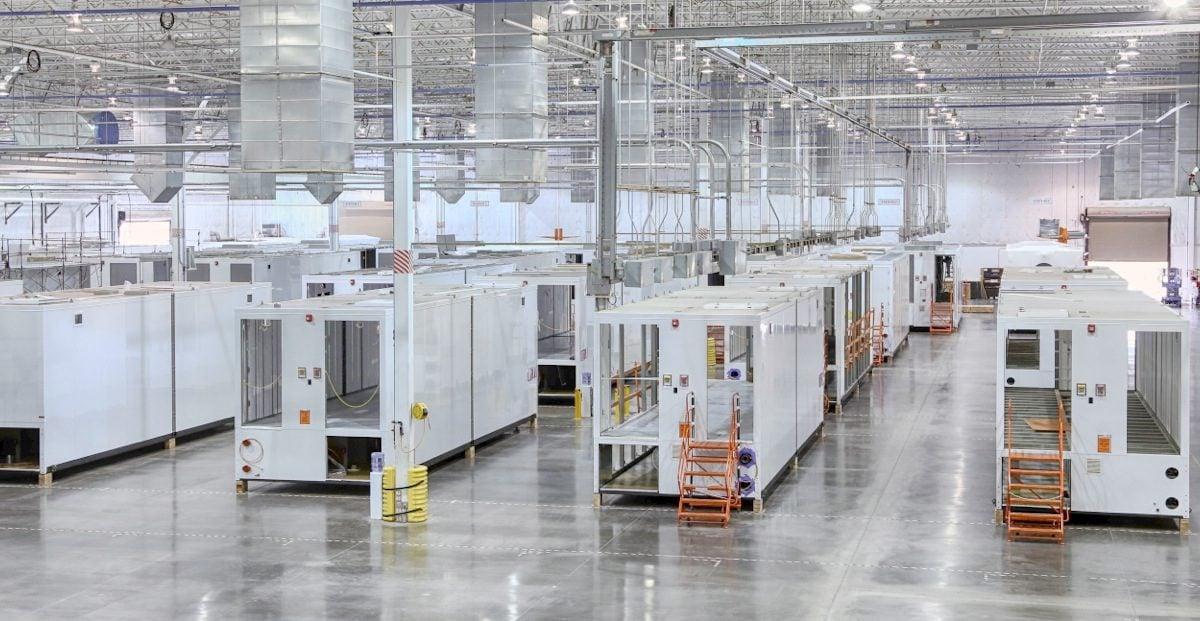
##### A modular data center is a portable, prefabricated data center system made from standardized components. Think of it like a set of building blocks for a data center. These modules, which can be the size of a shipping container, are built and tested off-site in a factory.
- **Prefabricated:** Built in a factory environment with strict quality control.
- **Scalable:** You can add modules as your needs grow, allowing for a "pay-as-you-grow" model.
- **Portable:** Can be easily transported and deployed in various locations.
- **Rapid Deployment:** Installation time is significantly reduced from years to a matter of weeks or months.
# The Data Center Field Guide
#
# Cloud Merchant, Newark, NJ
[](https://hydraulogistics.at/uploads/images/gallery/2025-09/scaled-1680-/image.jpg)
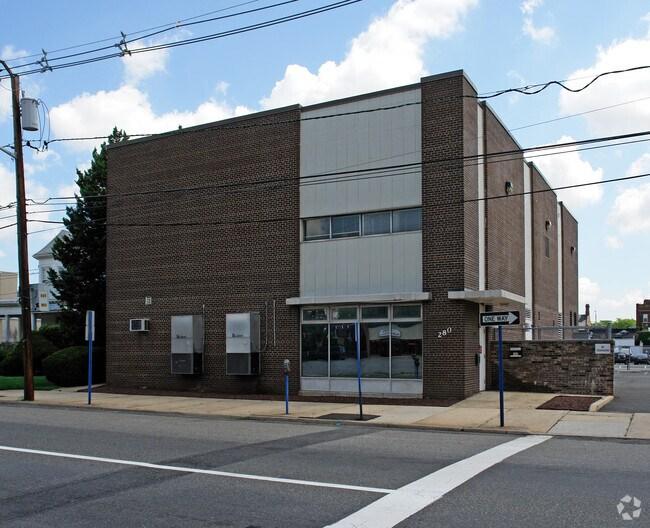
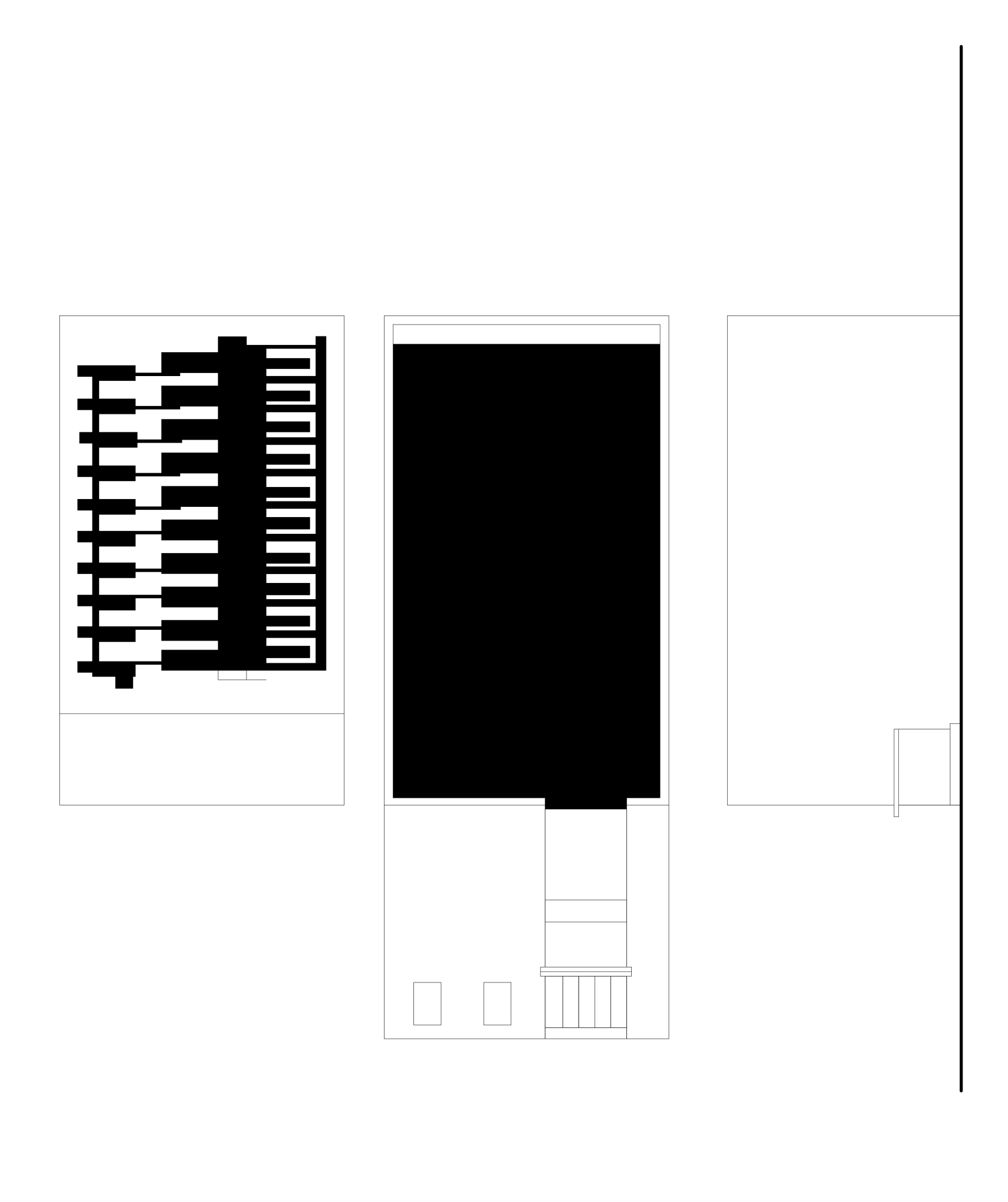
Here, we witness the **Post-Industrial Hermit Crab** inhabiting the discarded shell of a bygone era. A glimpse into its inner workings reveals a dense, almost manicured grid of machinery nestled within a simple, unassuming rectangular form. This is the new, soft body of the crab, vulnerable and hidden.
The shell itself: a mundane, brick-faced office building in Newark, NJ. This is the **hardened carapace**, the **found shelter** that the Post-Industrial Hermit Crab has claimed for its own.
This Post-Industrial Hermit Crab is a master of adaptation, a quiet colonizer. It has found a sanctuary in the overlooked, a powerful new purpose in the remains of an industrial past. It reminds us that sometimes, the most sophisticated entities in our connected world are those that choose to live not in grand, custom-built palaces, but in the unassuming, readily available shells of what once was. It is a testament to the anonymous, almost anti-architectural presence of the digital infrastructure that underpins our lives, silently humming behind a facade that asks for nothing but to be ignored.
# The Post Industrial Hermit Crab
[](https://hydraulogistics.at/uploads/images/gallery/2025-09/scaled-1680-/diagram-plans-aaa-04.png)
# Switch Data Centers, Reno, NV
[](https://hydraulogistics.at/uploads/images/gallery/2025-09/scaled-1680-/untitled-2-20.png)
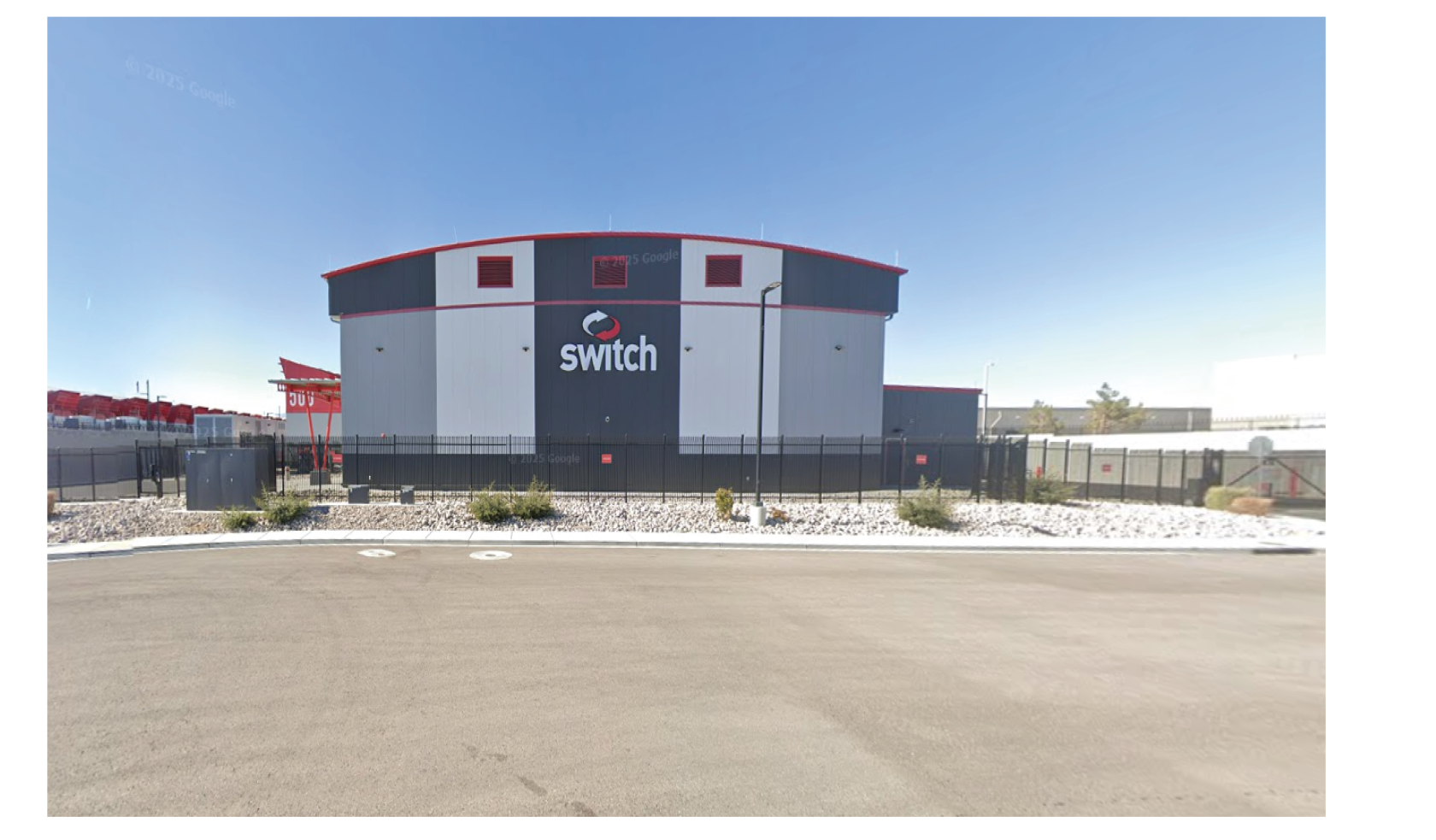
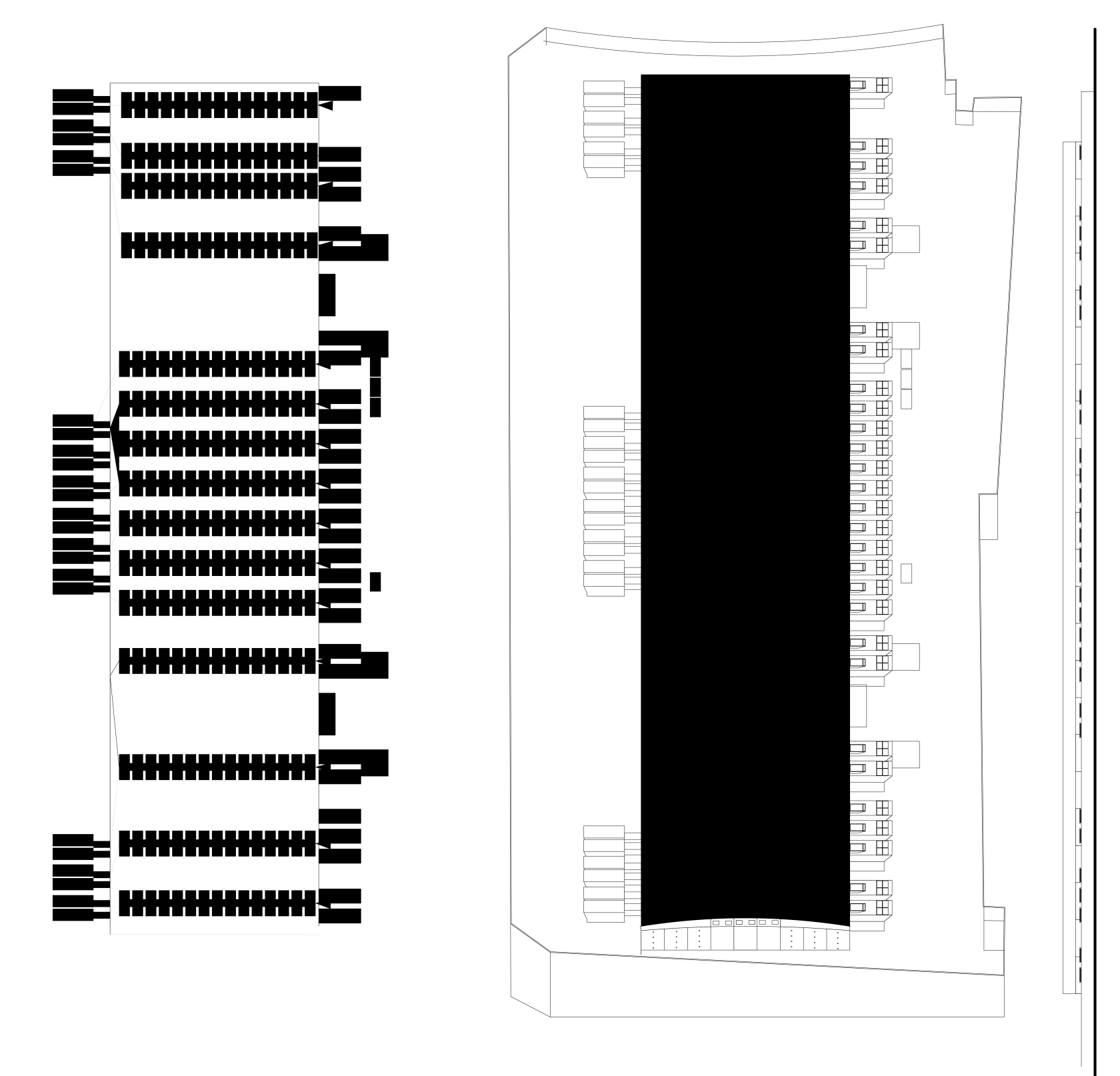
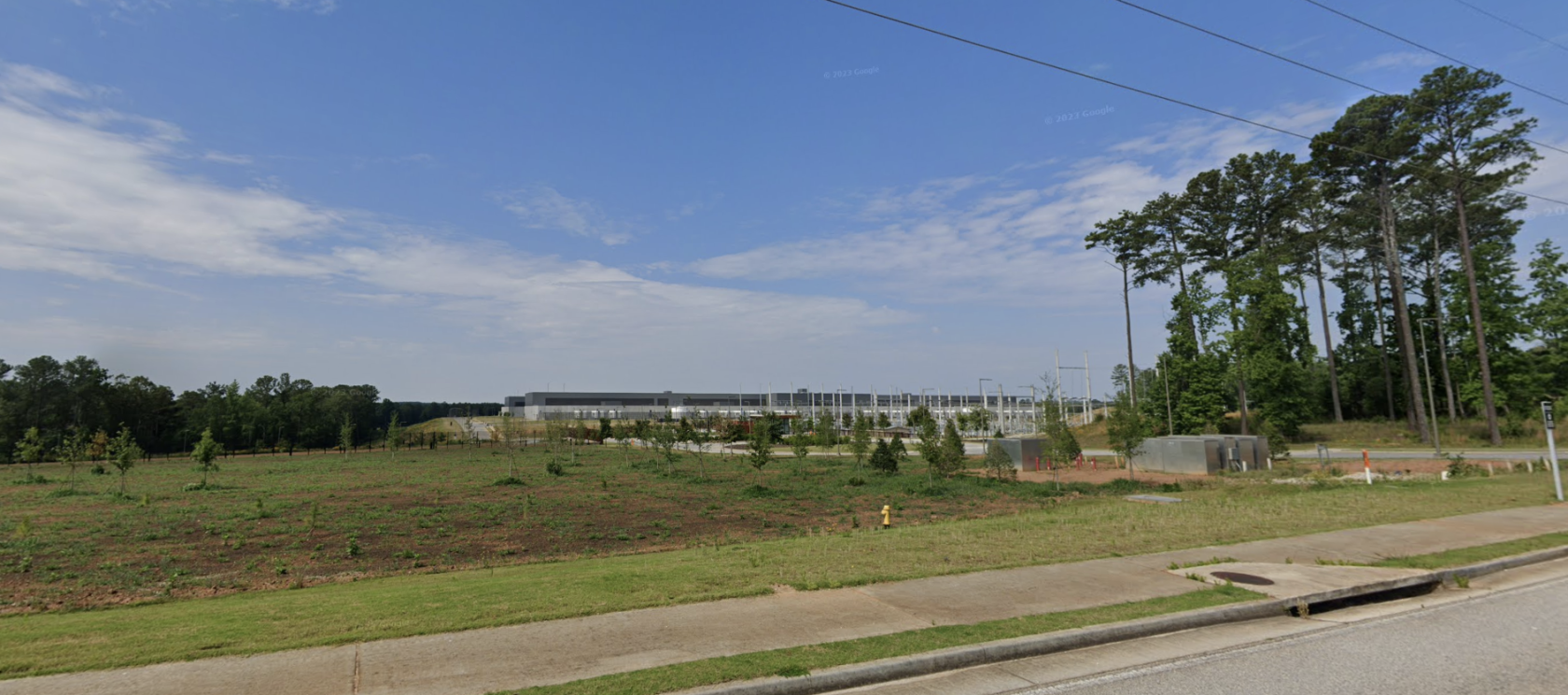
The facade is a continuous, solid wall, broken only by a slight impression of the rhythmic placement of the exhaust fans, and of course, the roof, monolithic and white. The building itself is a **monolith**, and it is further closed off by a perimeter fence and brick wall that act as a second skin. The viewer is kept at a distance, left to observe from the curb. The entire structure is a **gated community for machines**; there is no visually apparent entrance, only a logo.
# A Sentinel in a Curtain of Denial
[](https://hydraulogistics.at/uploads/images/gallery/2025-09/scaled-1680-/diagram-plans-aaa-15.png)
# Meta, Springfield, NE
[](https://hydraulogistics.at/uploads/images/gallery/2025-09/HMMimage.png)
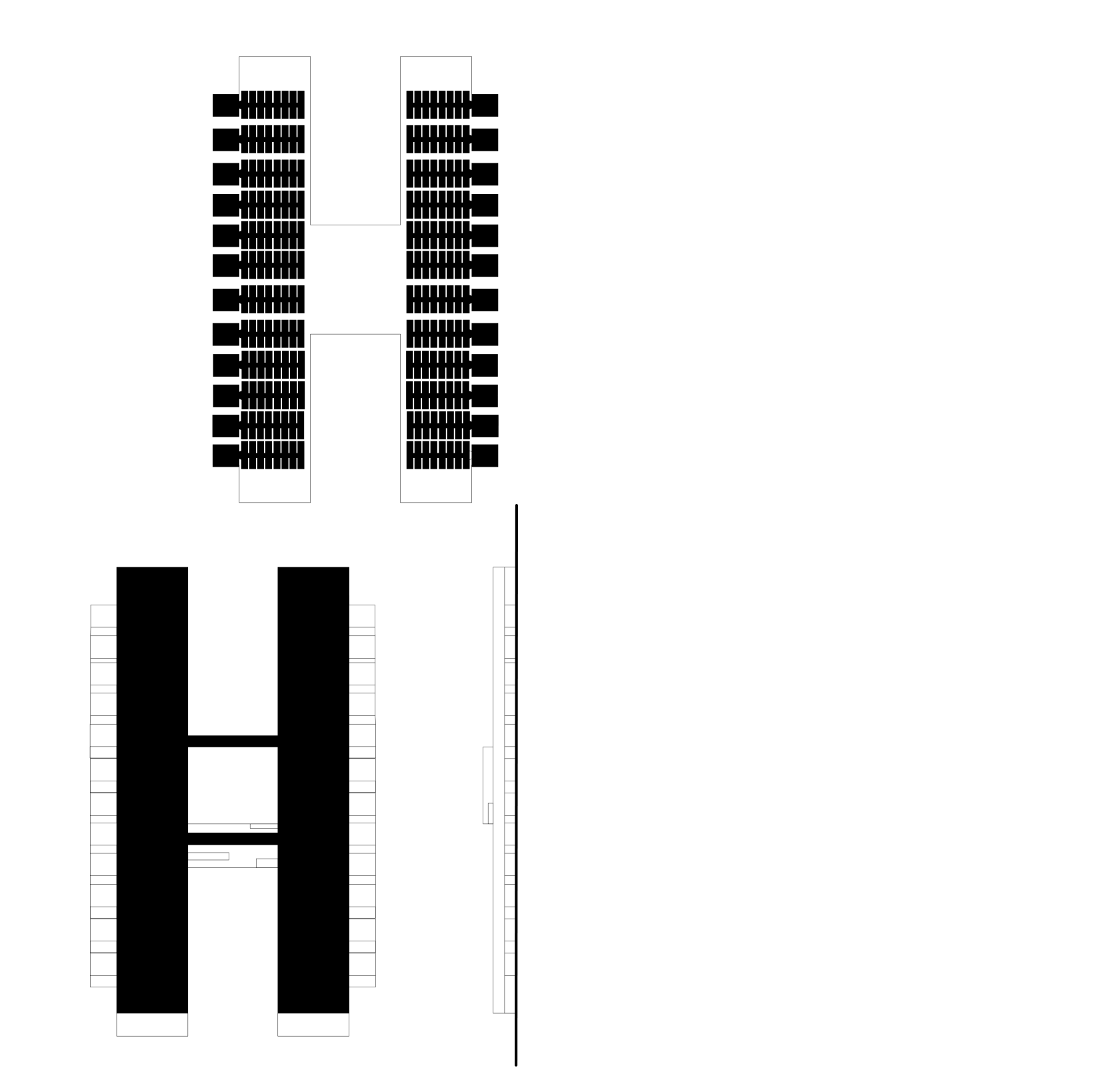
These bi-winged creatures are often found in rural areas, where there is no need to hide. Always in two, creating an internal streetscape.
These bi-winged creatures, often found in rural areas, where there is no need to hide, are the **Guardians of the Expanse**. Always in two, they create an internal streetscape, a long corridor that is not a public way but a **private artery of pure information**.
Their **form is a function of their solitude**. In the quiet of the countryside, they have shed the mask of the city, their true nature laid bare. The central "spine" of the H is not a bridge but the meaty tissue, connecting a circulatory system of information. This streetscape is a **ritual space**, where the machines display to their human occupants their warm countenance.
The **wings are their twin lungs**, inhaling power and exhaling heat, a metabolic rhythm that sustains the digital life within. They are the **Librarians of the Endless Scroll**.
# Meta-Phased Protazoa
[](https://hydraulogistics.at/uploads/images/gallery/2025-09/scaled-1680-/gbadiagram-plans-aaa-03.png)
# Amazon Web Services, Ashburn VA
### [](https://hydraulogistics.at/uploads/images/gallery/2025-09/RlFimage.png)
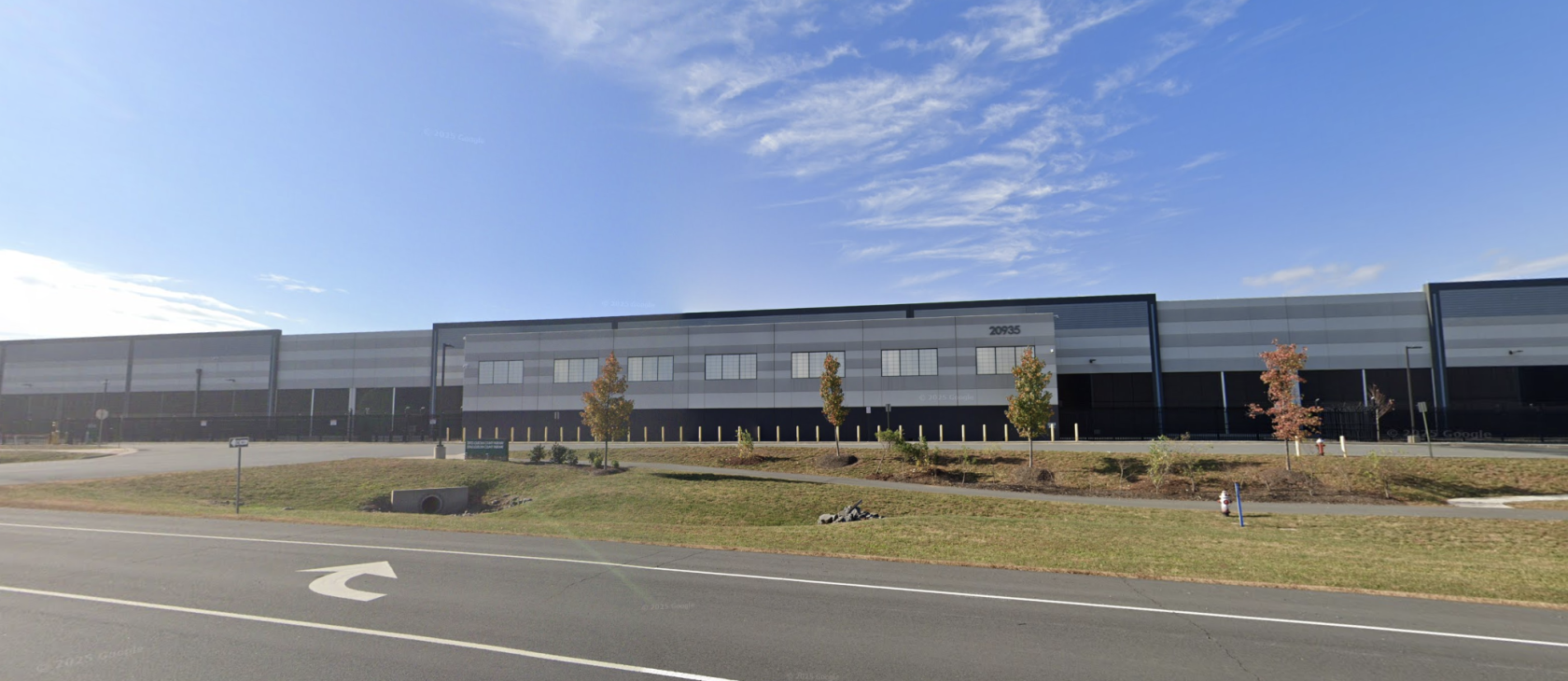
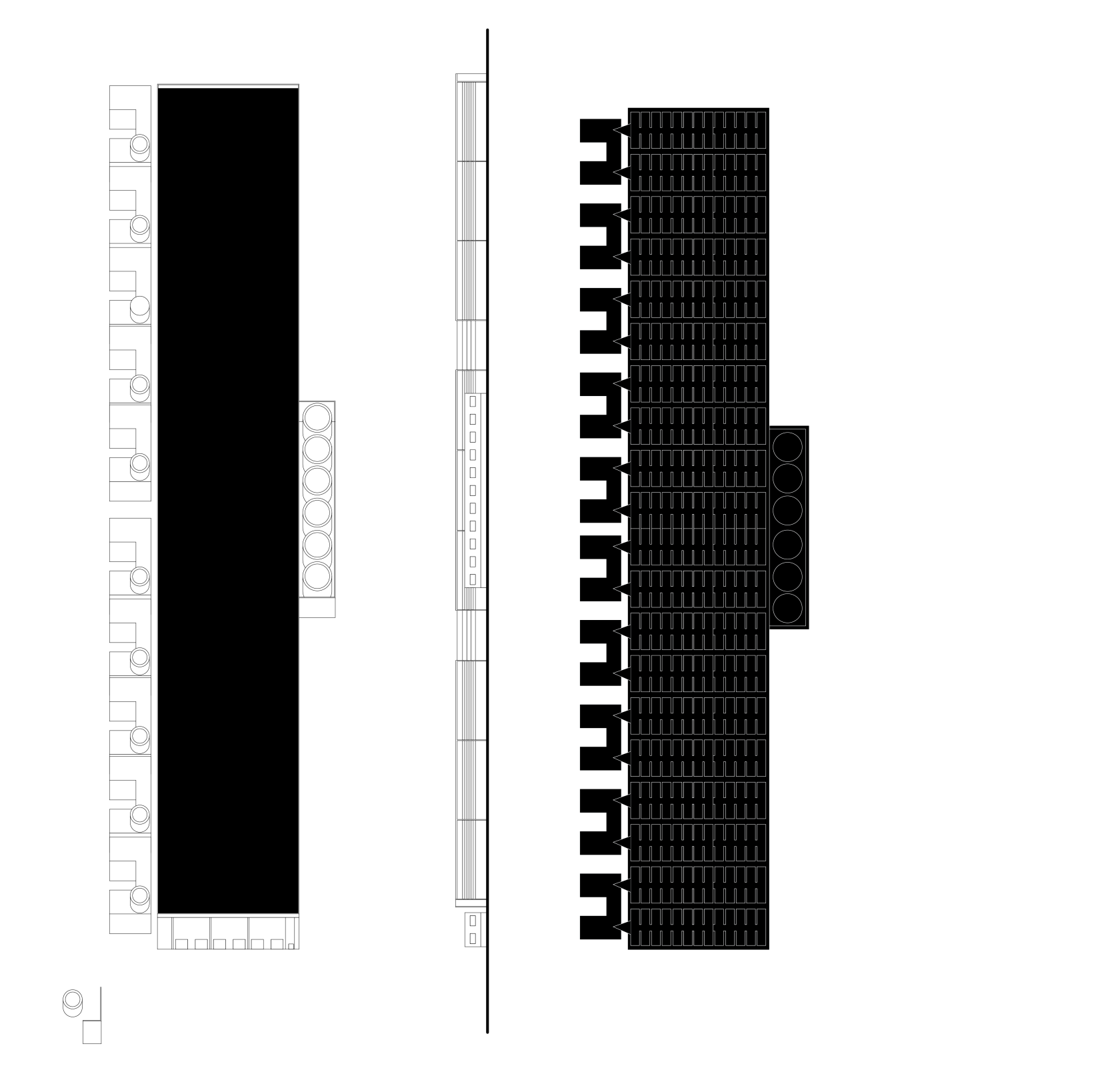
This form that loves masks is a shy giant in a world of suburban homes, forests, and office parks. Its facade is a skin of tactical deception, a meticulous collection of grey stripes and panels. These are not for beauty, but for visual fragmentation, like a zebra, which fractures its monolithic being into a series of smaller, imperceptible planes. Its true mass, a core of humming machinery, is too large and too indifferent for the human eye to comprehend, so it wears this segmented hood to pass among us unnoticed, a **lumbering beast in a tailored suit**.
The more intimate deceptions are its smaller masks, the unenclosed screens and walls that hide its **unattached appendages**—the chillers, generators, and vents. These are its vulnerable organs, its functional shame. The prosoponphilomorpha, in its architectural wisdom, knows better than to expose its mechanical heart to the world, and so it creates these **smaller masks of modesty**, each one an apology for the noise, the heat, and the sheer, ungraceful reality of its existence. It is a creature that has mastered the art of being everywhere and nowhere at once, a silent force that has traded the monumentality of a city for the quiet disguise of a landscape that is too vast to care.
# The Tetra-Visaged Brigand
[](https://hydraulogistics.at/uploads/images/gallery/2025-09/scaled-1680-/diagram-plans-aaa-12.png)
# Data Bank Data Services, Dallas, TX
[](https://hydraulogistics.at/uploads/images/gallery/2025-09/scaled-1680-/untitled-33.png)
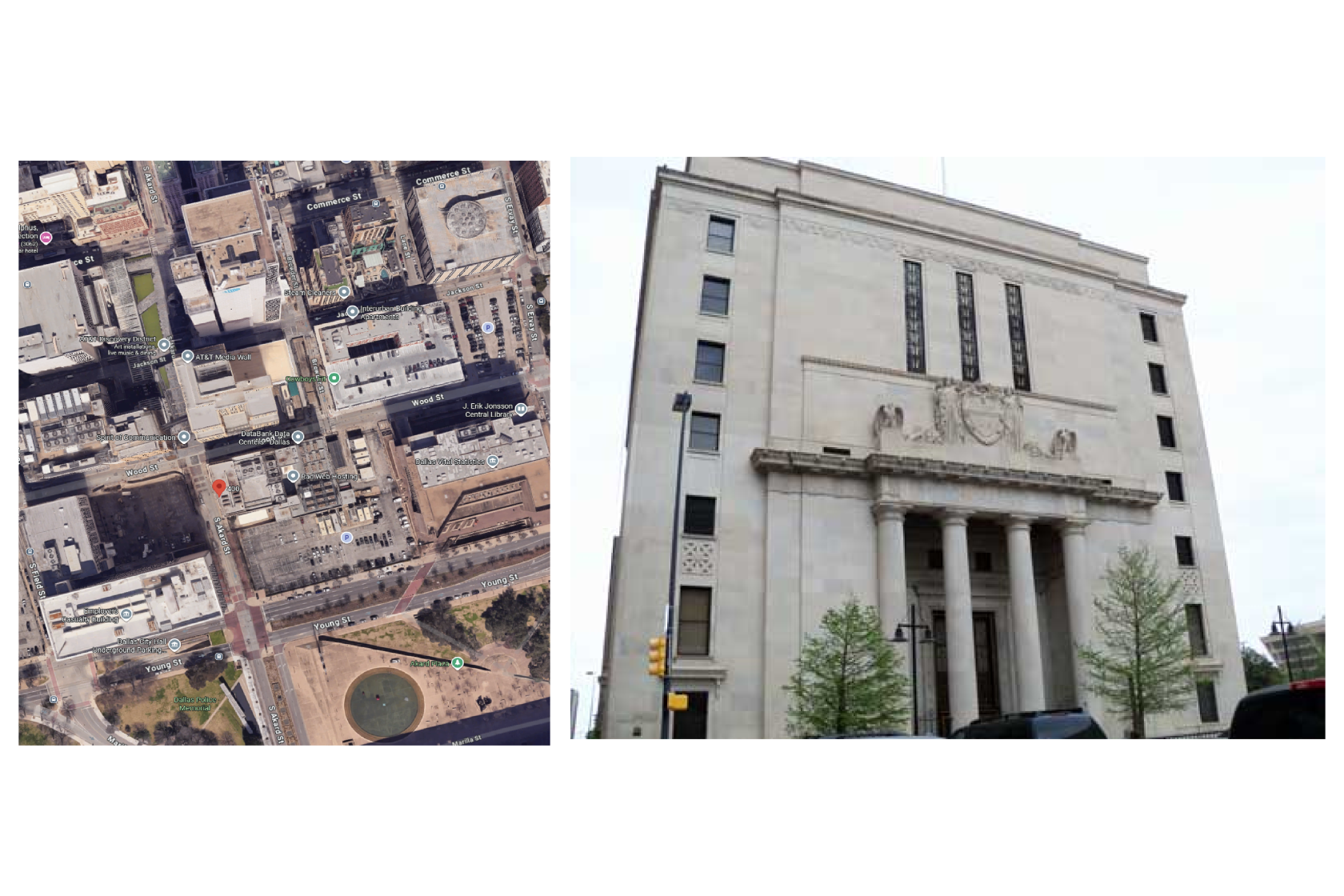
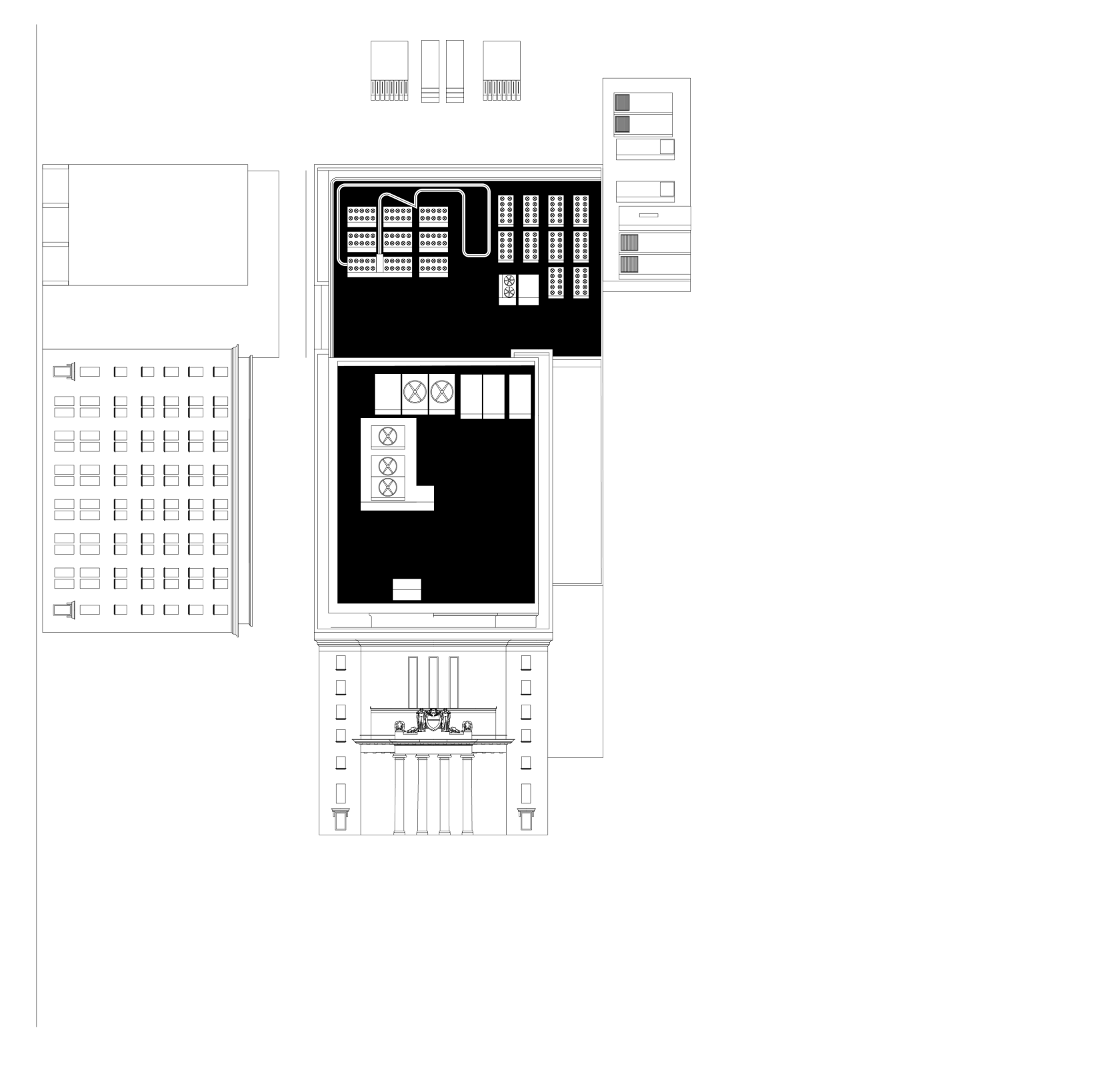
Often, enterprise or colocation centers, **sophisticates** hide within the facade of an older building, typically with a more classical facade.
These older buildings are often institutional or infrastructural, like banks and telephone towers, which no longer require the same amount of real estate. By maintaining the building's classical facade, the data center can exist in a major city without creating an eyesore or clashing with the architectural style of a neighborhood. This can ease the permitting process and garner local community support, which is often a hurdle for new construction. The very nature of the disguise provides an added layer of physical security. An unassuming, historical facade does not immediately suggest the presence of a high-value, high-tech data center, which can deter potential threats. This subtle approach is a form of passive security, where the building's outward appearance hides the nature of its contents.
Former banks are common sites, often massive, with strong, reinforced structures designed to protect valuable assets. Their thick walls, secure vaults, and sturdy foundations are ideal for housing sensitive IT equipment and providing enhanced physical security. The basements of these buildings, in particular, offer a cool, stable environment and the structural integrity needed to support the heavy weight of servers and cooling systems.
Telephone towers are also well-suited for data centers due to their historical role in network infrastructure. They were built to house switching equipment and often have existing fiber optic and copper cable connectivity. Their location is also a major advantage, as they are typically situated in urban centers with robust network access, making them prime spots for low-latency edge computing. The buildings often have ample vertical space and strong floor loads to accommodate dense racks of equipment.
# Symbioses of Sophisticates
[](https://hydraulogistics.at/uploads/images/gallery/2025-09/scaled-1680-/diagram-plans-aaa.png)
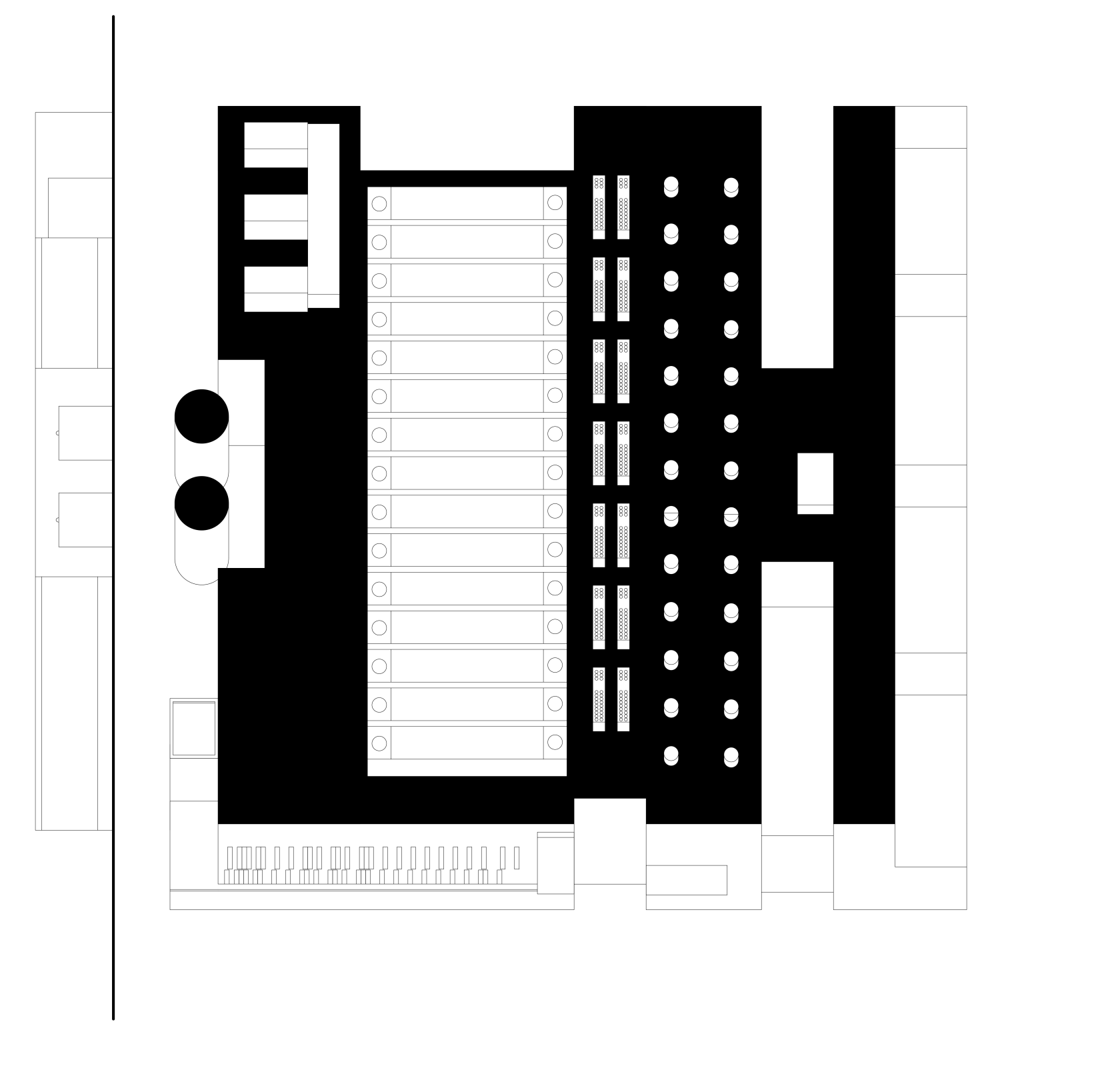
# Equinix Data Center, Ashburn, VA
[](https://hydraulogistics.at/uploads/images/gallery/2025-09/ieVimage.png)
# A Hooded Mage
[](https://hydraulogistics.at/uploads/images/gallery/2025-09/scaled-1680-/diagram-plans-aaa-11.png)
# Digital Realty, Ashburn, VA
[](https://hydraulogistics.at/uploads/images/gallery/2025-09/oFSimage.png)
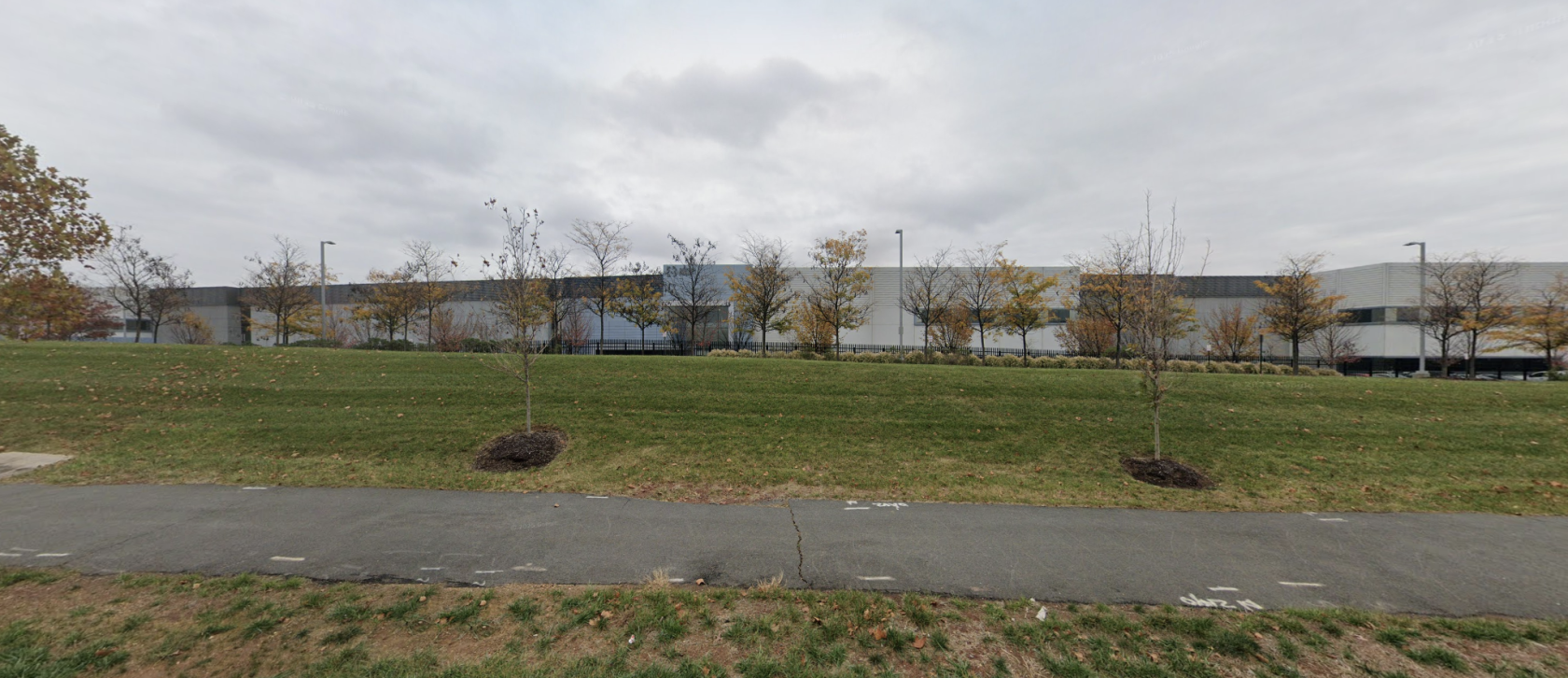
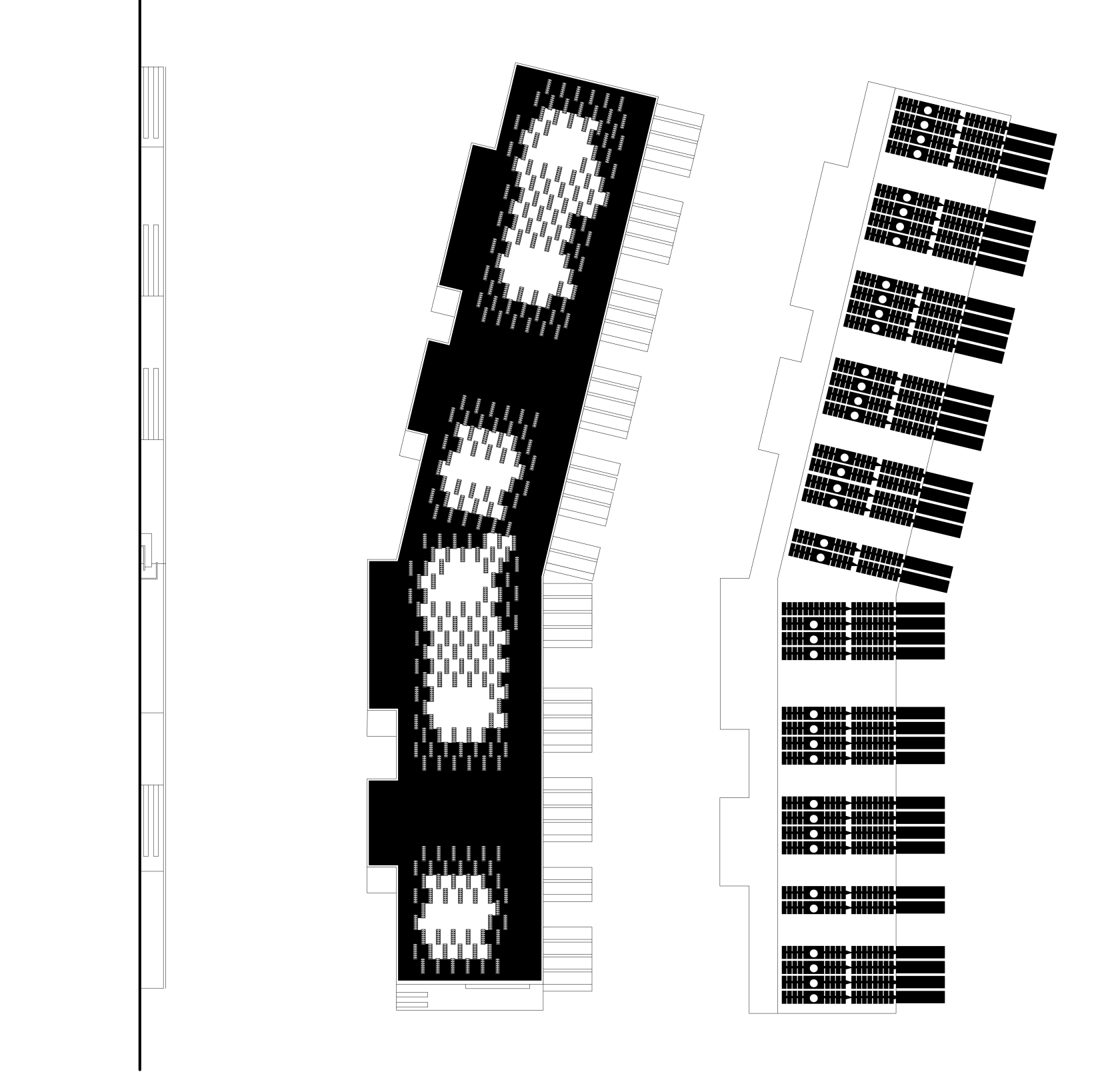
The data center, as revealed in its plan, is a creature of almost deliberate indifference, a testament to the lack of architectural ambition that defines its purpose. Its layout, a series of repetitive, staggered boxes, betrays no passion or grand design, only the cold logic of efficient space utilization. The plan does not unfold so much as it **moans**, shuffling back and forth. This **lackadaisical jog** speaks of a design process that has surrendered to pure utility, a geometry dictated by the constraints of a plot line and the repetitive demands of the machines within. The building's form is less a sculpted object but rather a flaccid
The **screen of paltry trees** is the final, sad detail in this narrative of architectural surrender. The trees are not a forest, nor are they a grand avenue; they are a **thin line of squires**, standing as a frail, symbolic barrier against the full, unadulterated view of the data center's sheer scale and banality. They suggest a half-hearted attempt at concealment, a whispered apology to the landscape that can do little to hide the building's massive, indifferent presence. They underscore the data center's unwillingness to fully engage with its surroundings, content to remain a massive, unloved object with a thin, vegetative disguise.
# Languid Leviathan
[](https://hydraulogistics.at/uploads/images/gallery/2025-09/scaled-1680-/diagram-plans-aaa-05.png)
# Mapping Ashburn: infrastructural park
Featuring Greebles, Kitbashing, Suburbia, Sprawl, and the Archipelago
# Ashburn, Va
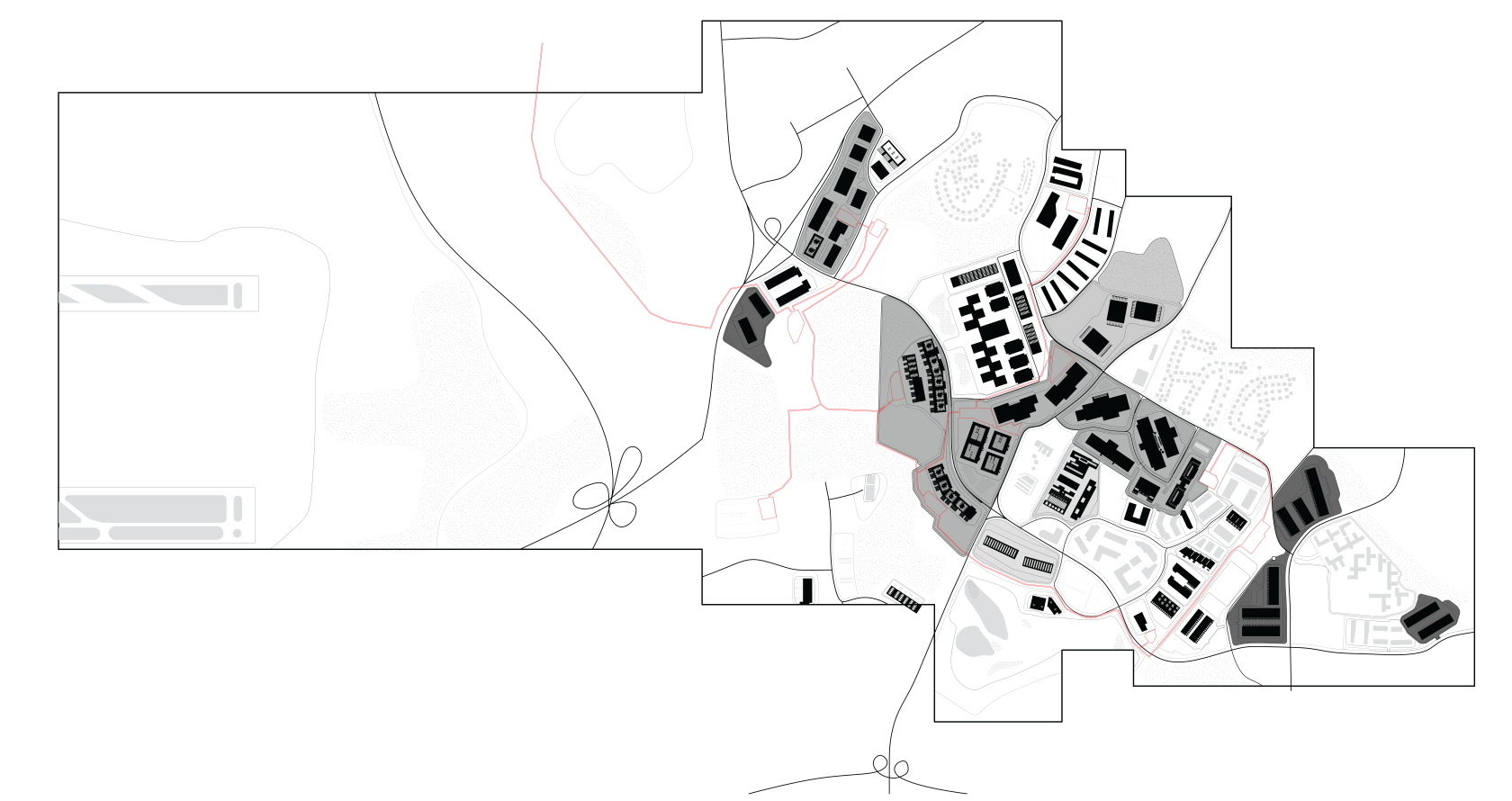
Ashburn, Virginia—**Data Center Alley**—hosts over 275 data centers carrying about 70% of global internet traffic at peak, driven by dense fiber networks, proximity to subsea cables, cheap and abundant Dominion Energy power, large industrial-zoned parcels, and low natural-disaster risk near Washington, D.C. Virginia’s tax incentives and **streamlined zoning** amplified growth, with data centers adding $16+ billion in assessed value and nearly half of Loudoun County’s property tax revenue. Anchored by early peering point MAE-East, Ashburn became a self-reinforcing cluster where Amazon (50+ hyperscale sites), Digital Realty, Equinix, and Microsoft colocate for low latency and redundancy. Typologically, hyperscale campuses dominate but blur with regional colocation hubs, producing hybrids that combine sheds, substations, cooling fields, and buffer lands. These facilities often consume two to three times more land in support space than server halls, transforming the suburban landscape into infrastructural parks that blur private control with the public commons.
- Use-Specific Standards (Section 4.06.02): Data centers adjacent to residential uses must provide enhanced buffers, including a berm at least six feet tall with landscaping and full screening of mechanical equipment.
- Setbacks (Industrial Districts): Buildings must be set back at least 35 feet from roads and 50 feet from nonresidential lot lines, with parking no closer than 25 feet.
- Special Exception Rule (2025 amendment): Data centers within 500 feet of residential property now require a Special Exception (SPEX) rather than by-right approval.
- Buffer Yards (Section 7.04.03): Buffer yards are required per the county’s Use Buffer Matrix, ensuring landscape screening between higher-intensity uses (like data centers) and less intensive or residential neighbors.
- Landscaping / Screening: Rooftop and ground-mounted mechanical equipment, as well as loading and refuse areas, must be fully screened from view, especially where facilities face public rights-of-way or residential areas.
-
# By the Dulles Airport
Before delving into the specifics of this map, it is crucial to foreground its relationship to Dulles Airport, the interconnections between individual data centers and their surrounding counterparts, and the environmental and contextual factors that hybridize landscape, form, and the shifting boundary between public and private.
# Parameter/Border/Extension
[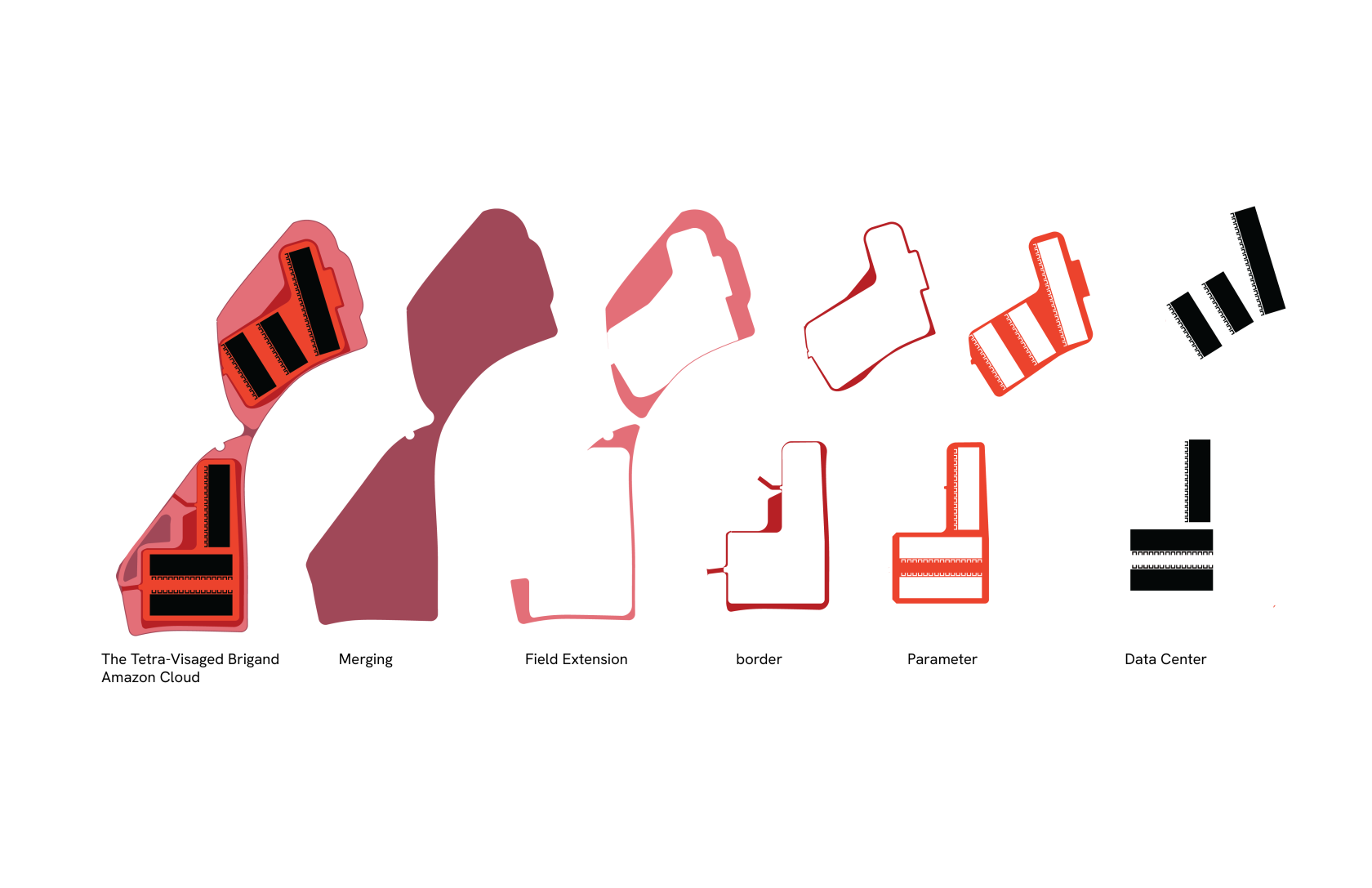](https://hydraulogistics.at/uploads/images/gallery/2025-09/scaled-1680-/color-02.png)
The Tetra-Visaged Brigand Amazon Cloud
Through the acts of merging and morphing, the connection to the cloud extends beyond the physical lines that carve acres into extensions, buffer yards, and setbacks, establishing a coherent border and a perimeter used for access, maintenance, management, and vehicular circulation.
# Parameter/Border/Extension
[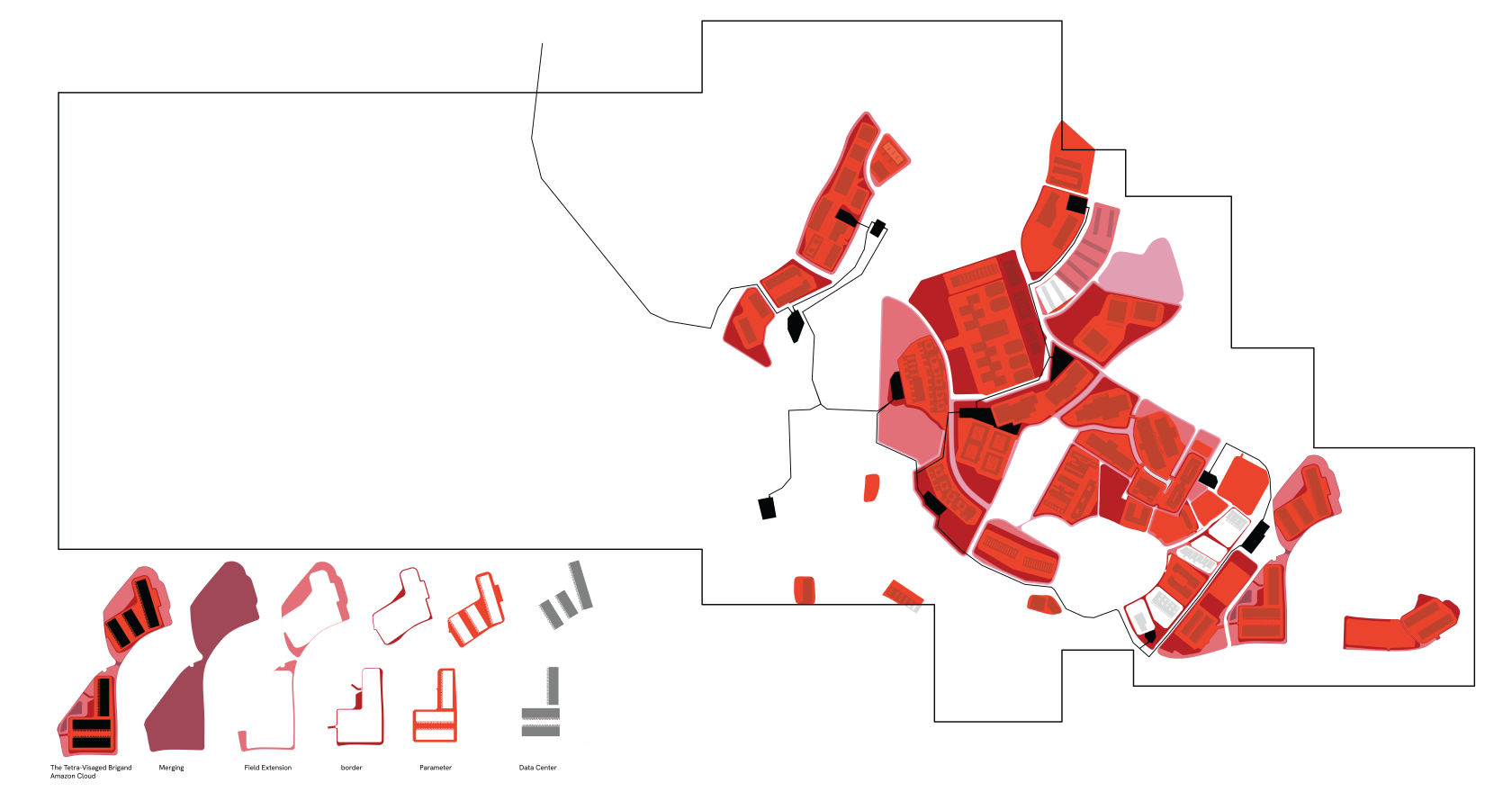](https://hydraulogistics.at/uploads/images/gallery/2025-09/scaled-1680-/color-01.png)
# By Corporation
[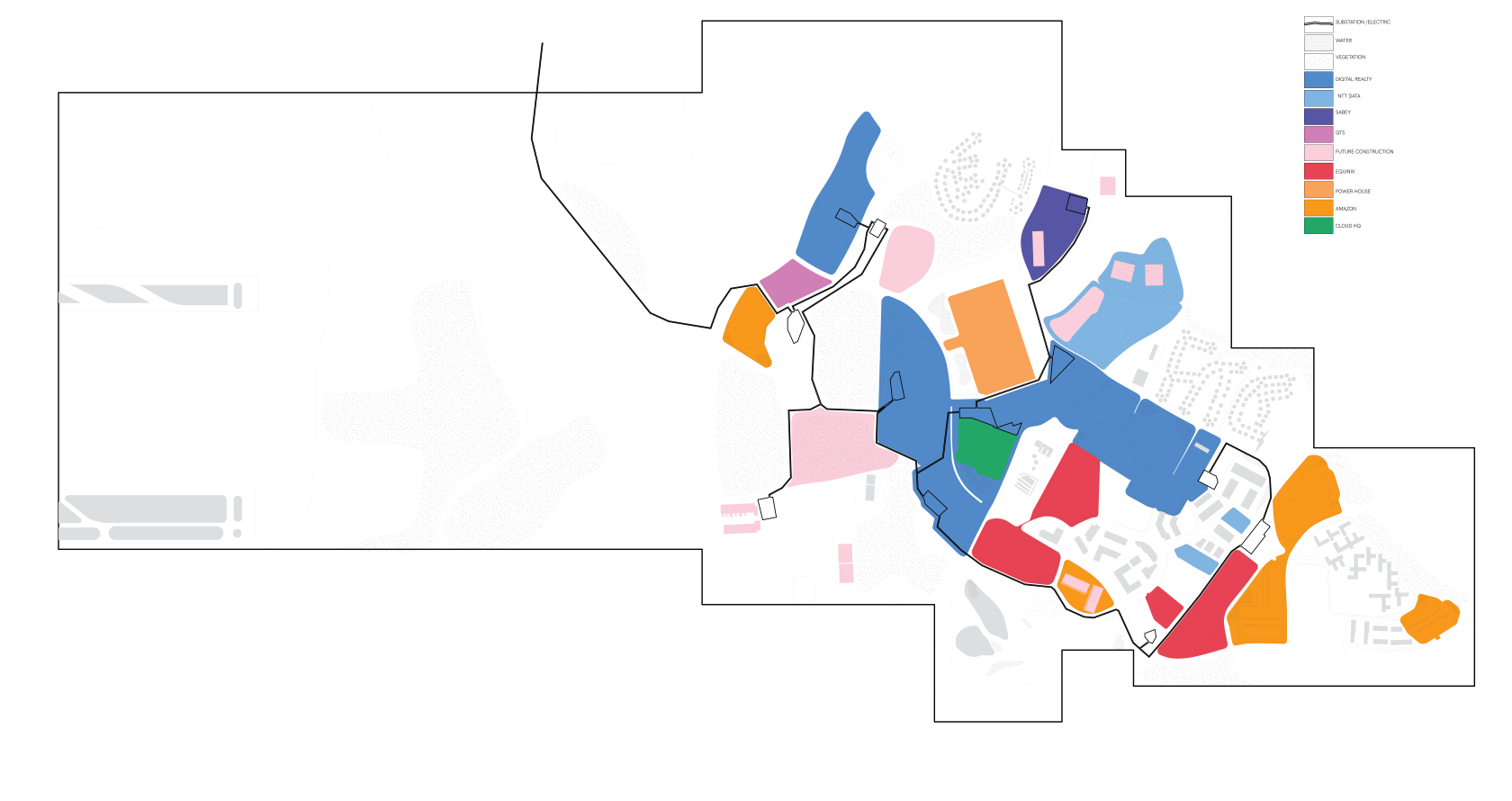](https://hydraulogistics.at/uploads/images/gallery/2025-09/scaled-1680-/company.png)
# DIGITAL REALTY: Territorial Expansion
## Territorial Expansion
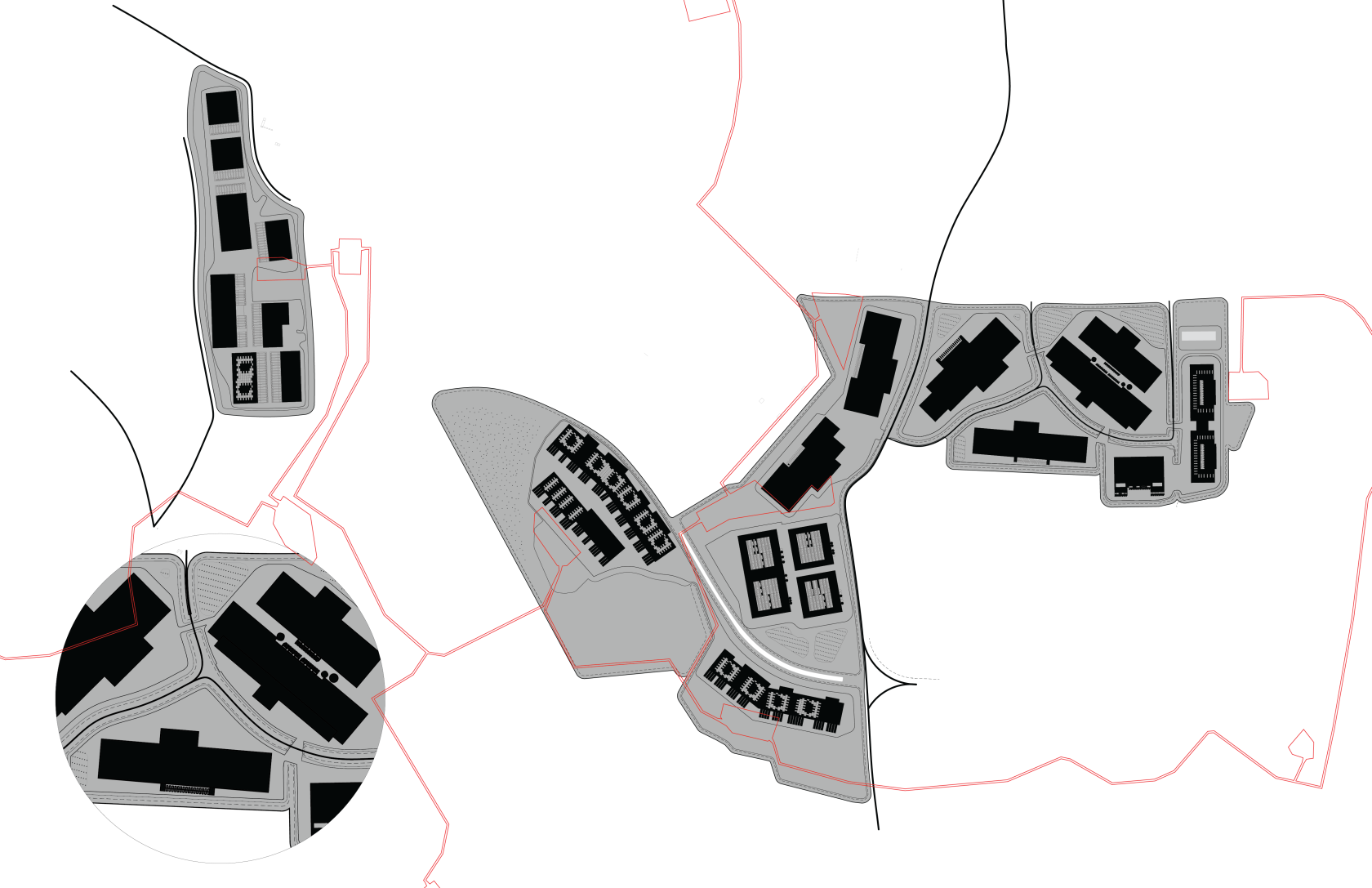
Digital Realty’s Ashburn campus spans ~98 acres, strategically assembled over two decades. Their expansion strategy is land banking: purchasing large contiguous parcels zoned PD-IP (Planned Development–Industrial Park), ensuring they control enough ground for both immediate data halls and future growth. This gives them spatial leverage against competitors (Amazon, Equinix) by preventing fragmentation. Expansion happens in phases. They build one or two powered-base buildings, leave adjacent pads vacant, and then develop when demand rises. This phased growth means their footprint is never static: land is occupied as **potential** as much as present use.
[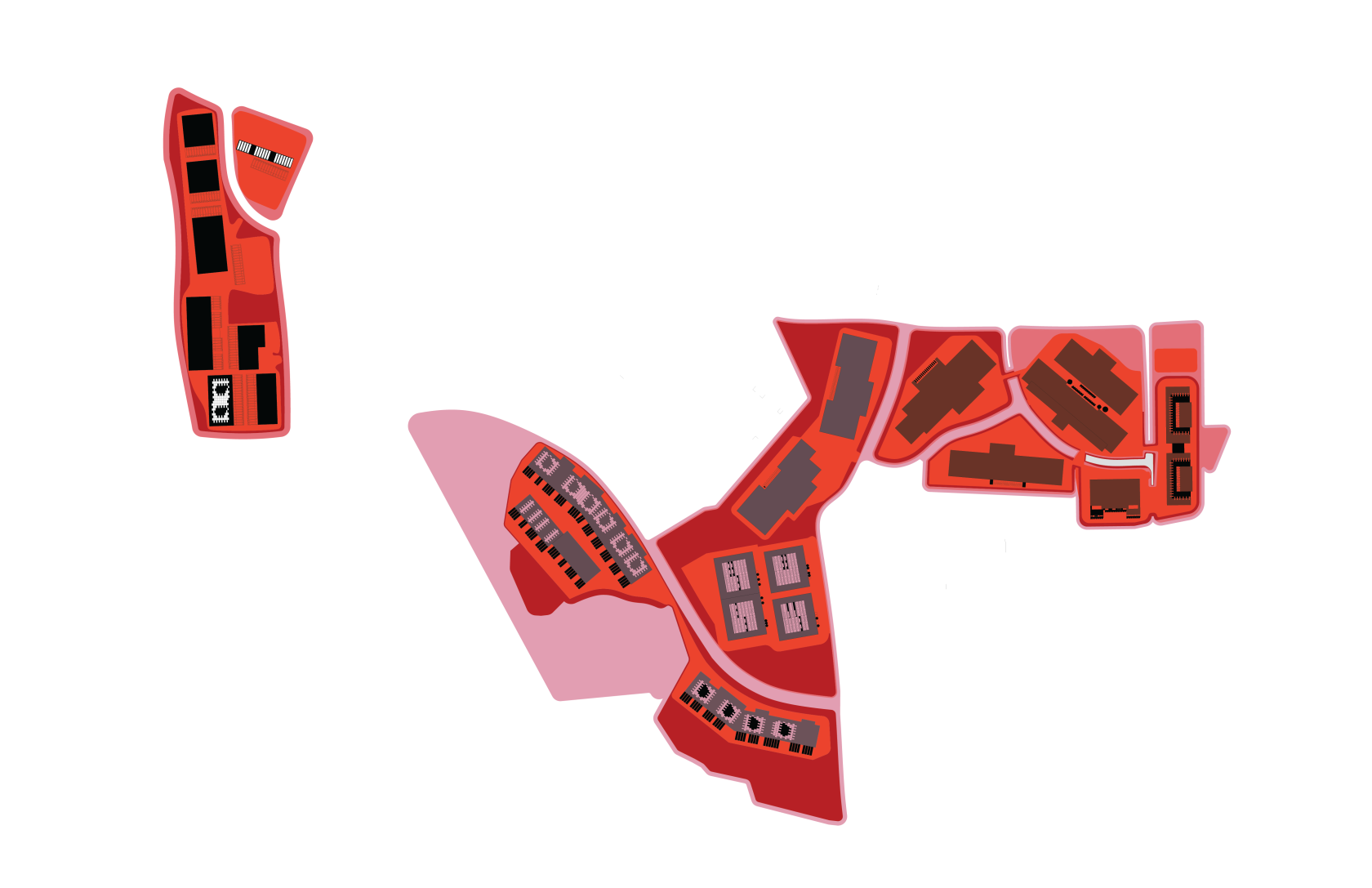](https://hydraulogistics.at/uploads/images/gallery/2025-09/scaled-1680-/color-03.png)
### Extension of Typology
Each Digital Realty site is not just a shed but a networked assemblage. Around the core parameter (the server hall) sits the **extension**: electrical substations (like the Greenway and Enterprise substations), cooling yards, stormwater ponds, duct banks, and access roads. These infrastructures sprawl beyond the “box,” tripling the effective land consumed. The extensions also link multiple buildings into a campus ecology. For example, IAD35’s mechanical systems can backstop IAD37, allowing redundancy across the property. This creates a landscape where the perimeter fence is misleading: the real functional footprint sprawls into adjacent parcels and utility corridors.
[](https://hydraulogistics.at/uploads/images/gallery/2025-09/scaled-1680-/color-04.png)
[![INTERACTION [Converted].png](https://hydraulogistics.at/uploads/images/gallery/2025-09/scaled-1680-/interaction-converted.png)](https://hydraulogistics.at/uploads/images/gallery/2025-09/scaled-1680-/interaction-converted.png)
Edge Condition
When data centers edge against residential suburbs, the zoning code itself becomes an architectural provocateur. Setback and buffer requirements....such as Loudoun County’s mandates for 35- to 50-foot building setbacks, 25-foot parking setbacks, and enhanced buffers including six-foot berms with landscaping do more than regulate distance; they dictate the perimeter’s spatial language. Instead of transparent façades or civic edges, the code enforces a design strategy of withdrawal: the building recedes from the street, its mass masked by earthworks, fences, and rows of trees. What emerges is not an architecture of presence but of concealment, a suburban infrastructural sublime in which the shed is hidden yet monumental.
# Concluding Remarks
#### **After mapping the typologies in Ashburn, Virginia, we began to speculate on how these hybrid forms might propagate into future developments or adapt to different sites, functions, and scales. It is crucial to analyze them as particularized objects—almost like entries in an animal book—so that we can emphasize their relational qualities: how each interacts with its immediate surroundings, while also participating in an aerial, mega-scalar system that is largely devoid of the human. To meaningfully engage these types and classify them, they must be approached as entities with their own independent autonomy, perhaps even a form of sovereignty, carrying a territorial presence that extends beyond conventional architectural categories.**