# Social Ecologies
Who bears the cost of the “digital cloud”?
# Depleting Water - Stanton Springs, GA
# Stanton Springs History Diagram
[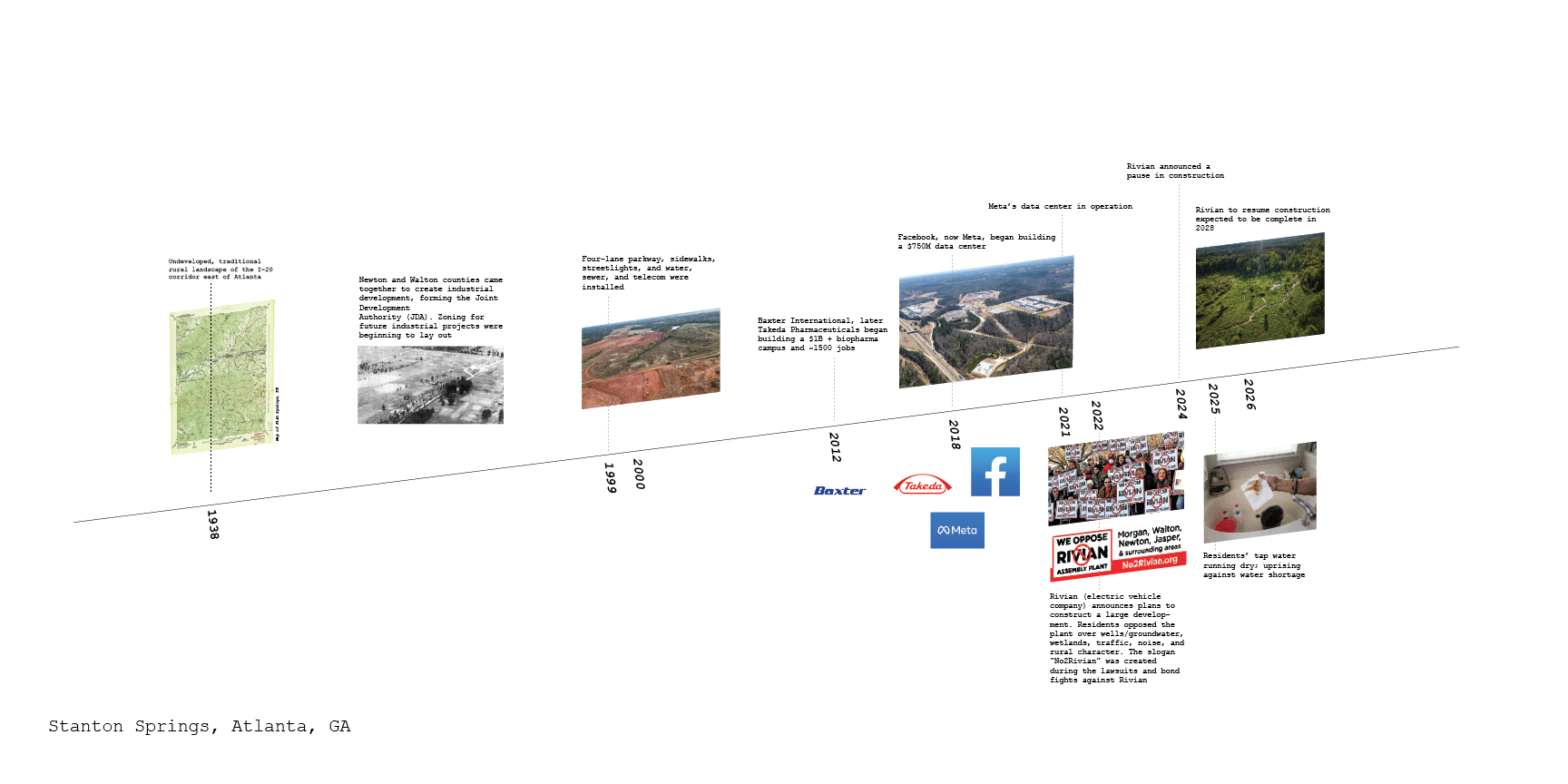](https://hydraulogistics.at/uploads/images/gallery/2025-09/scaled-1680-/artboard-3.png)
# Landscape Diagram
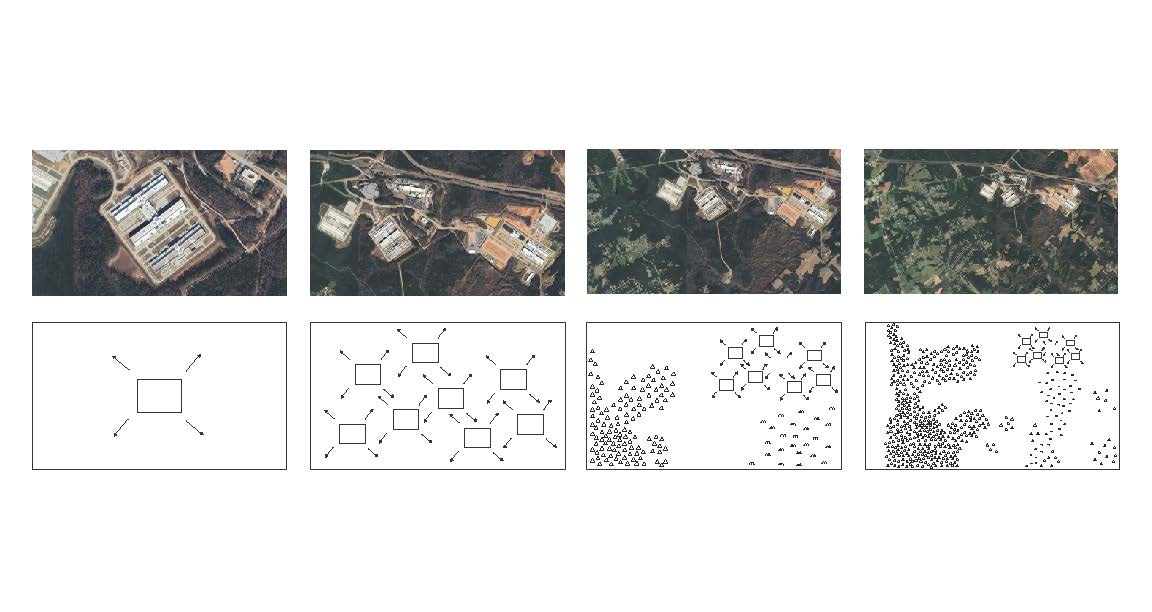[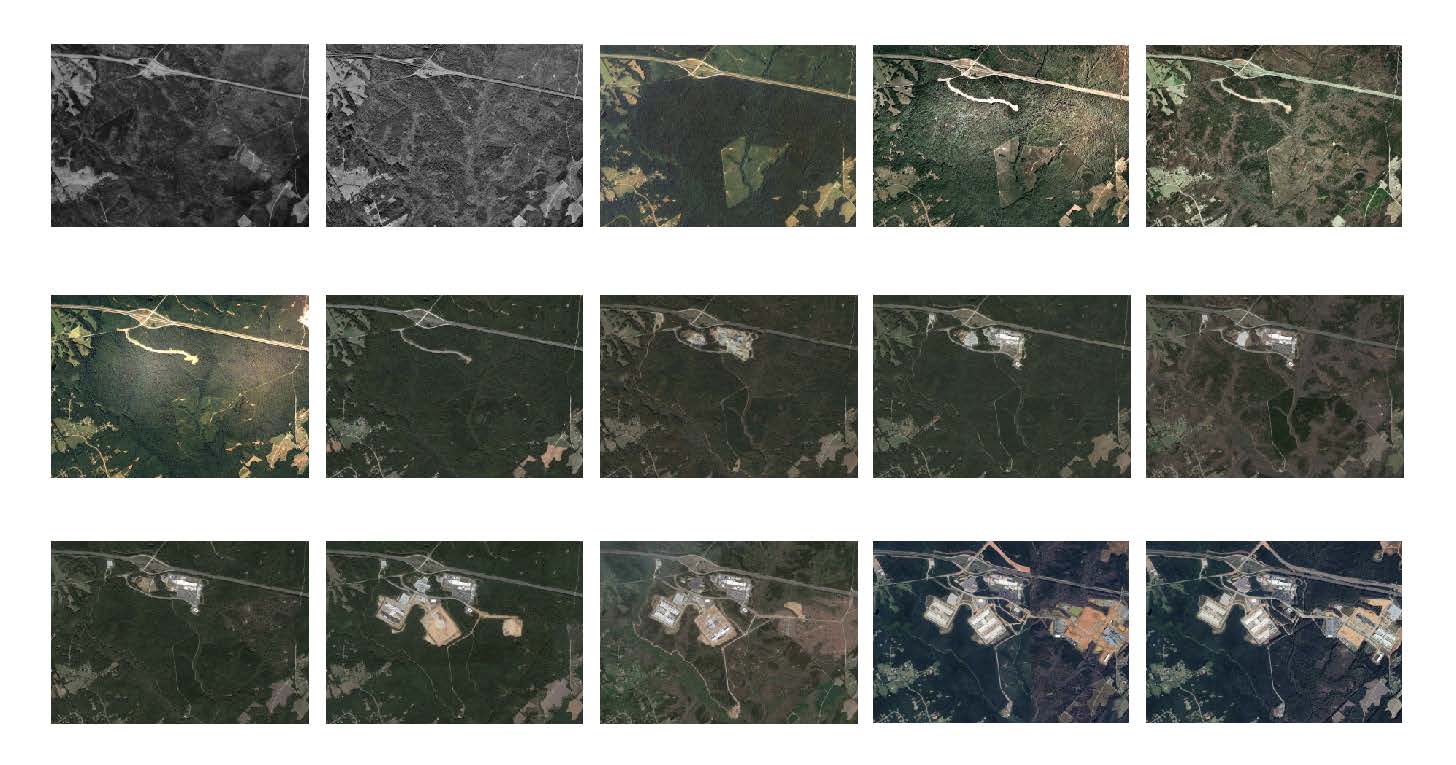](https://hydraulogistics.at/uploads/images/gallery/2025-09/scaled-1680-/stantonspring-diagram-2-page-2.jpg)
# Mapping Water Diagram
[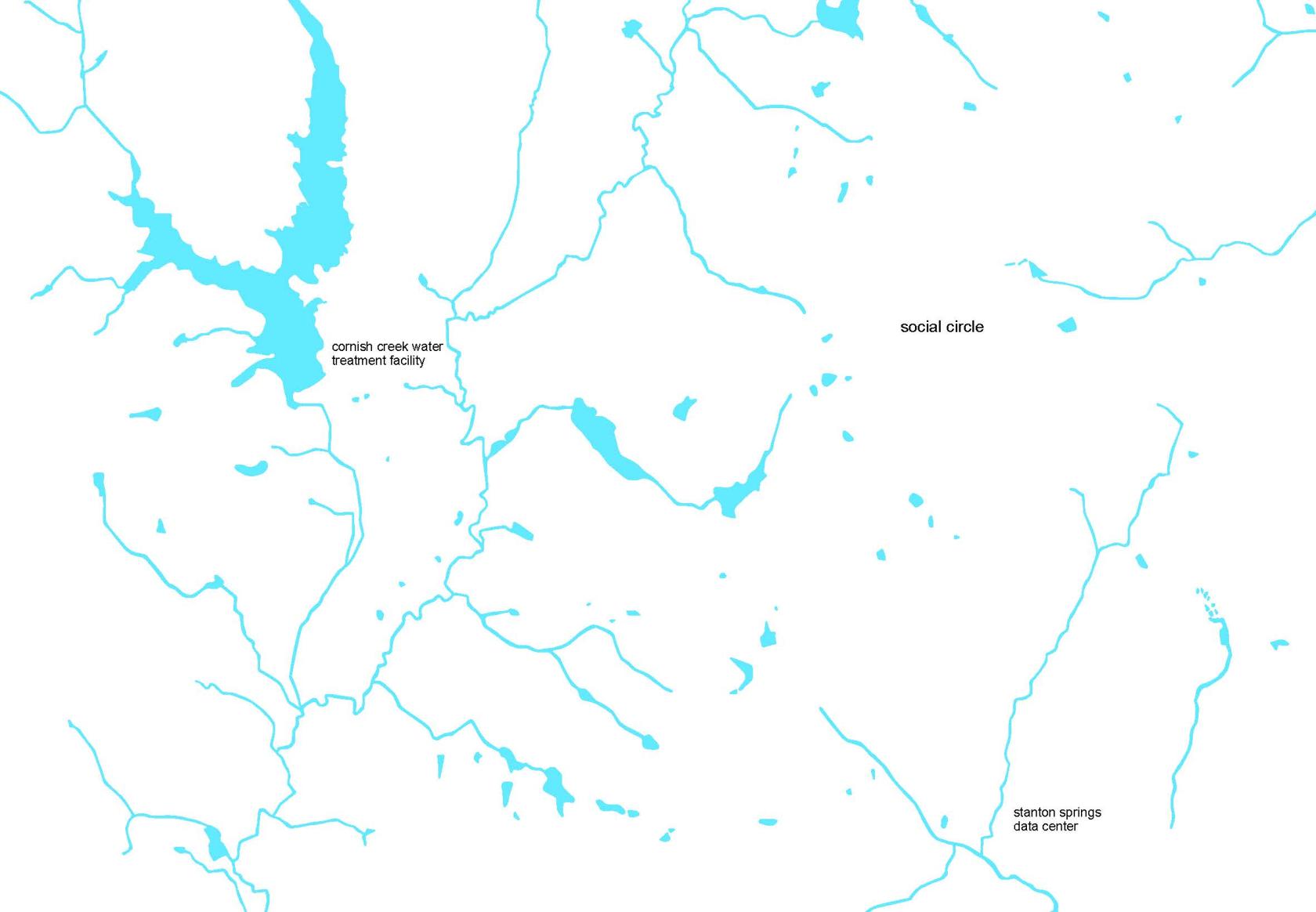](https://hydraulogistics.at/uploads/images/gallery/2025-09/scaled-1680-/waterdiagram.jpg)
# Pollution by Design - Memphis, TN
# Boxtown History Diagram
[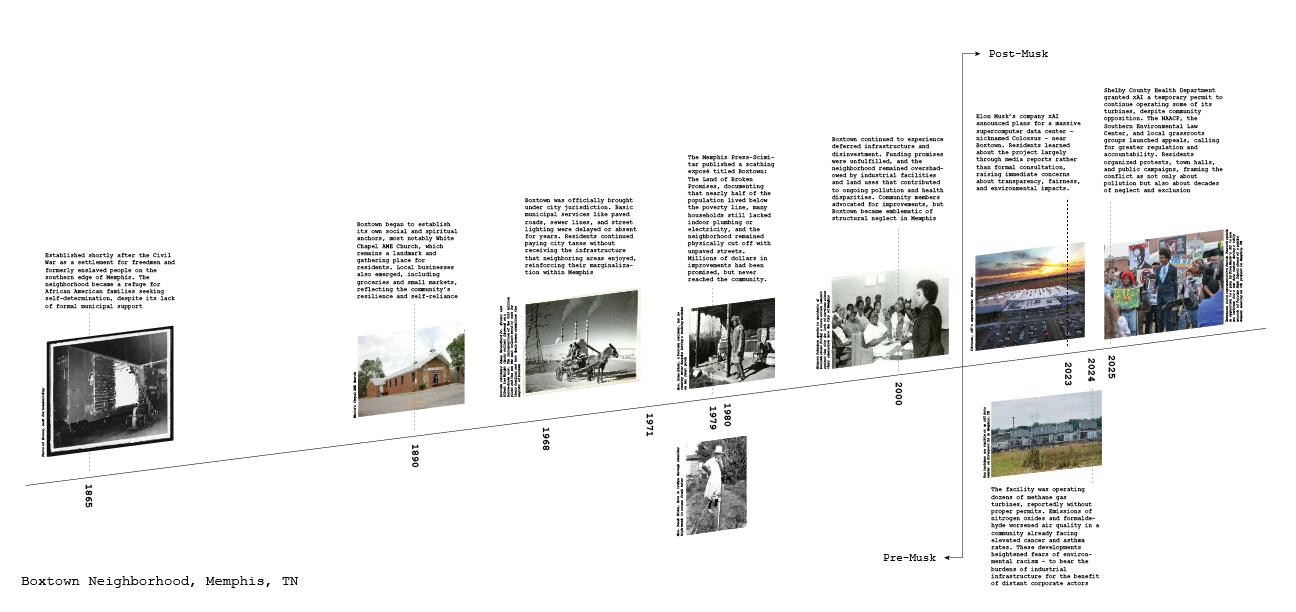](https://hydraulogistics.at/uploads/images/gallery/2025-09/scaled-1680-/bF3boxtown-timeline.png)
#### **Boxtown Neighborhood, Memphis, TN: From Founding to Elon Musk xAI**
##### Pre-Musk
1865 - Founding of Boxtown
Established shortly after the Civil War as a settlement for freedmen and formerly enslaved people on the southern edge of Memphis. The neighborhood became a refuge for African American families seeking self-determination, despite its lack of formal municipal support.

**Boxcar, used for homebuilding**
1890 - Community Institutions
Boxtown began to establish its own social and spiritual anchors, most notably White Chapel AME Church, which remains a landmark and gathering place for residents. Local businesses also emerged, including groceries and small markets, reflecting the community’s resilience and self-reliance
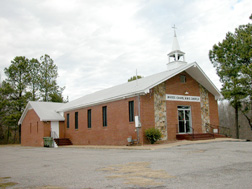
**White's Chapel AME Church**
1968 - 1971 - Annexation to Memphis
Boxtown was officially brought under city jurisdiction. Basic municipal services like paved roads, sewer lines, and street lighting were delayed or absent for years. Residents continued paying city taxes without receiving the infrastructure that neighboring areas enjoyed, reinforcing their marginalization within Memphis
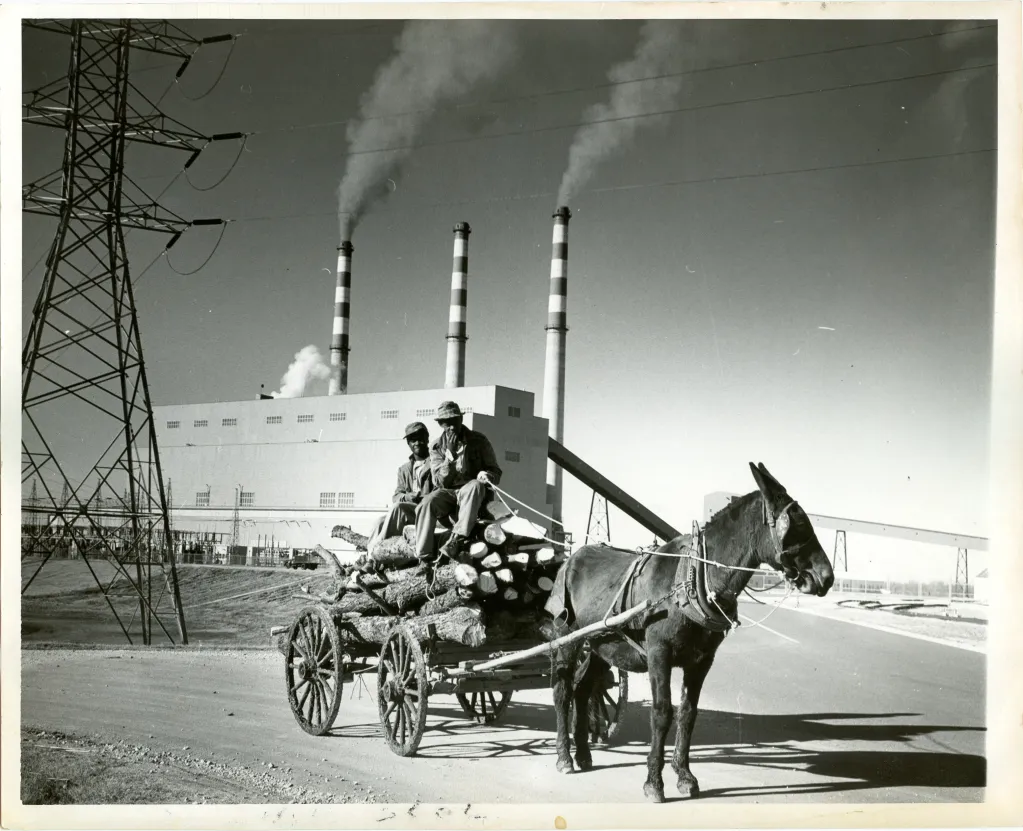
**Boxtown residents James Threadford Jr. (front) and Albert Lee Wright (back) collect firewood on a horse-drawn cart. The juxtaposition of the $123 million plant and the men who must collect wood to cook for their families and heat their homes symbolizes the neglect of Boxtown.**
1979 - "The Land of Broken Promises"
The **Memphis Press-Scimitar** published a scathing exposé titled **Boxtown**: **The Land of Broken Promises**, documenting that nearly half of the population lived below the poverty line, many households still lacked indoor plumbing or electricity, and the neighborhood remained physically cut off with unpaved streets. Millions of dollars in improvements had been promised, but never reached the community.
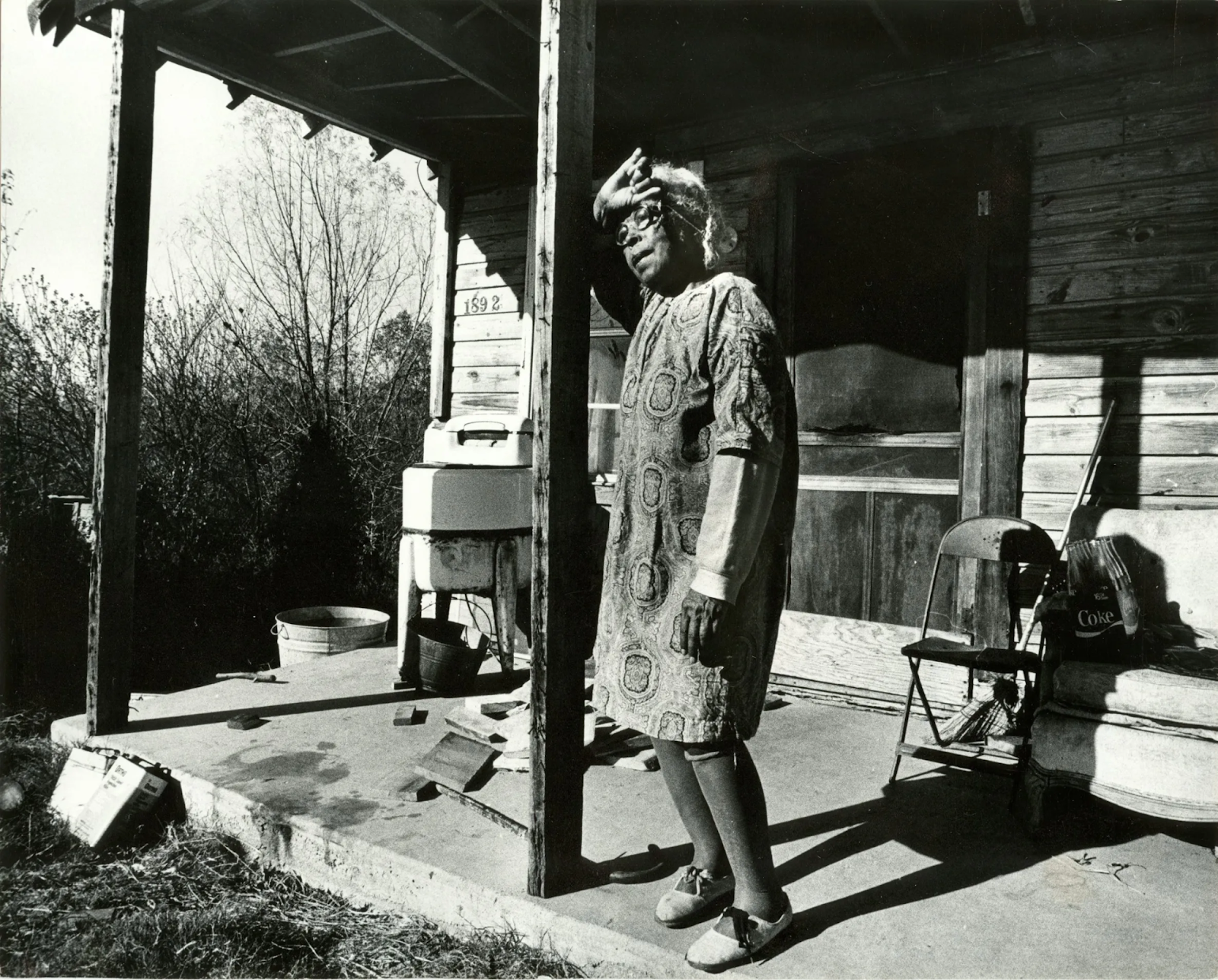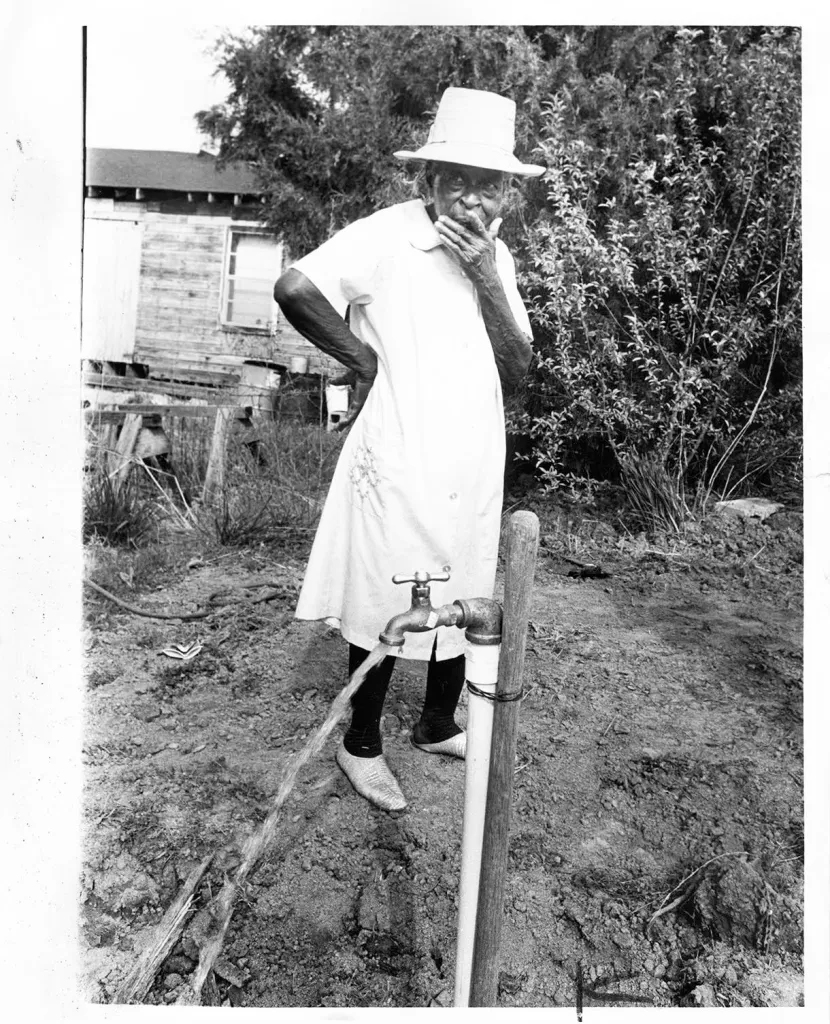
**November 5, 1979. Mrs. Alma Adams (left), a Boxtown resident, has no running water despite having a washing machine on her front porch. Mrs. Pearl Nixon (right) has to trudge through shoulder-high weeds to access fresh water.**
1980s-2000s - Deferred Improvements and Disinvestment
Boxtown continued to experience deferred infrastructure and disinvestment. Funding promises were unfulfilled, and the neighborhood remained overshadowed by industrial facilities and land uses that contributed to ongoing pollution and health disparities. Community members advocated for improvements, but Boxtown became emblematic of structural neglect in Memphis
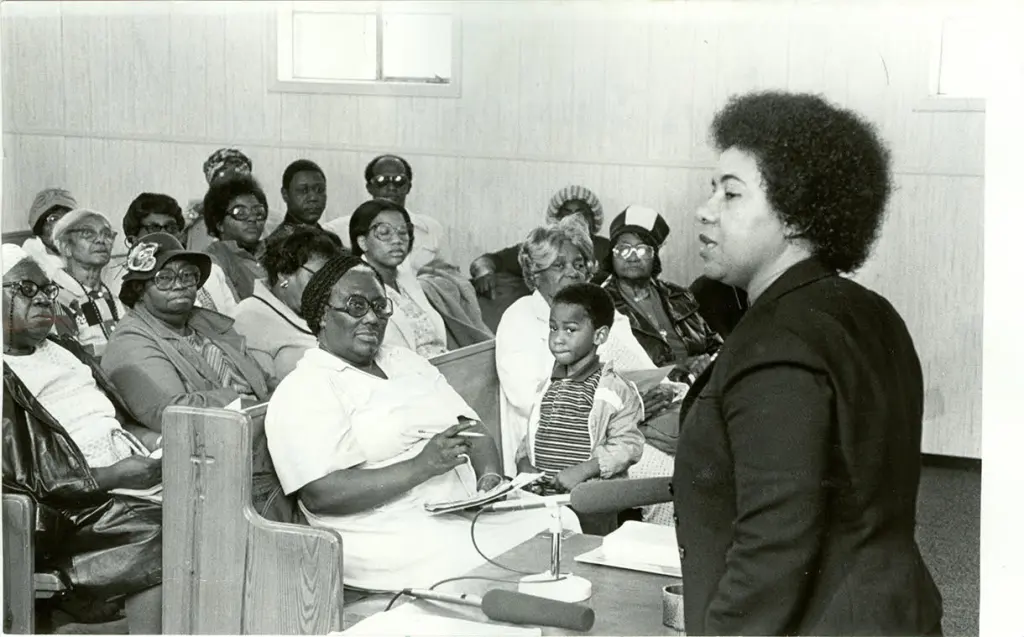
**April, 1980. Minerva Johnican speaks to residents of Boxtown about filing a class action lawsuit against the city for lack of services since their annexation into the City of Memphis.**
##### Post-Musk
2023 - Arrival of xAI
Elon Musk’s company xAI announced plans for a massive supercomputer data center – nicknamed **Colossus** – near Boxtown. Residents learned about the project largely through media reports rather than formal consultation, raising immediate concerns about transparency, fairness, and environmental impacts.
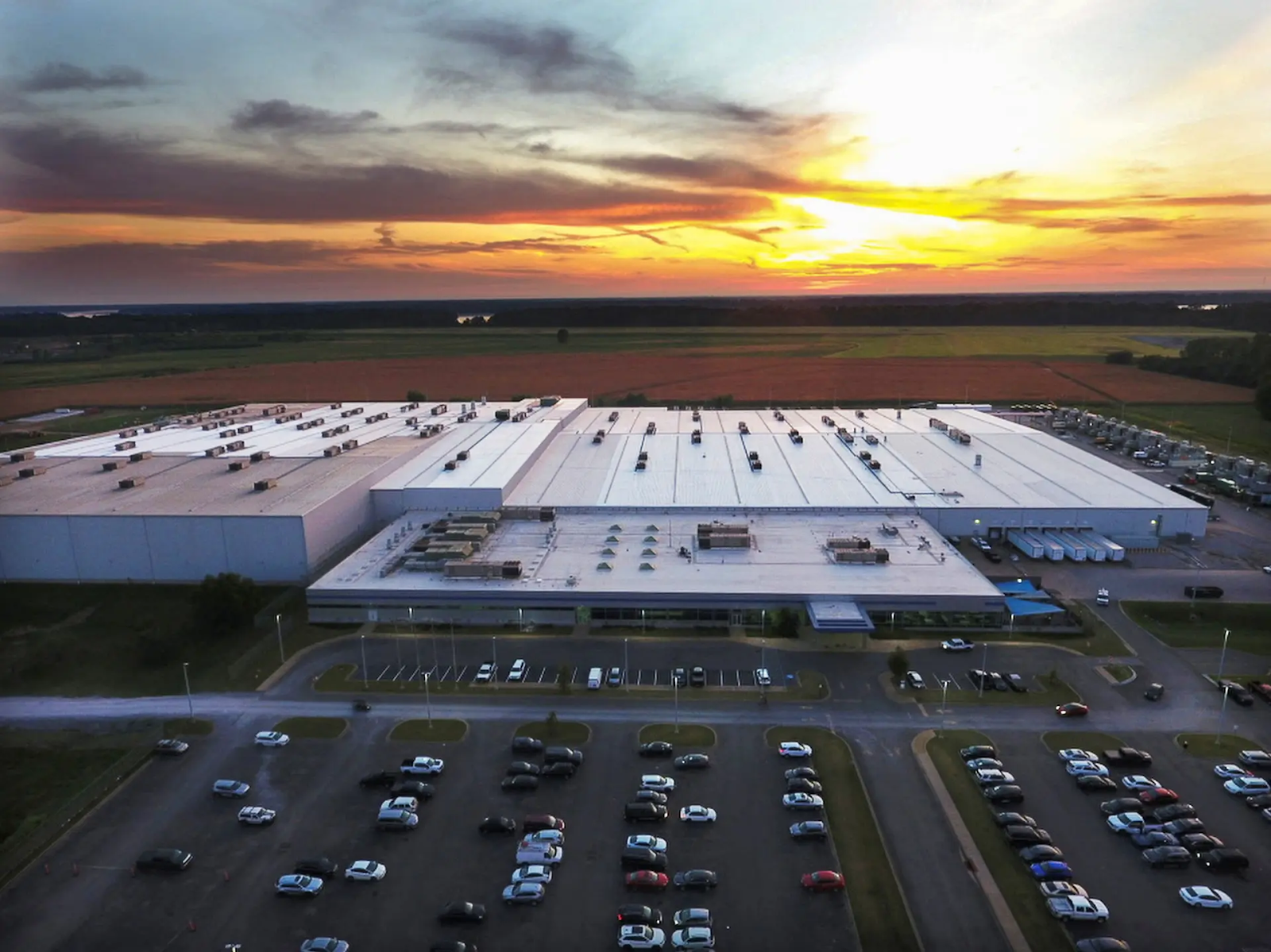
**Colossus, xAI’s supercomputer data center**
2024 - Air and Water Concerns
The facility was operating dozens of methane gas turbines, reportedly without proper permits. Emissions of nitrogen oxides and formaldehyde worsened air quality in a community already facing elevated cancer and asthma rates. These developments heightened fears of environmental racism – a predominantly Black, historically neglected neighborhood was being asked to bear the burdens of industrial infrastructure for the benefit of distant corporate actors. Manufacturer-supplied emissions data for these turbines show that xAI emits between 1,200 and 2,000 tons of smog-forming nitrogen oxides (NOx) per year (Equivalent NOₓ of ~150k–250k passenger cars per year) and draws up to 1 million gallons of water per day from the Memphis Sand Aquifer, the region's primary drinking water source, an older, naturally filtered groundwater reserve.

**Gas turbines are visible at an xAI data center on Riverport Rd in Memphis, TN**
2025 - Permits, Protests, and Legal Battles
Shelby County Health Department granted xAI a temporary permit to continue operating some of its turbines, despite community opposition. The NAACP, the Southern Environmental Law Center, and local grassroots groups launched appeals, calling for greater regulation and accountability. Residents organized protests, town halls, and public campaigns, framing the conflict as not only about pollution but also about decades of neglect and exclusion
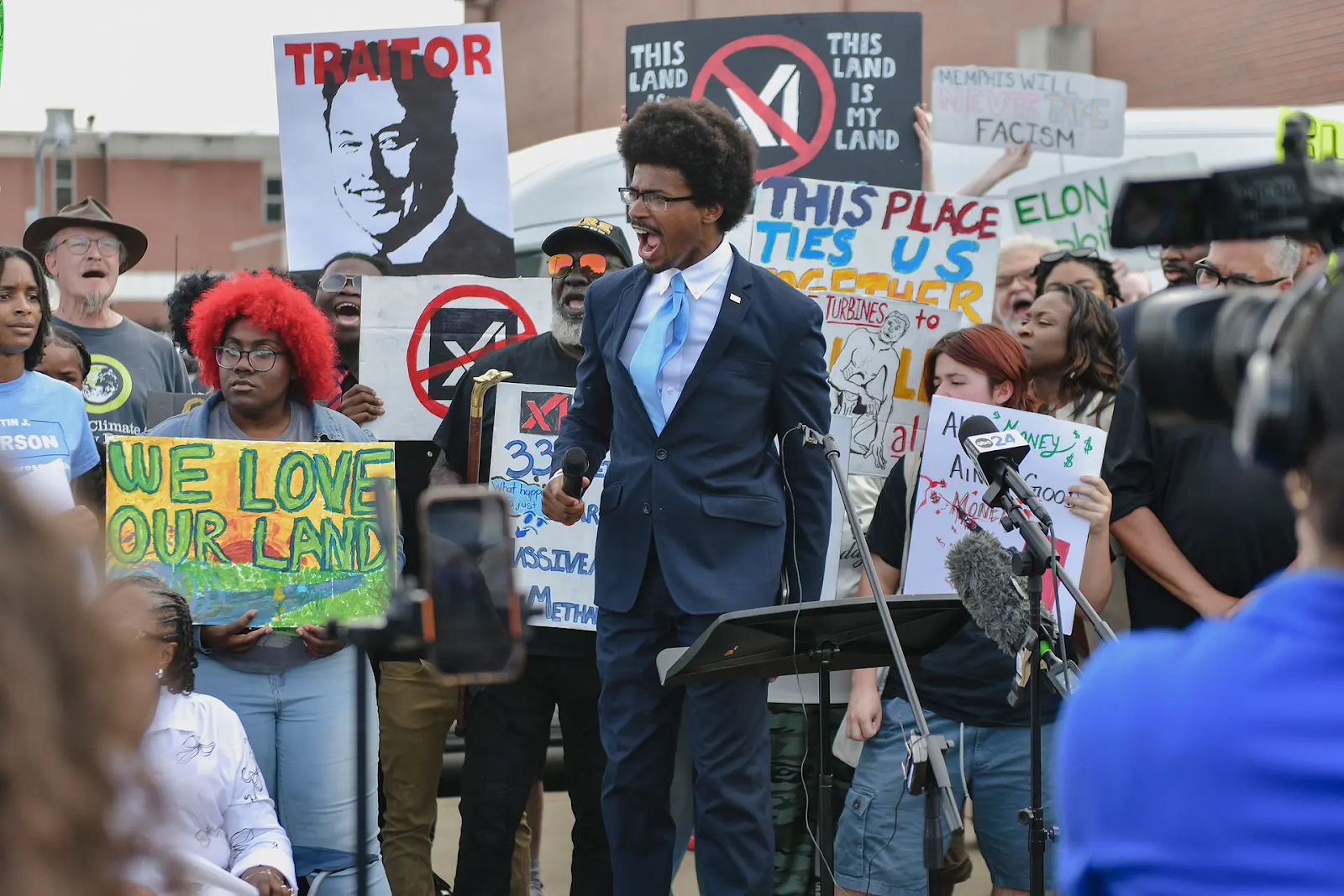
**Tennessee state representative Justin Pearson speaks in opposition to a plan by Elon Musks's xAI to use gas turbines for a new data center during a rally outside of Fairley High School ahead of a public comment meeting on the project in Memphis, TN**
# Greenhouse Gas Emissions Diagram
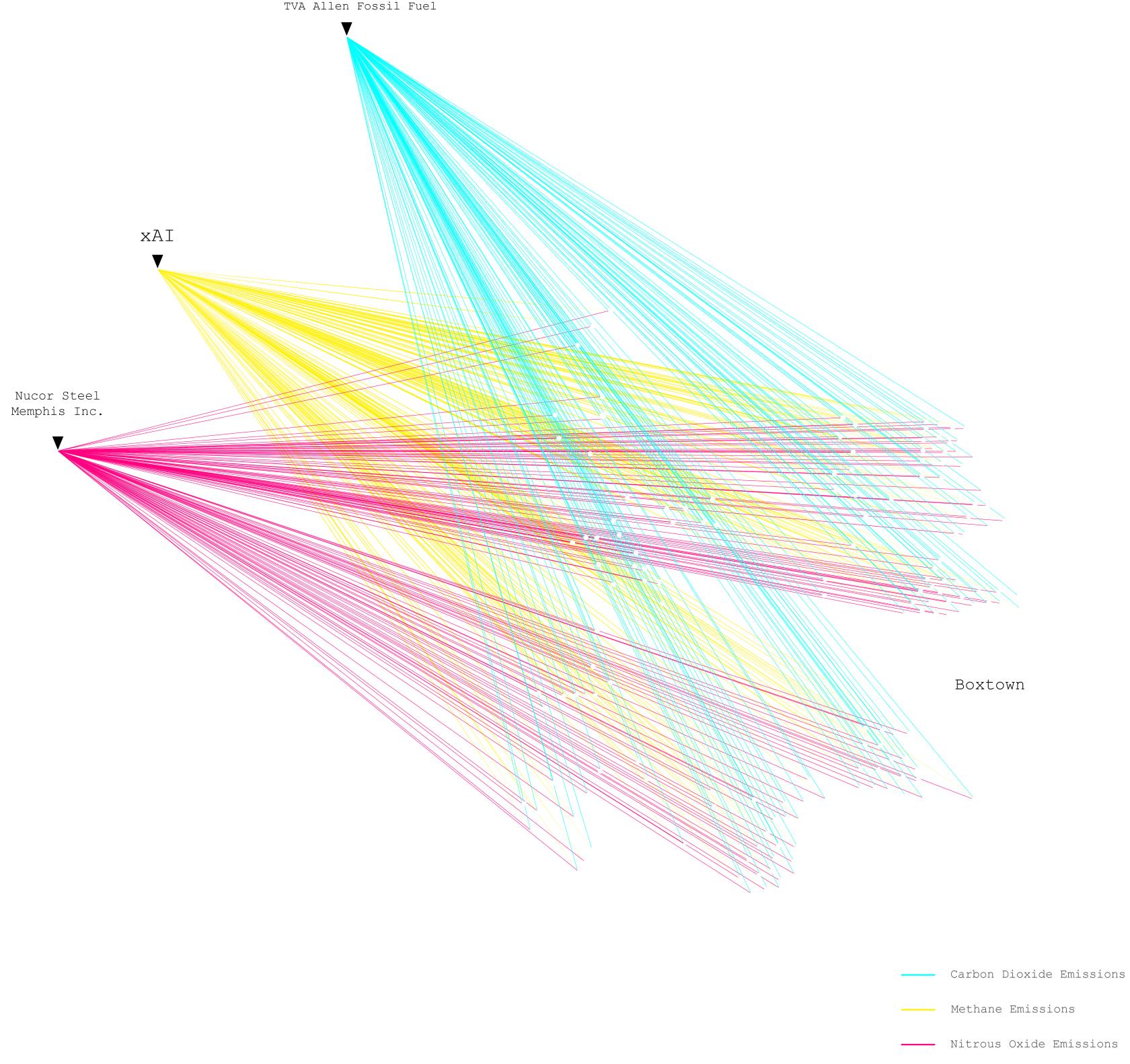
# Main Takeaways
##### **Boxtown and xAI's Colossus Data Center - Social Impact of Data Centers**
***Historical Neglect Shapes Present Vulnerability***
Bowtown's long history of underinvestment, from delayed municipal services to broken infrastructure promises, created conditions where the community is structurally less able to resist or negotiate industrial development. Likewise, data center siting doesn't happen in a vacuum; it tends to target places with lower political power, cheaper land, and weaker infrastructure defenses. The result is that residents pay a higher cumulative price, both historically and in the present.
***Environmental Racism and Burden Shifting***
Placing dozens of methane gas turbines in a predominantly Black neighborhood already dealing with elevated cancer and asthma rates exemplifies environmental racism. These facilities generate global benefits (training AI models for tech companies) but concentrate local harms (air pollution, noise, heat) in a community that does not share equally in those benefits.
***Regulatory and Procedural Injustice***
The speed and opacity with which the xAI project was permitted, including claims of "temporary" turbines that sidestepped standard air-quality permitting, demonstrated procedural injustice**.** Residents were not meaningfully included in decision-making, and much of the burden to investigate, protest, and legally challenge the project has fallen on community groups and nonprofits. This suggests that infrastructure decision-making processes favor industry over residents, a critical social dimension of data center development.
***Resource Competition and Public Risk***
xAI's heavy water draw from the Memphis Sand Aquifer and its delayed move toward greywater reuse highlight how data centers compete with local communities for scarce resources. This creates social conflict where people fear contamination of their drinking water or depletion of reserves, like we saw in Stanton Springs. Similarly, the use of on-site generation reflects a larger systemic problem: utilities cannot yet fully supply these massive loads without reshaping the grid, and that shaping may raise rates for everyone, including communities that already pay a high cost, as we are seeing in Ashburn, Virginia.
***Economic Development Promises***
Like many industrial projects, xAI promised jobs and investment. But data centers are notoriously low-employment operations relative to their size and impact. The social contract feels one-sided: residents receive most of the externalities (pollution, traffic, noise) but few of the benefits. This emphasizes that architecture and infrastructure must critically interrogate not just what is built, but for whom and at what cost.
**The ultimate takeaway is that data centers are not just technological infrastructure but are socio-political infrastructure. They shape who gets clean air, who gets affordable water, and who has to live next to polluting equipment. Raising questions like, how might design make these processes transparent? How might architecture intervene to redistribute benefits or mitigate harms? How could infrastructure be planned to include affected communities rather than displace or exploit them?**
# Powering the Cloud - Ashburn, VA
# Ashburn History Diagram
[](https://hydraulogistics.at/uploads/images/gallery/2025-09/scaled-1680-/K5menergy-history-diagram.jpg)
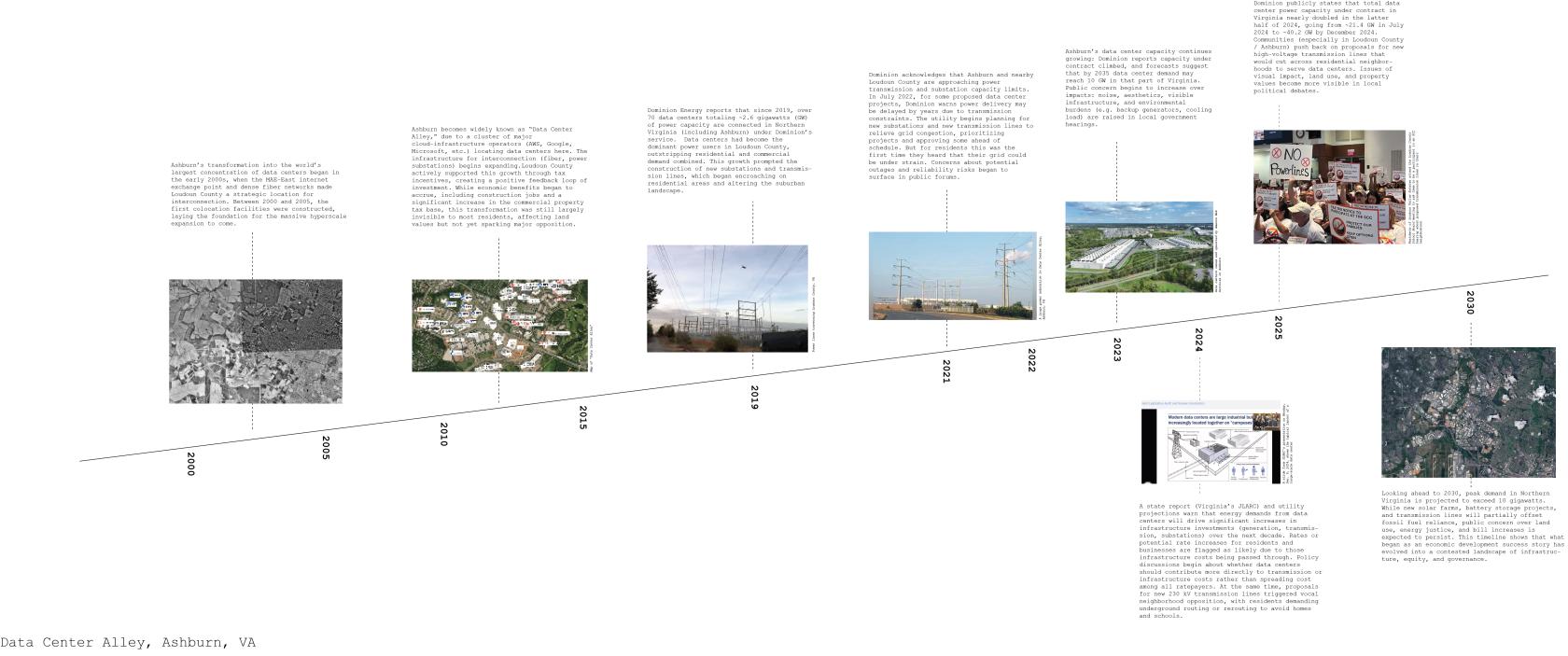
##### **"Data Center Alley" Ashburn, VA: Data Center Growth & Power Impacts**
2000
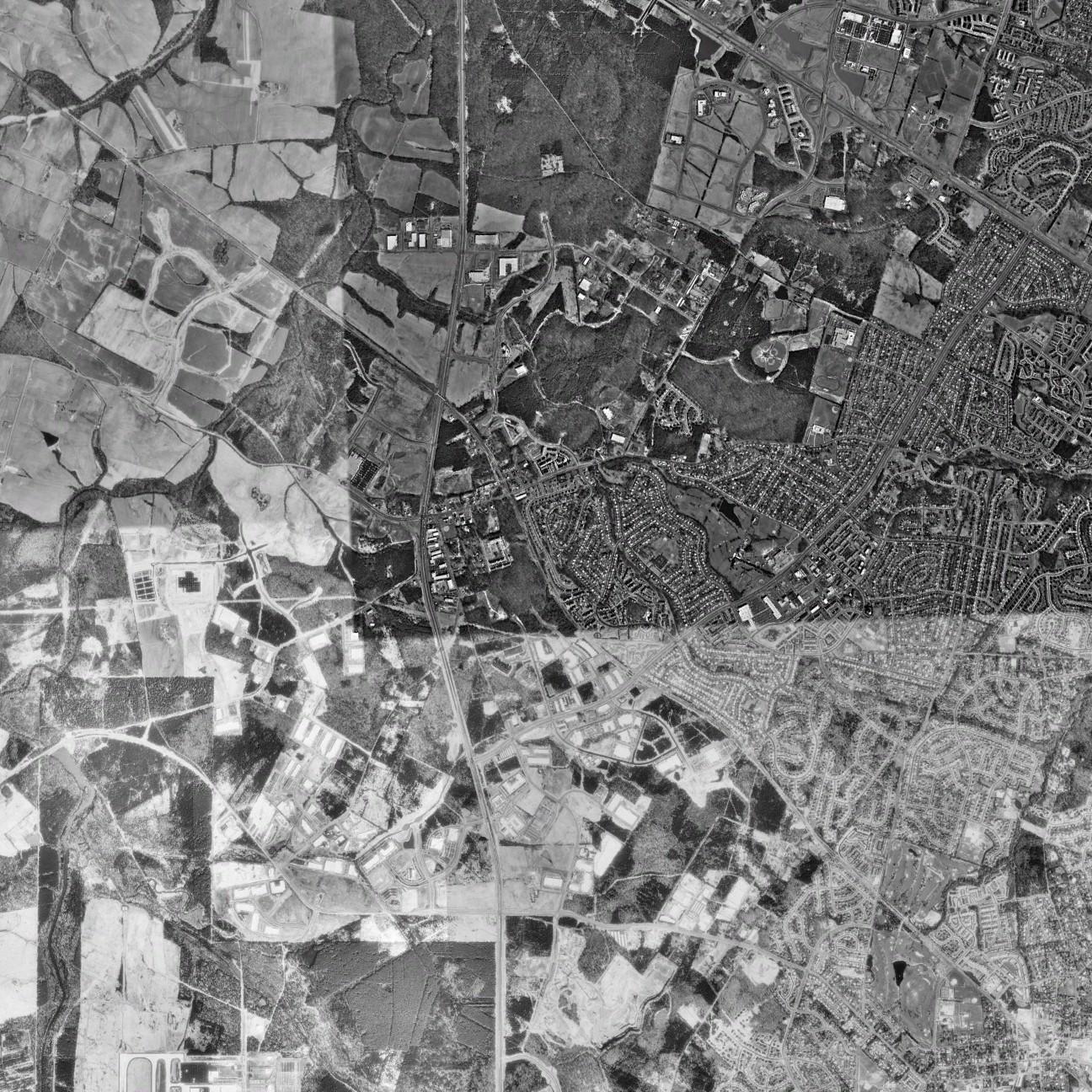
Ashburn’s transformation into the world’s largest concentration of data centers began in the early 2000s, when the MAE-East internet exchange point and dense fiber networks made Loudoun County a strategic location for interconnection. Between 2000 and 2005, the first colocation facilities were constructed, laying the foundation for the massive hyperscale expansion to come.
[](https://hydraulogistics.at/uploads/images/gallery/2025-09/scaled-1680-/fpTashburn-1998.jpg)
**2002 - Ashburn, VA**
2010-2015
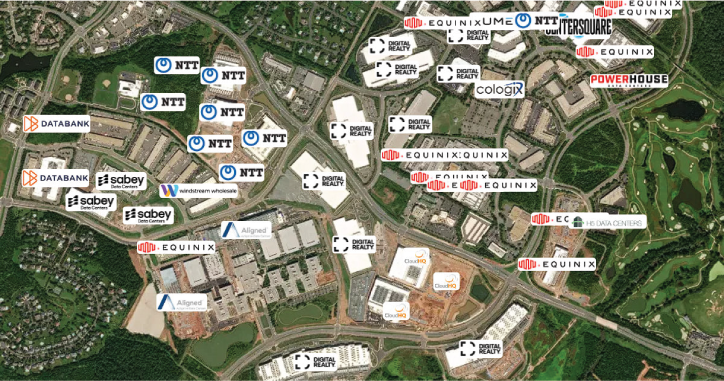
Ashburn becomes widely known as “Data Center Alley,” due to a cluster of major cloud-infrastructure operators (AWS, Google, Microsoft, etc.) locating data centers here. The infrastructure for interconnection (fiber, power substations) begins expanding. Loudoun County actively supported this growth through tax incentives, creating a positive feedback loop of investment. While economic benefits began to accrue, including construction jobs and a significant increase in the commercial property tax base, this transformation was still largely invisible to most residents, affecting land values but not yet sparking major opposition.
[](https://hydraulogistics.at/uploads/images/gallery/2025-09/RR1image.png)
**Map of Data Center Alley**
2019
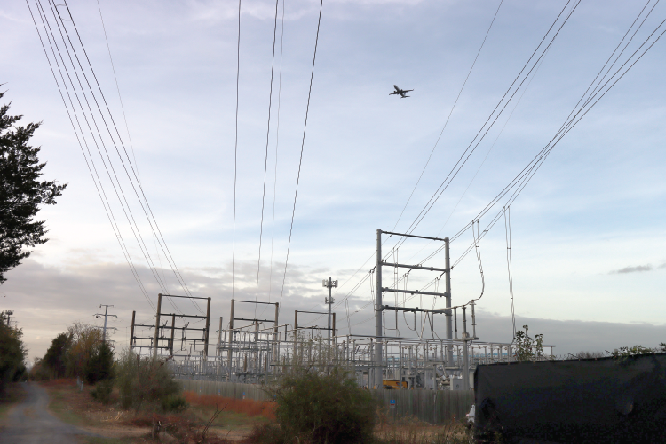
Dominion Energy reports that since 2019, over 70 data centers totaling ~2.6 gigawatts (GW) of power capacity are connected in Northern Virginia (including Ashburn) under Dominion’s service. Data centers had become the dominant power users in Loudoun County, outstripping residential and commercial demand combined. This growth prompted the construction of new substations and transmission lines, which began encroaching on residential areas and altering the suburban landscape.
[](https://hydraulogistics.at/uploads/images/gallery/2025-09/RMqimage.png)
**Power lines traversing Loudoun County, VA**
2021-2022
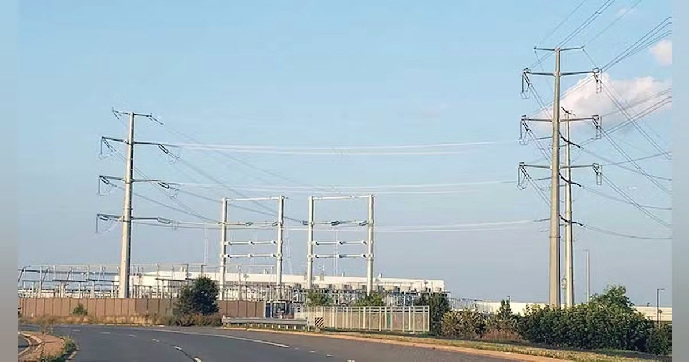
Dominion acknowledges that Ashburn and nearby Loudoun County are approaching power transmission and substation capacity limits. In July 2022, for some proposed data center projects, Dominion warns power delivery may be delayed by years due to transmission constraints. The utility begins planning for new substations and new transmission lines to relieve grid congestion, prioritizing projects and approving some ahead of schedule. But for residents, this was the first time they heard that their grid could be under strain. Concerns about potential outages and reliability risks began to surface in public forums.
[](https://hydraulogistics.at/uploads/images/gallery/2025-09/n2ximage.png)
**A large power substation in Data Center Alley, Ashburn, VA**
2023
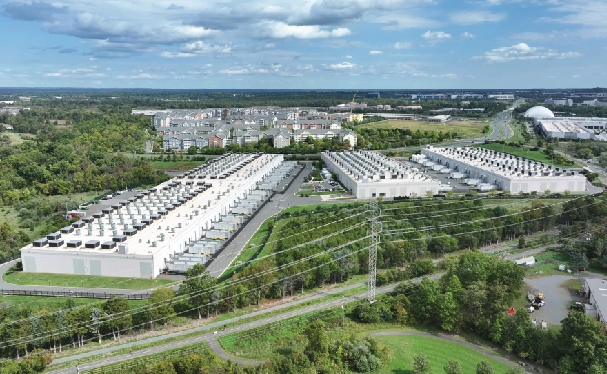
Ashburn’s data center capacity continues growing: Dominion reports capacity under contract climbed, and forecasts suggest that by 2035 data center demand may reach 10 GW in that part of Virginia. Public concern begins to increase over impacts: noise, aesthetics, visible infrastructure, and environmental burdens (e.g., backup generators, cooling load) are raised in local government hearings.
[](https://hydraulogistics.at/uploads/images/gallery/2025-09/t1Mimage.png)
**Data centers owned and operated by Amazon Web Services in Ashburn**
2024
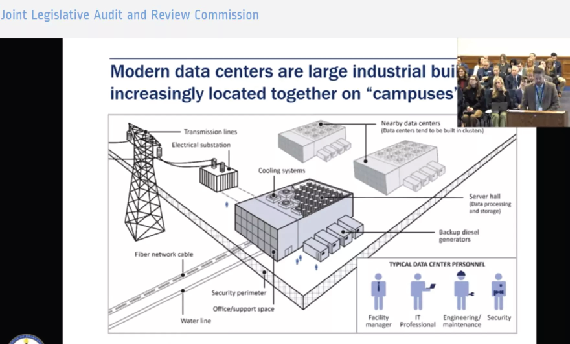
A state report (Virginia’s JLARC) and utility projections warn that energy demands from data centers will drive significant increases in infrastructure investments (generation, transmission, substations) over the next decade. Rates or potential rate increases for residents and businesses are flagged as likely due to those infrastructure costs being passed through. Policy discussions begin about whether data centers should contribute more directly to transmission or infrastructure costs rather than spreading cost among all ratepayers. At the same time, proposals for new 230 kV transmission lines triggered vocal neighborhood opposition, with residents demanding underground routing or rerouting to avoid homes and schools.
[](https://hydraulogistics.at/uploads/images/gallery/2025-09/jkgimage.png)
**A slide from JLARC's presentation on Monday, Dec. 9, 2024, shows the typical layout of a large-scale data center**
2025
Dominion publicly states that total data center power capacity under contract in Virginia nearly doubled in the latter half of 2024, going from ~21.4 GW in July 2024 to ~40.2 GW by December 2024. Communities (especially in Loudoun County / Ashburn) push back on proposals for new high-voltage transmission lines that would cut across residential neighborhoods to serve data centers. Issues of visual impact, land use, and property values become more visible in local political debates.
[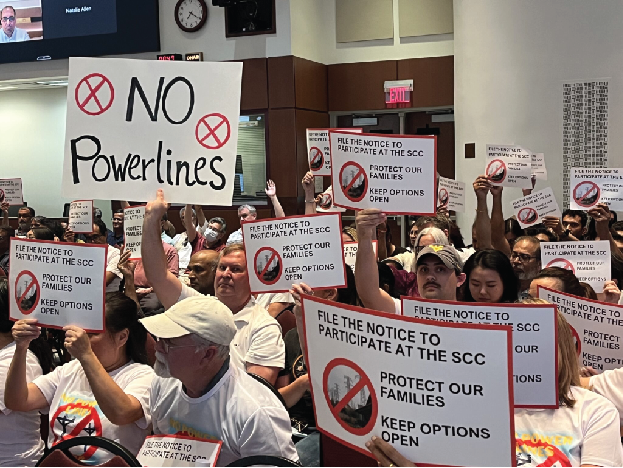](https://hydraulogistics.at/uploads/images/gallery/2025-09/mmyimage.png)
**Residents of Loudoun Valley Estates attend the Loudoun County School Board meeting to ask them to be a participant in an SCC hearing about proposed transmission lines in their neighborhood.**
2030
Looking ahead to 2030, peak demand in Northern Virginia is projected to exceed 10 gigawatts. While new solar farms, battery storage projects, and transmission lines will partially offset fossil fuel reliance, public concern over land use, energy justice, and bill increases is expected to persist. This timeline shows that what began as an economic development success story has evolved into a contested landscape of infrastructure, equity, and governance.
[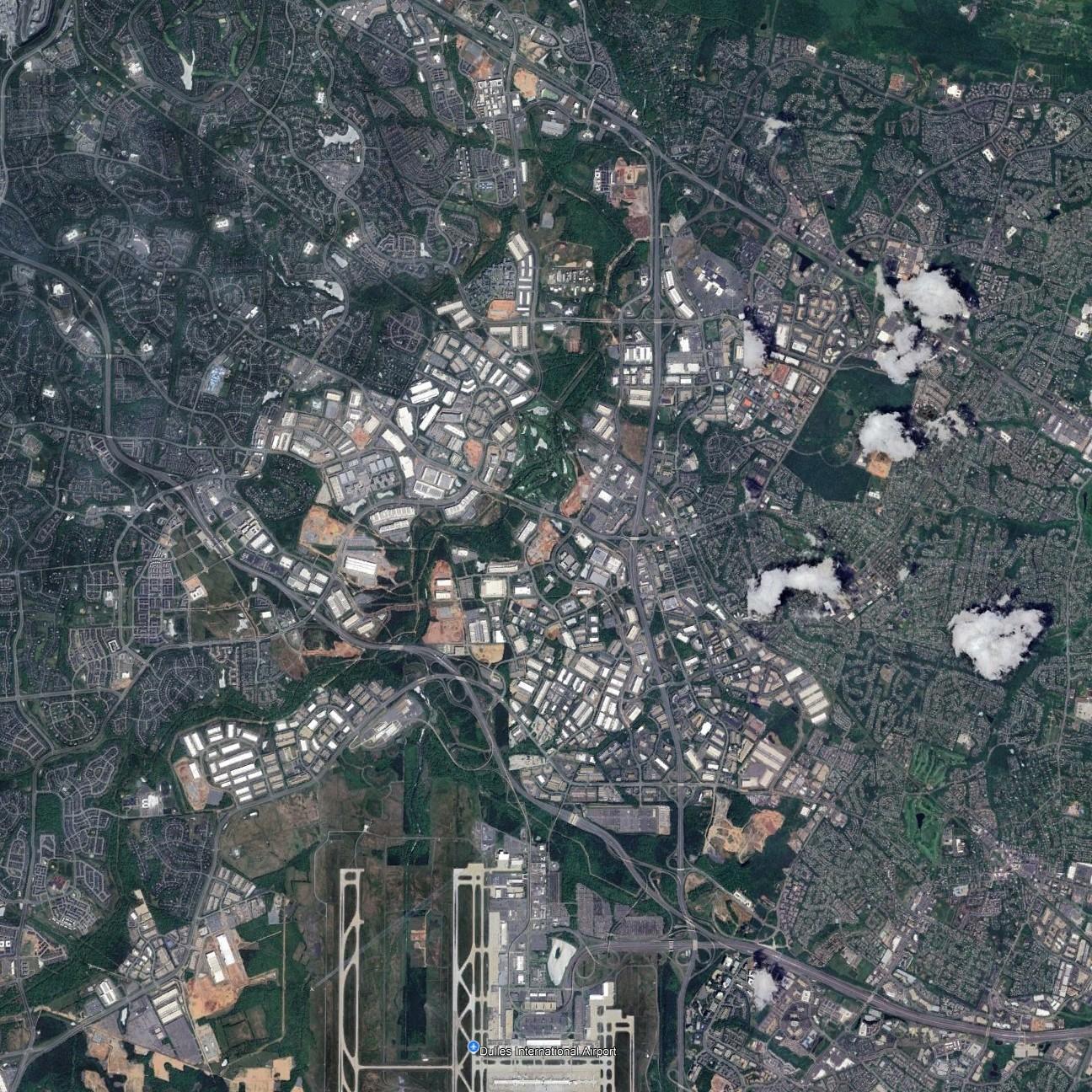](https://hydraulogistics.at/uploads/images/gallery/2025-09/scaled-1680-/ashburn-2025.jpg)
**Present day - Ashburn, VA**
# Layered Burden Diagram
[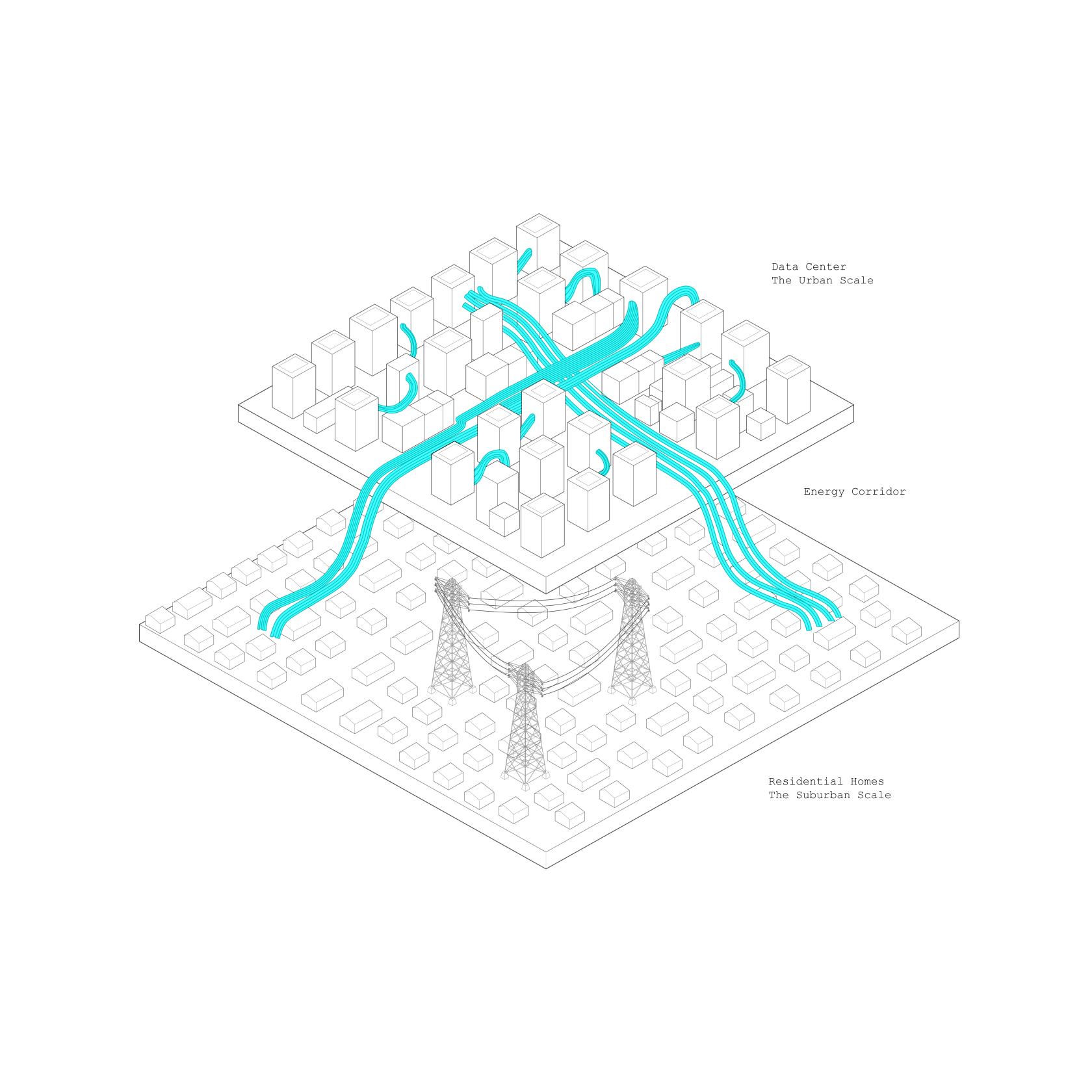](https://hydraulogistics.at/uploads/images/gallery/2025-09/scaled-1680-/aD0electrical-diagram.jpg)
# Main Takeaways
##### **Ashburn as the Data Center Capital—Analysis of Its Social Impact**
***Grid Strain and Reliability***
Ashburn's story illustrates the social consequences of concentrating the digital economy's physical infrastructure in a single place. What was once an invisible backbone of the internet has become a highly visible and politically charged infrastructure challenge. As Dominion acknowledged in 2021 and 2022, the area's transmission capacity is stretched thin, delaying projects and creating a sense of vulnerability for residents who fear outages during peak load events.
***Rising costs and Ratepayer burden***
Billions of dollars of new substations, transmission lines, and generation capacity must be built to serve hyperscale demand. Dominion's 2024 rate cases and proposals for new tariffs have brought the debate into public hearings, where the central question is whether households and small businesses should shoulder the cost of an industry that operates at a global scale. This is not just an economic question but a matter of fairness, making rate design a site of social conflict.
***Land-Use Conflicts***
Ashburn's transformation from farmland to "Data Center Alley" has been accompanied by a surge of high-voltage transmission projects. Residents are now organizing to fight transmission line routes near their homes, citing property value concerns, visual impact, and health anxieties. These fights illustrate how infrastructure expansion is experienced spatially, as something that changes the lived environment of suburban communities.
***Distribution of Benefits***
Data centers generate massive tax revenues for Loudoun County, but they create relatively few permanent jobs. The mismatch between the scale of resource consumption and the limited direct benefit to local households fuels a perception that residents are bearing the costs, from higher bills to altered landscapes, without seeing proportional returns.
***Governance Challenge***
State agencies, utilities, and local governments are now under pressure to develop new planning frameworks, cost allocation methods, and community engagement processes. Civic groups and neighborhood associations are increasingly involved, demanding transparency, mitigation measures, and, in some cases, limits on further growth.
**The ultimate takeaway in Ashburn is that the "cloud" is not weightless; it is anchored in a massive, resource-hungry infrastructure that transforms local landscapes, stresses electrical grids, and redistributes costs onto communities. What began as an economic development success story has crossed a threshold: data center growth is now driving structural changes in energy planning, utility economics, and land-use politics.**
# Proximity and Propinquity
# Proximity and Propinquity Diagram
[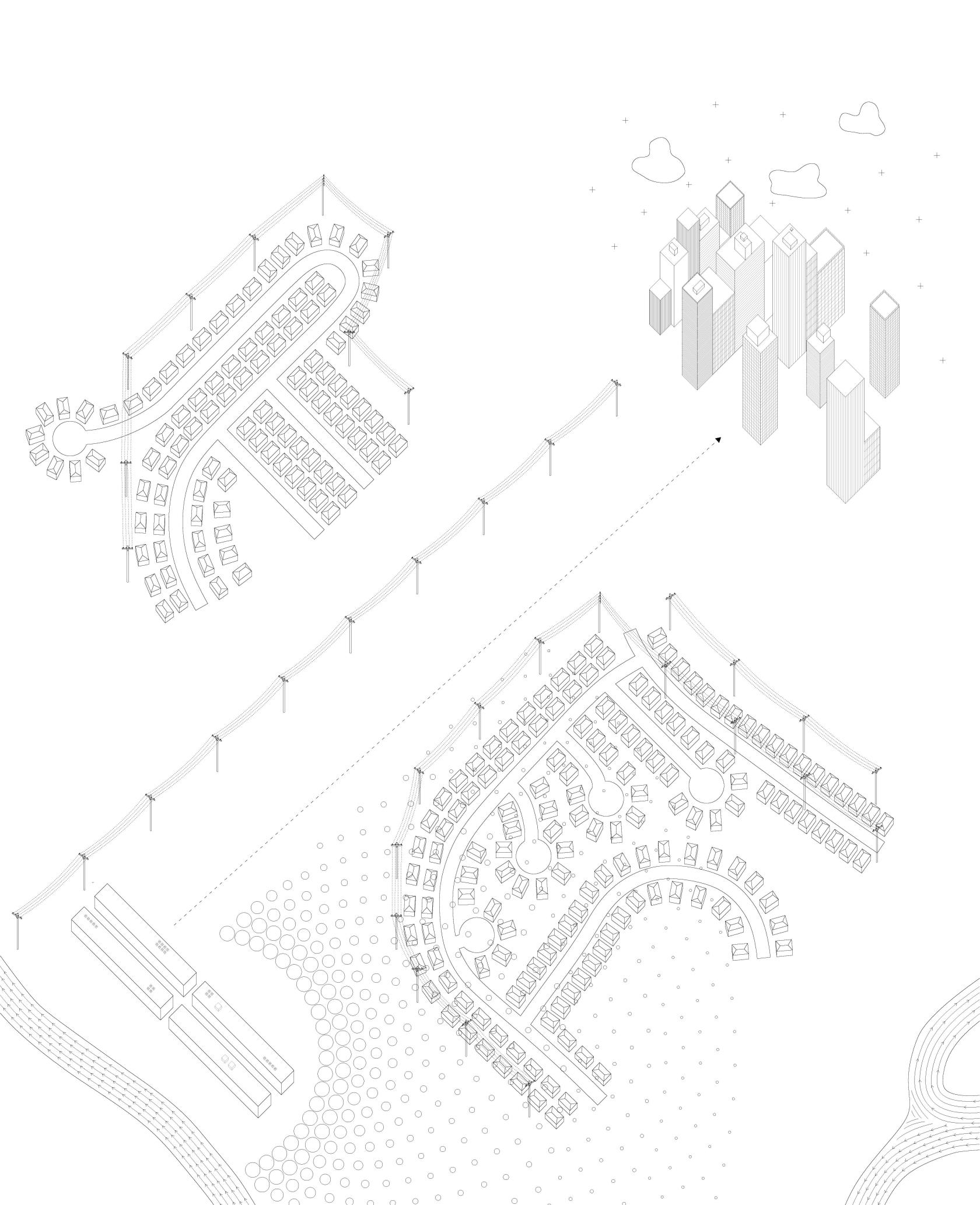](https://hydraulogistics.at/uploads/images/gallery/2025-09/scaled-1680-/final-diagram.jpg)
# Appendix
# Glossary
**Environmental Racism** - Disproportional exposure of minority populations and low-income communities to environmental hazards and poor environmental conditions, often resulting from intentional or unintentional policies, practices, and systemic biases.
**Procedural Injustice** - The perception that the processes used to make decisions are unfair, biased, or inconsistent, regardless of the outcome of those decisions.
**Peak Load** - The maximum power demand the facility experiences, typically occurring when cooling requirements are highest, often during the hottest parts of the day.
**Southern Environmental Law Center** - Non-profit, non-partisan organization that uses legal and policy expertise to protect the environment in the Southeastern United States. Founded in 1986, it serves as a leading defender of environmental protections in the region, focusing on issues such as clean air and water, wildlife and natural habitats, and sustainable land and transportation.
**NAACP** - National Association for the Advancement of Colored People, a prominent civil rights organization founded in 1909 that advocates for the political, educational, social, and economic equality of Black people in the United States.
# Sources
Depleting Water - Stanton Springs, GA
Pollution by Design - Memphis, TN
- [https://time.com/7308925/elon-musk-memphis-ai-data-center/](https://time.com/7308925/elon-musk-memphis-ai-data-center/)
- [https://www.wusf.org/2024-09-11/how-memphis-became-a-battleground-over-elon-musks-xai-supercomputer?](https://www.wusf.org/2024-09-11/how-memphis-became-a-battleground-over-elon-musks-xai-supercomputer?utm_source=chatgpt.com)
- [https://www.supportdemocracy.org/the-latest/preemption-courtnee-melton-fant?](https://www.supportdemocracy.org/the-latest/preemption-courtnee-melton-fant?utm_source=chatgpt.com)
- [https://memphissouthwest.wordpress.com/2013/06/28/boxtown/](https://memphissouthwest.wordpress.com/2013/06/28/boxtown/)
- [](https://storyboardmemphis.org/neighborhoods/boxtown/)[https://storyboardmemphis.org/neighborhoods/boxtown/](https://storyboardmemphis.org/neighborhoods/boxtown/)
- [https://techcrunch.com/2025/06/25/air-quality-tests-around-xais-memphis-data-center-raise-questions](https://techcrunch.com/2025/06/25/air-quality-tests-around-xais-memphis-data-center-raise-questions/?utm_source=chatgpt.com)
- [https://www.cnbc.com/2025/04/10/elon-musks-xai-accused-polluting-air-in-memphis-selc-says-in-letter.html](https://www.cnbc.com/2025/04/10/elon-musks-xai-accused-polluting-air-in-memphis-selc-says-in-letter.html)
Powering the Cloud - Ashburn, VA