History
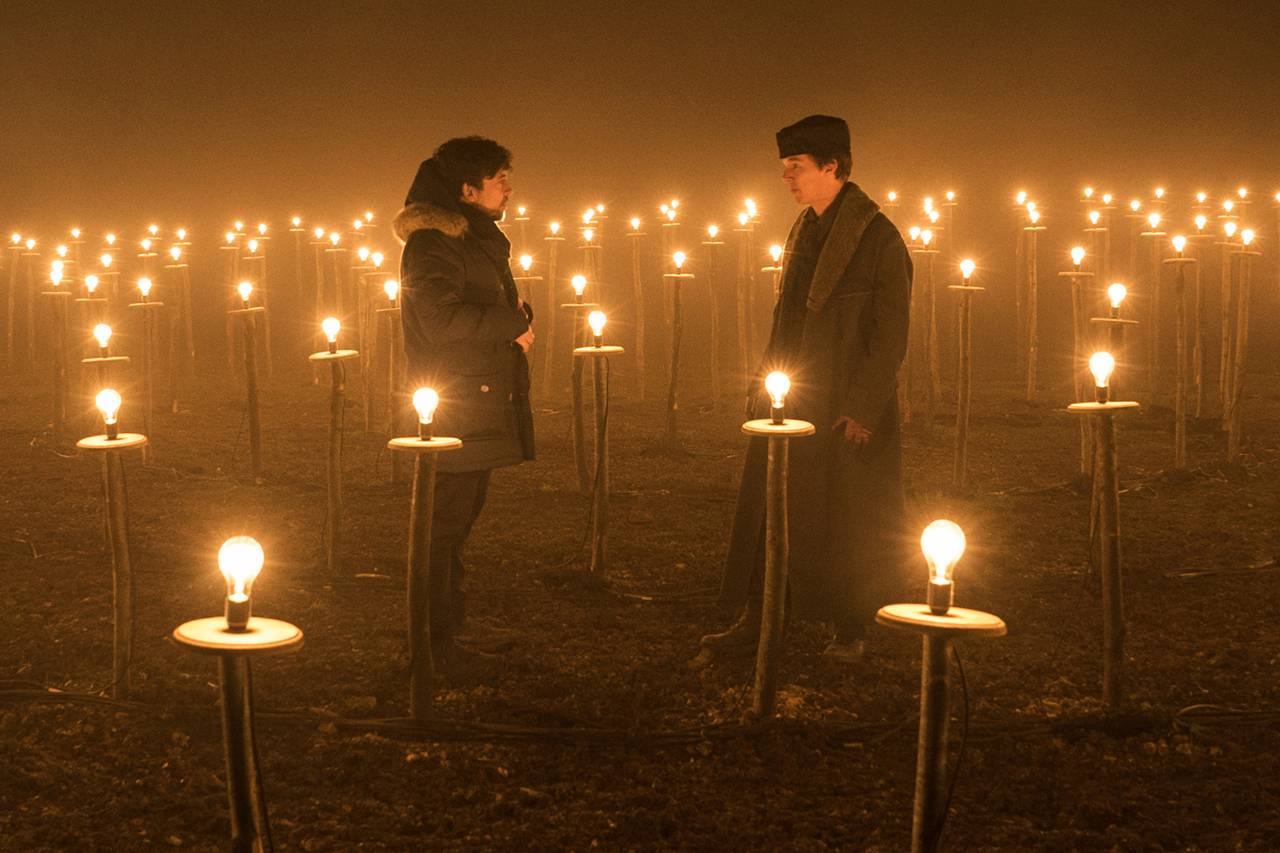
The Current War
2017
Director: Alfonso Gomez-Rejon
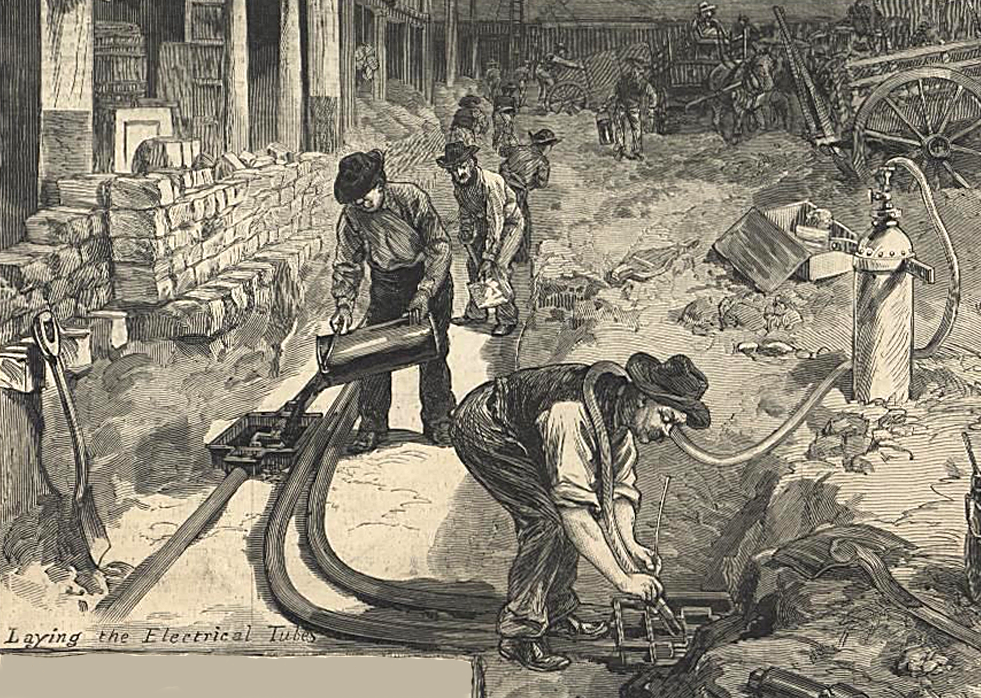
Workmen burying Edison DC power lines under the streets in New York City in 1882. This costly practice played to Edison's favor in public perceptions after several deaths were caused by overhead high-voltage AC lines.
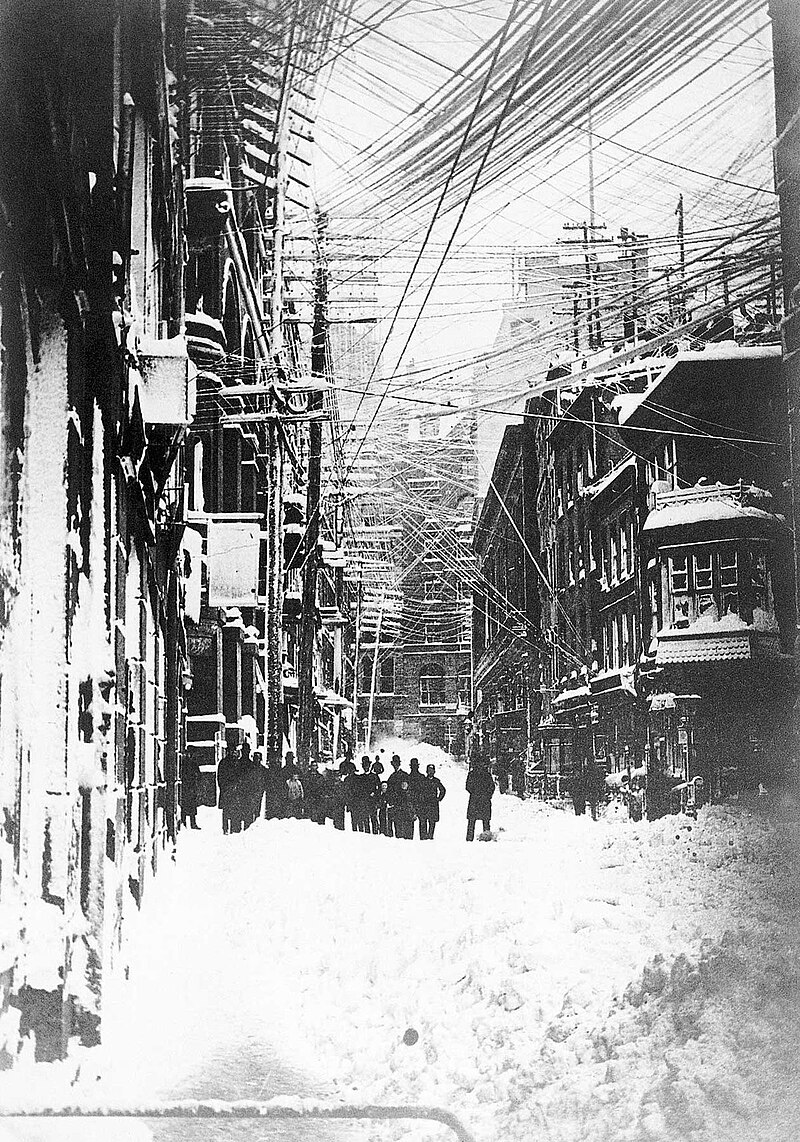
The myriad of telephone, telegraph, and power lines over the streets of New York City in a photo of the Great Blizzard of 1888. An AC line that fell during the storm led to the electrocution of a boy that spring.
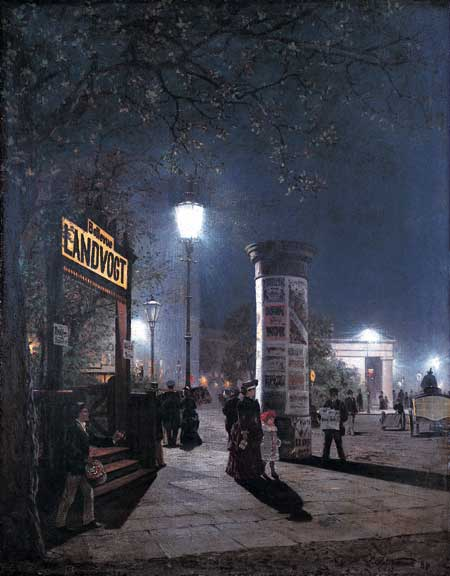
Berlin, 1884. With double the brilliance of gaslight, arc lamps were in high demand for stores and public areas. Arc lighting circuits used up to thousands of volts with arc lamps connected in series.
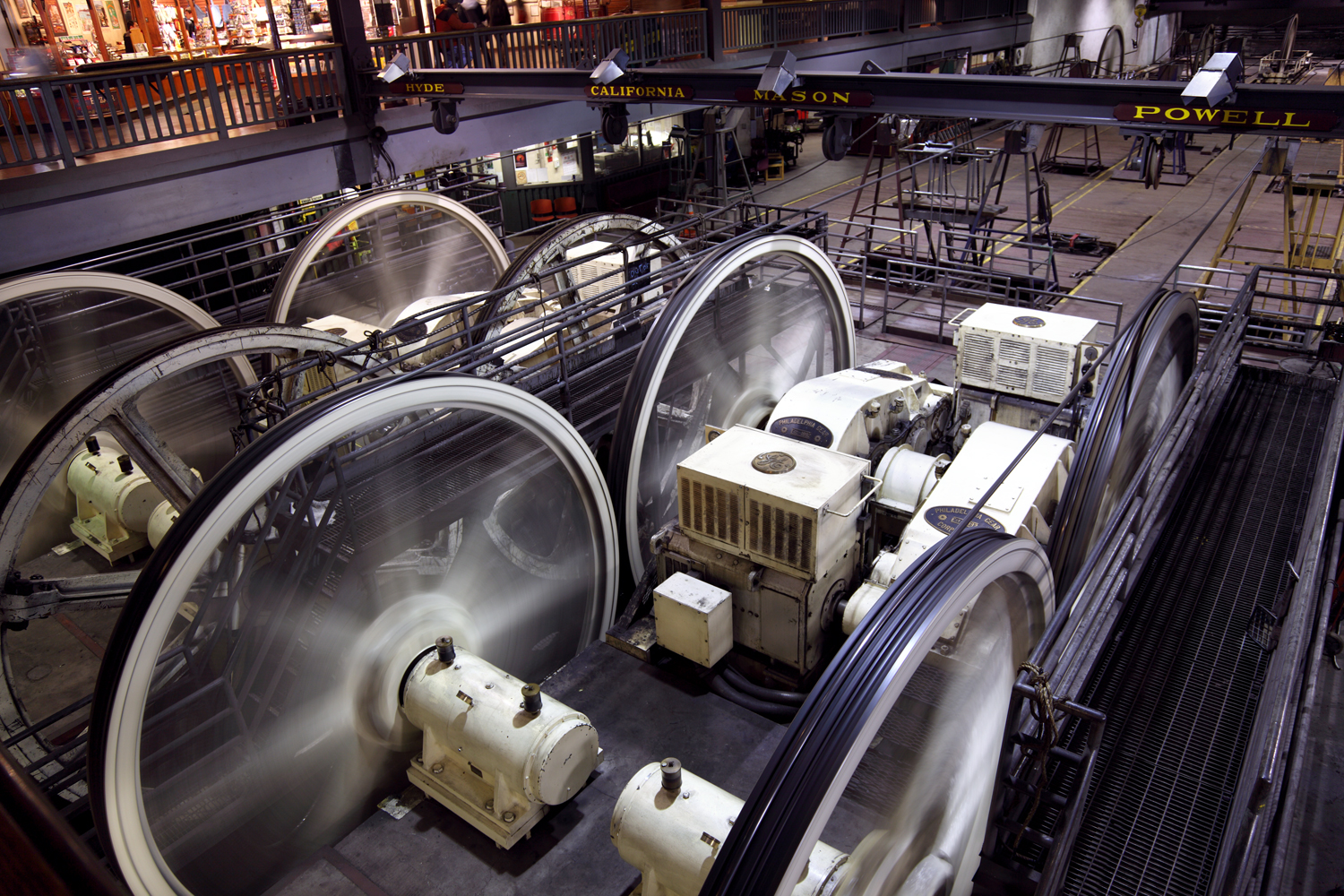
Machinery driving the San Francisco cable car system
1800s
Prior to electricity, there had already existed multiple forms of power transmission, though they remained largely inefficient and expensive. These transmission lines operated perhaps within more of the physical realm of movement and power, utilizing telodynamics, pneumatics, and hydraulics. Electricity emerged as a much more cost-effective alternative, though the new system still encountered technical difficulties. There existed a particular struggle between AC and DC methods of transmitting electricity. Proponents of DC argued for safety, while others argued for convenience. Although there are doubts and fears from the general public, AC ultimately defeated DC due to its ability to travel long distances. Early electricity primarily supported street lights, electric motors in factories, power for streetcars, and lights in homes. Transmission lines were primarily made of copper and rion. Generators first commonly emerged as dynamos, but then transitioned to alternators using hydroelectric and coal.
Potential Readings:
The Dark Side of the Light Bulb
Fearing electricity: overhead wire panic in New York City
The Rise of the Electrical Industry During the Nineteenth Century
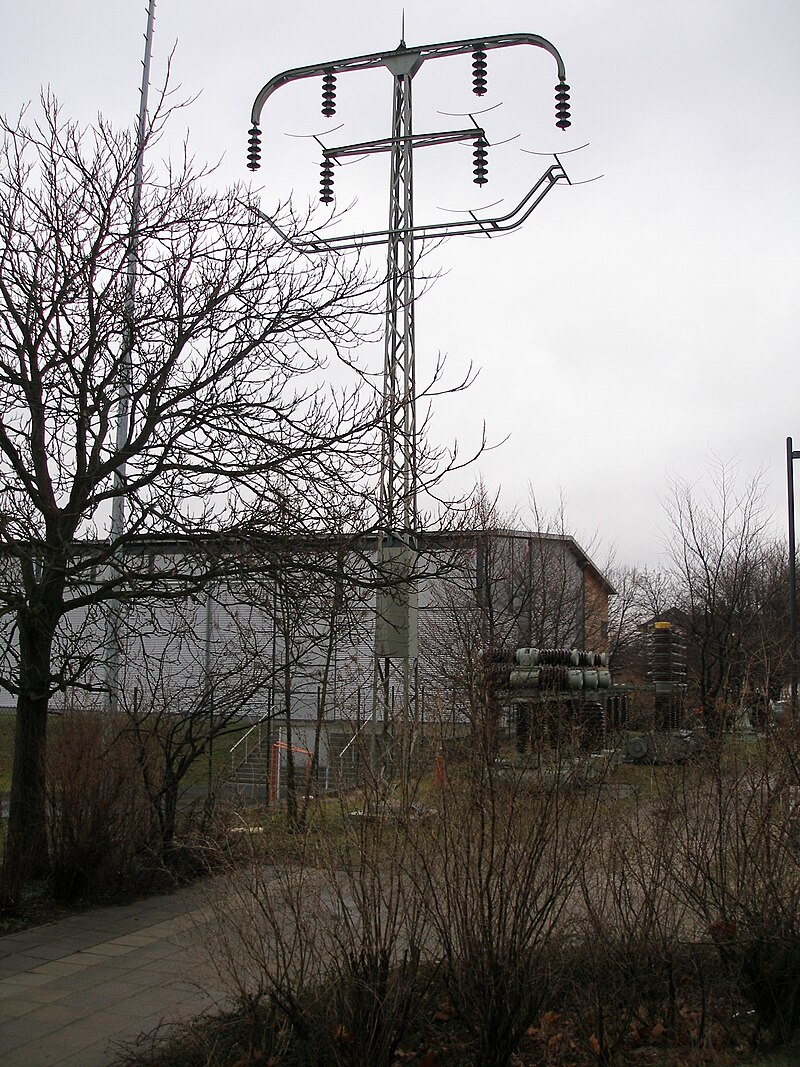
The first 110 kV transmission line in Europe was built around 1912 between Lauchhammer and Riesa, German Empire. Original pole.
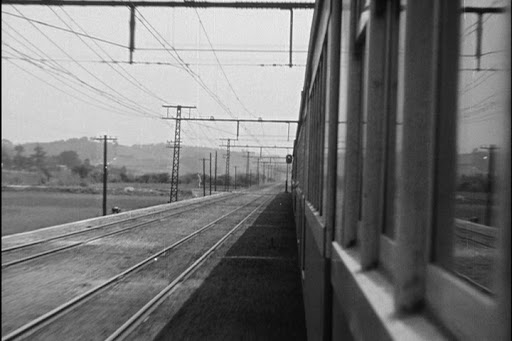
Early Summer
1900s
Power for progress: The impact of electricity on individual labor market outcomes
Power generation development
Power Transmission Development
Shift in Scale
2000s
Power generation development
Power Transmission Development
Shift in Scale
The Effects of Rural Electrification on Employment: New Evidence from South Africa
Future?
Fusion Research?
Sources of Clean Energy?