Boxtown History Diagram
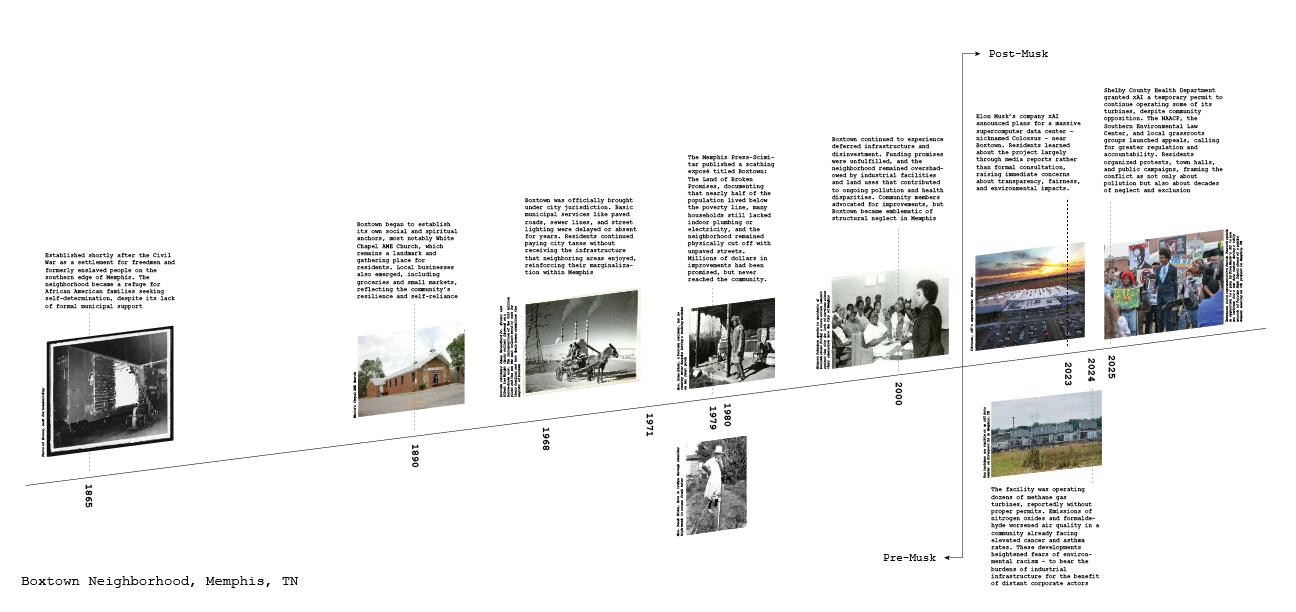
Boxtown Neighborhood, Memphis, TN: From Founding to Elon Musk xAI
Pre-Musk
1865 - Founding of Boxtown
Established shortly after the Civil War as a settlement for freedmen and formerly enslaved people on the southern edge of Memphis. The neighborhood became a refuge for African American families seeking self-determination, despite its lack of formal municipal support.
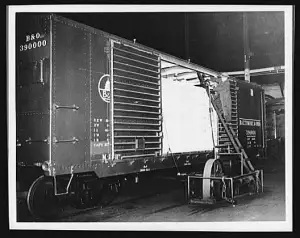
Boxcar, used for homebuilding
1890 - Community Institutions
Boxtown began to establish its own social and spiritual anchors, most notably White Chapel AME Church, which remains a landmark and gathering place for residents. Local businesses also emerged, including groceries and small markets, reflecting the community’s resilience and self-reliance
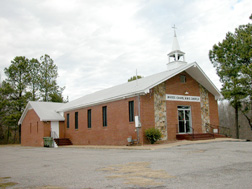
White's Chapel AME Church
1968 - 1971 - Annexation to Memphis
Boxtown was officially brought under city jurisdiction. Basic municipal services like paved roads, sewer lines, and street lighting were delayed or absent for years. Residents continued paying city taxes without receiving the infrastructure that neighboring areas enjoyed, reinforcing their marginalization within Memphis
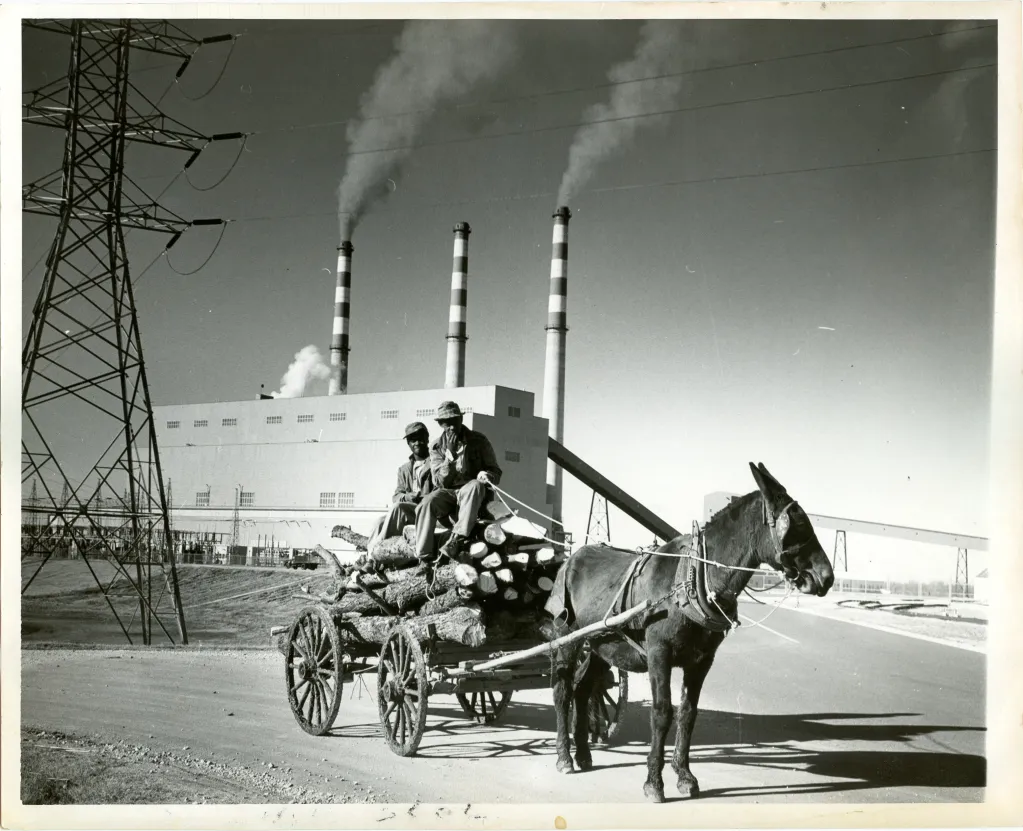
Boxtown residents James Threadford Jr. (front) and Albert Lee Wright (back) collect firewood on a horse-drawn cart. The juxtaposition of the $123 million plant and the men who must collect wood to cook for their families and heat their homes symbolizes the neglect of Boxtown.
1979 - "The Land of Broken Promises"
The Memphis Press-Scimitar published a scathing exposé titled Boxtown: The Land of Broken Promises, documenting that nearly half of the population lived below the poverty line, many households still lacked indoor plumbing or electricity, and the neighborhood remained physically cut off with unpaved streets. Millions of dollars in improvements had been promised, but never reached the community.
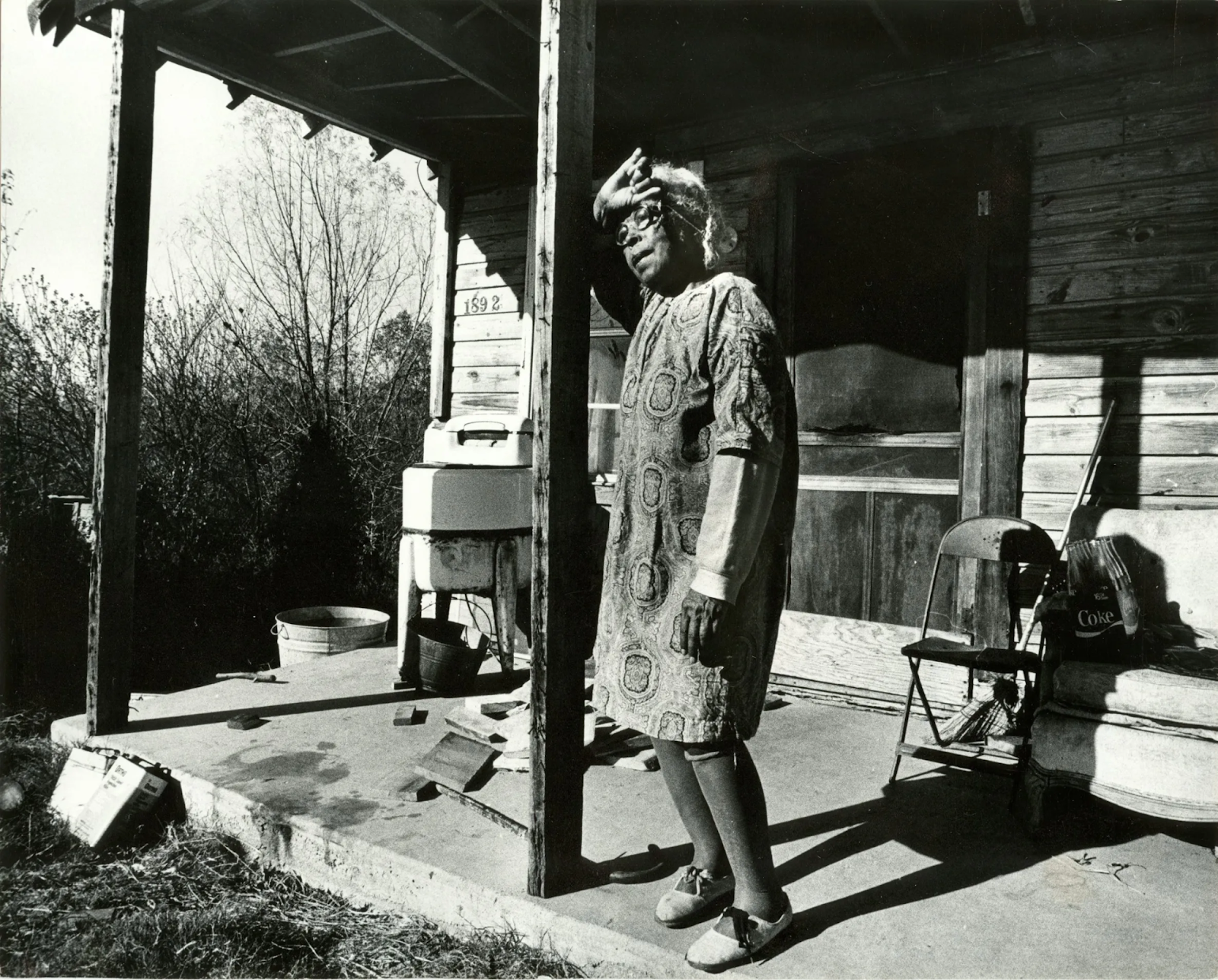
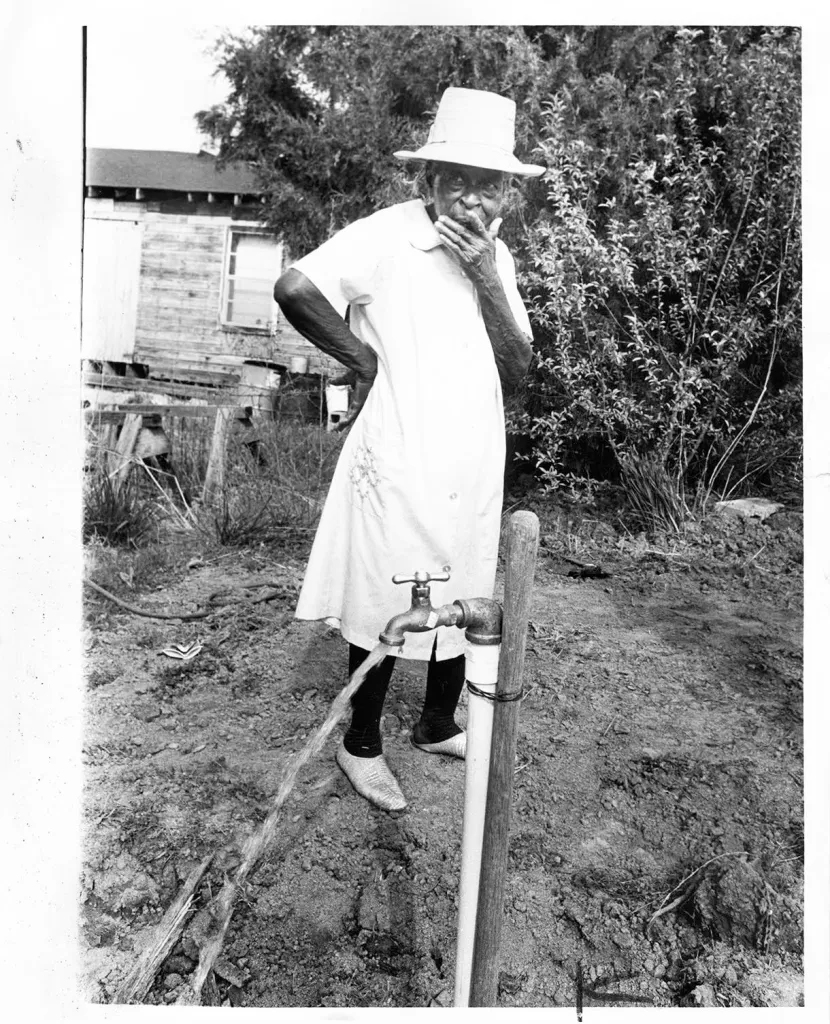
November 5, 1979. Mrs. Alma Adams (left), a Boxtown resident, has no running water despite having a washing machine on her front porch. Mrs. Pearl Nixon (right) has to trudge through shoulder-high weeds to access fresh water.
1980s-2000s - Deferred Improvements and Disinvestment
Boxtown continued to experience deferred infrastructure and disinvestment. Funding promises were unfulfilled, and the neighborhood remained overshadowed by industrial facilities and land uses that contributed to ongoing pollution and health disparities. Community members advocated for improvements, but Boxtown became emblematic of structural neglect in Memphis
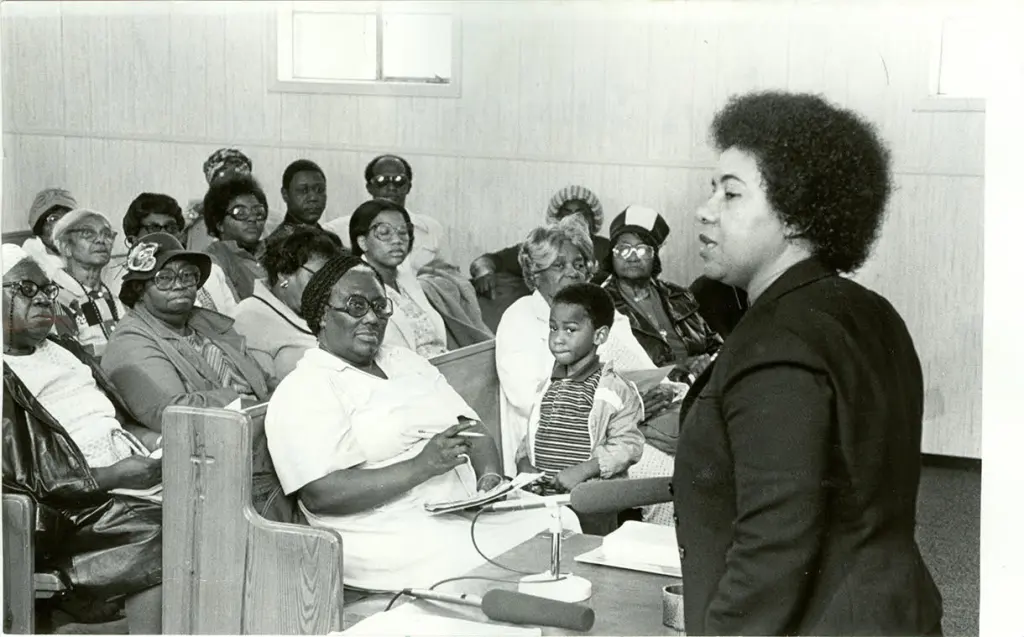
April, 1980. Minerva Johnican speaks to residents of Boxtown about filing a class action lawsuit against the city for lack of services since their annexation into the City of Memphis.
Post-Musk
2023 - Arrival of xAI
Elon Musk’s company xAI announced plans for a massive supercomputer data center – nicknamed Colossus – near Boxtown. Residents learned about the project largely through media reports rather than formal consultation, raising immediate concerns about transparency, fairness, and environmental impacts.
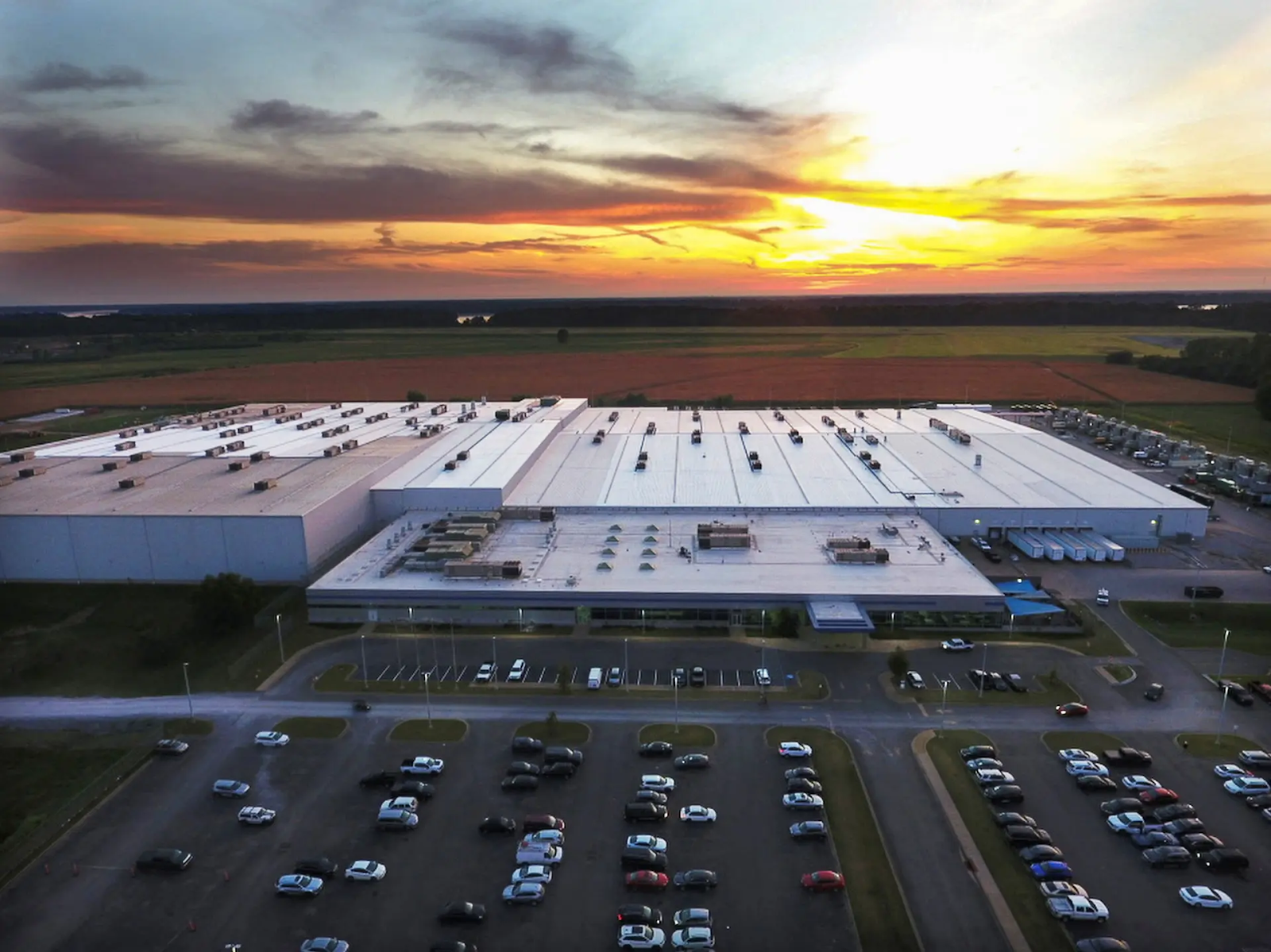
Colossus, xAI’s supercomputer data center
2024 - Air and Water Concerns
The facility was operating dozens of methane gas turbines, reportedly without proper permits. Emissions of nitrogen oxides and formaldehyde worsened air quality in a community already facing elevated cancer and asthma rates. These developments heightened fears of environmental racism – a predominantly Black, historically neglected neighborhood was being asked to bear the burdens of industrial infrastructure for the benefit of distant corporate actors. Manufacturer-supplied emissions data for these turbines show that xAI emits between 1,200 and 2,000 tons of smog-forming nitrogen oxides (NOx) per year (Equivalent NOₓ of ~150k–250k passenger cars per year) and draws up to 1 million gallons of water per day from the Memphis Sand Aquifer, the region's primary drinking water source, an older, naturally filtered groundwater reserve.

Gas turbines are visible at an xAI data center on Riverport Rd in Memphis, TN
2025 - Permits, Protests, and Legal Battles
Shelby County Health Department granted xAI a temporary permit to continue operating some of its turbines, despite community opposition. The NAACP, the Southern Environmental Law Center, and local grassroots groups launched appeals, calling for greater regulation and accountability. Residents organized protests, town halls, and public campaigns, framing the conflict as not only about pollution but also about decades of neglect and exclusion
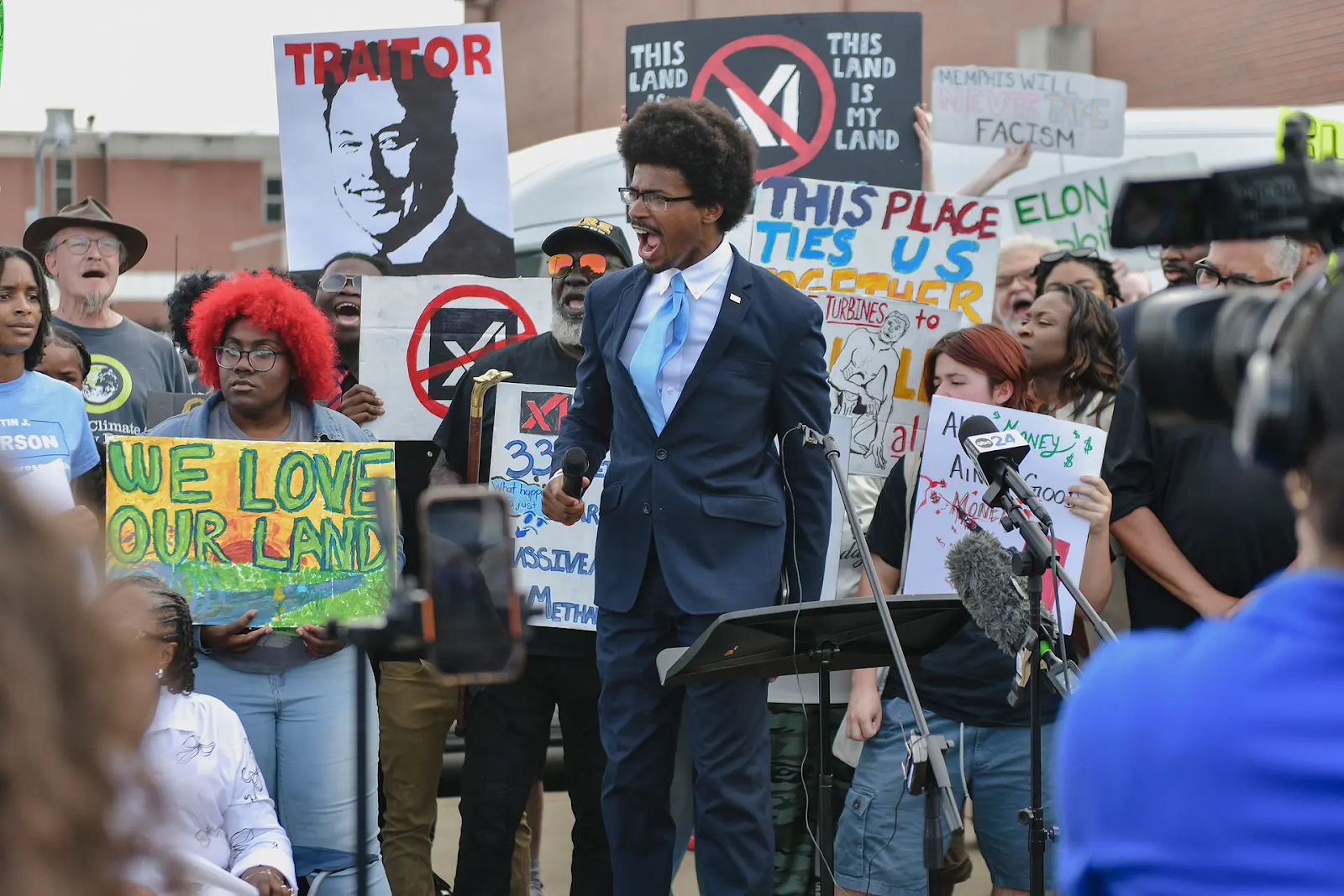
Tennessee state representative Justin Pearson speaks in opposition to a plan by Elon Musks's xAI to use gas turbines for a new data center during a rally outside of Fairley High School ahead of a public comment meeting on the project in Memphis, TN
No comments to display
No comments to display