Adaptive Reuse & Hyperscale
Data centers come in many distinct types, from deep underground bunkers to shimmering glass towers to sprawling greenfield campuses. The Westland Bunker in Montgomery, Texas, Equinix Infomart in Dallas, and Meta’s planned hyperscale campus in northern Louisiana each represent distinct architectural approaches to housing and cooling modern tech infrastructure, and they illustrate the trade-offs between adaptive reuse and purpose-built design.
Westland Bunker, Montgomery, Tx |
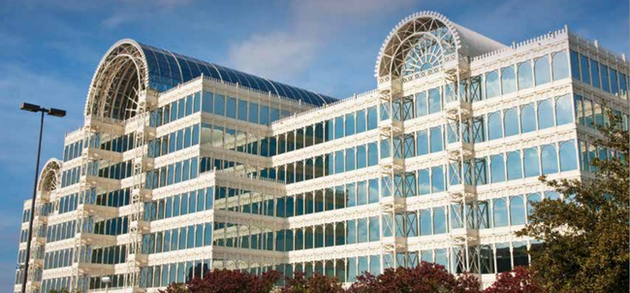
Equinix Infomart, Dallas, Tx |
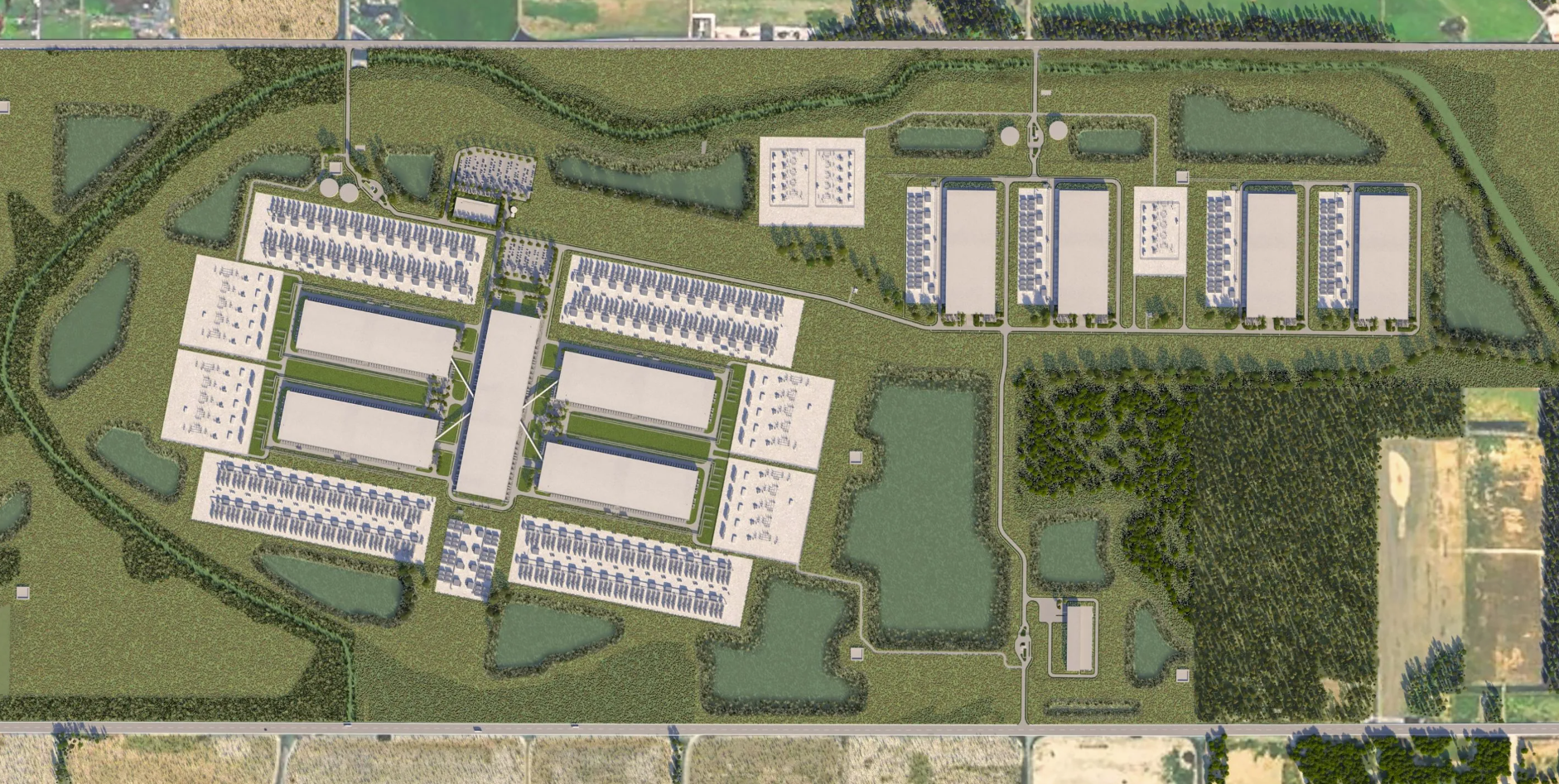
Meta Hyperion Campus, Richland Parish, Louisiana |
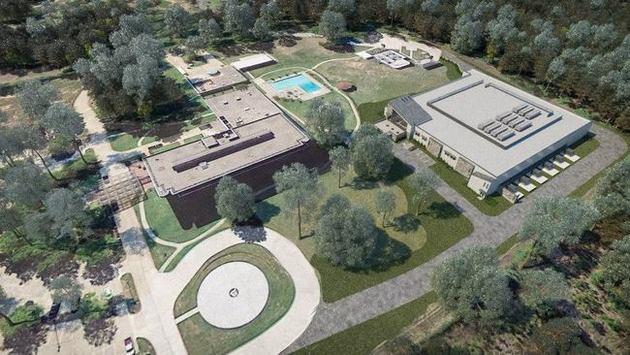
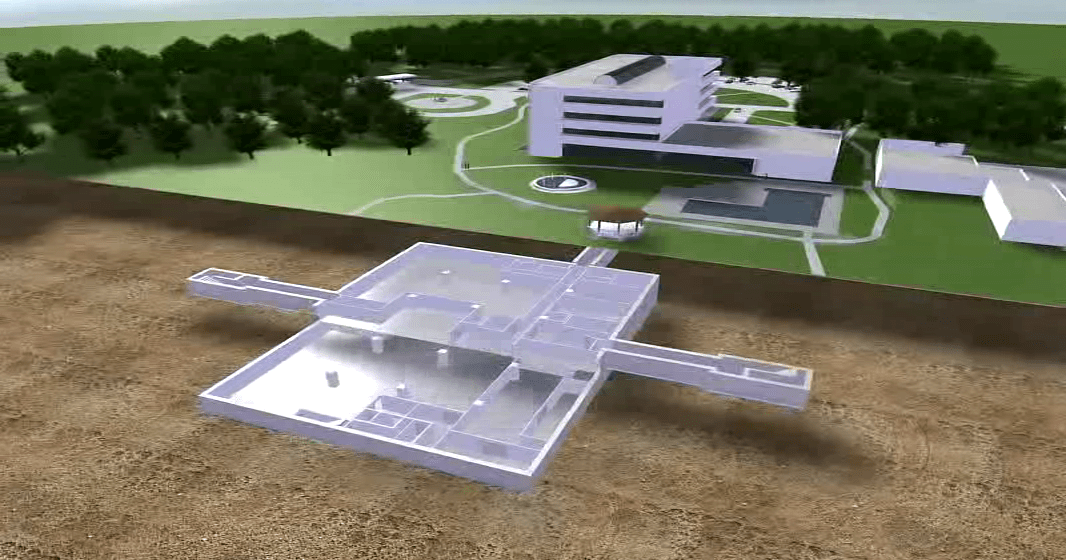
The Westland Bunker is a striking example of adaptive reuse. It was constructed in the 1980s as a nuclear bomb shelter and has been transformed into a fortified data center with approximately 38,000 square feet of underground server space. Its subterranean nature offers natural thermal buffering, while earth insulation reduces temperature fluctuation and protects against weather extremes. The Westland Bunker raises the question of effectiveness in extreme situations such as floods, which are common in Texas. The facility can manage heat loads with relatively high energy efficiency. However, its nature introduces limitations in safety and also scalability and layout flexibility.
Similarly, the Equinix Infomart in Dallas reflects another form of adaptive reuse. Built in 1985 as a trade center, the 1.6 million square foot structure now hosts multiple data center tenants. Unlike the bunker, the Infomart is above ground and features a glass facade, which is thermally challenging. Glass increases solar heat gain, demanding more robust cooling systems which in turn is expensive and harms the environment. Equinix has addressed this through modular data hall construction and chilled water systems, but energy consumption for cooling remains a concern in a building not originally designed for this purpose.
In contrast to the previous examples, Meta’s upcoming billion-dollar hyperscale data center in northern Louisiana is a brand new campus covering 4 million square feet, purposefully built for data. This development allows full optimization of layout, airflow, cooling, and energy infrastructure from the ground up. Designed to support AI workloads, the site will likely include advanced cooling technologies, while also aiming for LEED Gold certification and full renewable energy matching. This kind of scale and control offers maximum efficiency and long-term flexibility.
No comments to display
No comments to display