Eras of Innovation & Historical Context
Dates | Era | Inventions | Historical Context | Image |
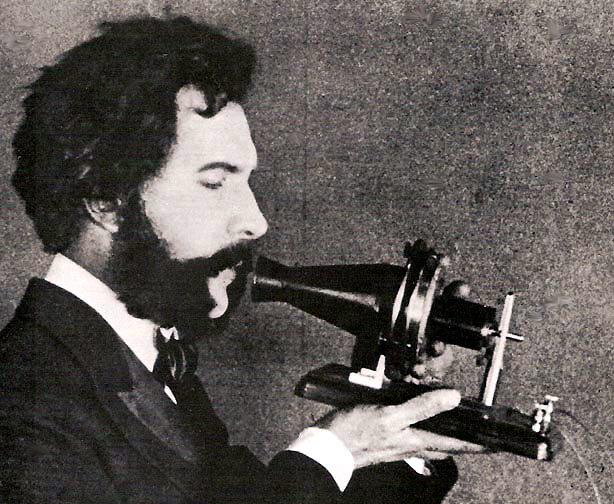
1880's - 1910 | Telegraphs & Telephones | The world's first commercial telephone exchange on January 28, 1878. The operator would use a cord to physically connect the caller's line to the desired party's line on the switchboard. The switchboard was built by George W. Coy and made from scrap parts, including carriage bolts and teapot lid handles | With Westward Expansion came the need for long-distance communication. The Industrial Revolution further pushed telecom development. |
|
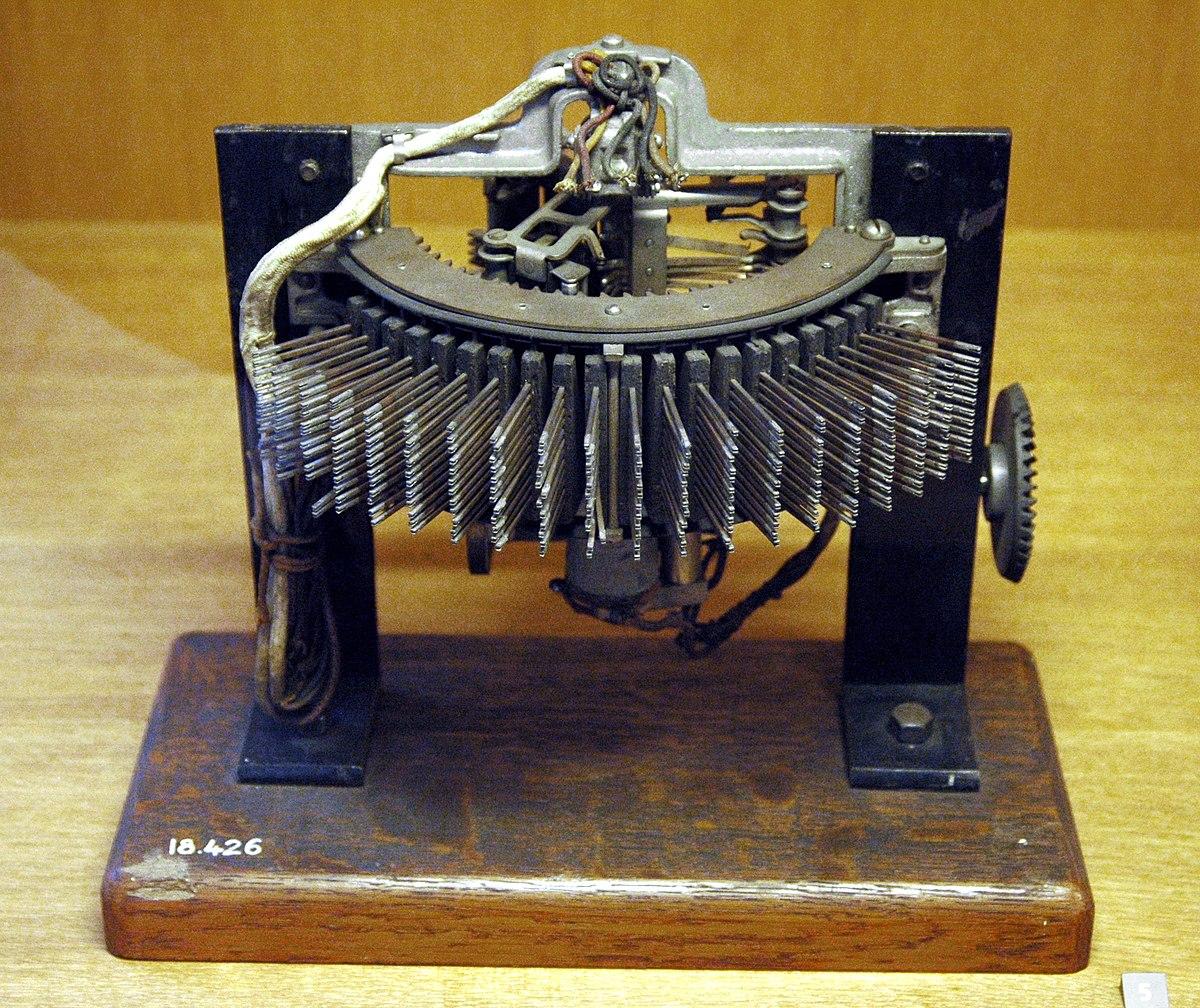
1910's - 1940 | Mechanical Switching | During this era, the operator was eliminated by the Strowger switch. This technology converted the pulses from a rotary dial into mechanical steps (up and across) of a wiper arm, which physically connects wires in a grid of terminals, completing the circuit between the caller and the recipient. | Invented as a response to the unreliability of manual switchboards |
|
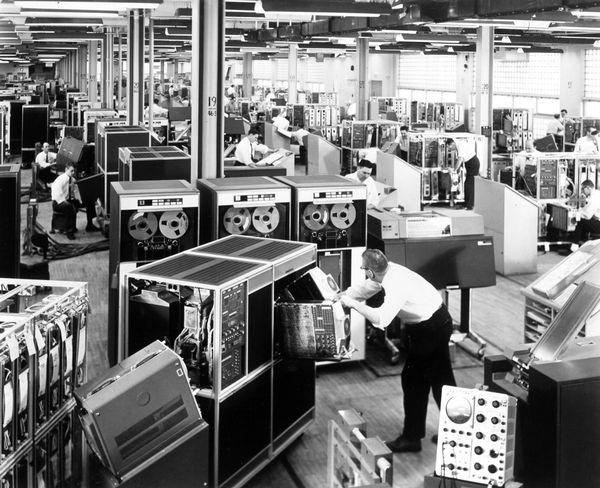
1940's - 1970 | Mainframe Computers | Mainframe computers were integrated into switching centers to help process calls. The first of the electronic switching systems (ESS) replaced mechanical relays with digital information controlled by computers. Telecom hubs began to gain computing power and act as larger connection points for greater communication. Traffic was generally still analog. | Key component in establishing technical dominancy among international power struggles throughout WWII. |
|
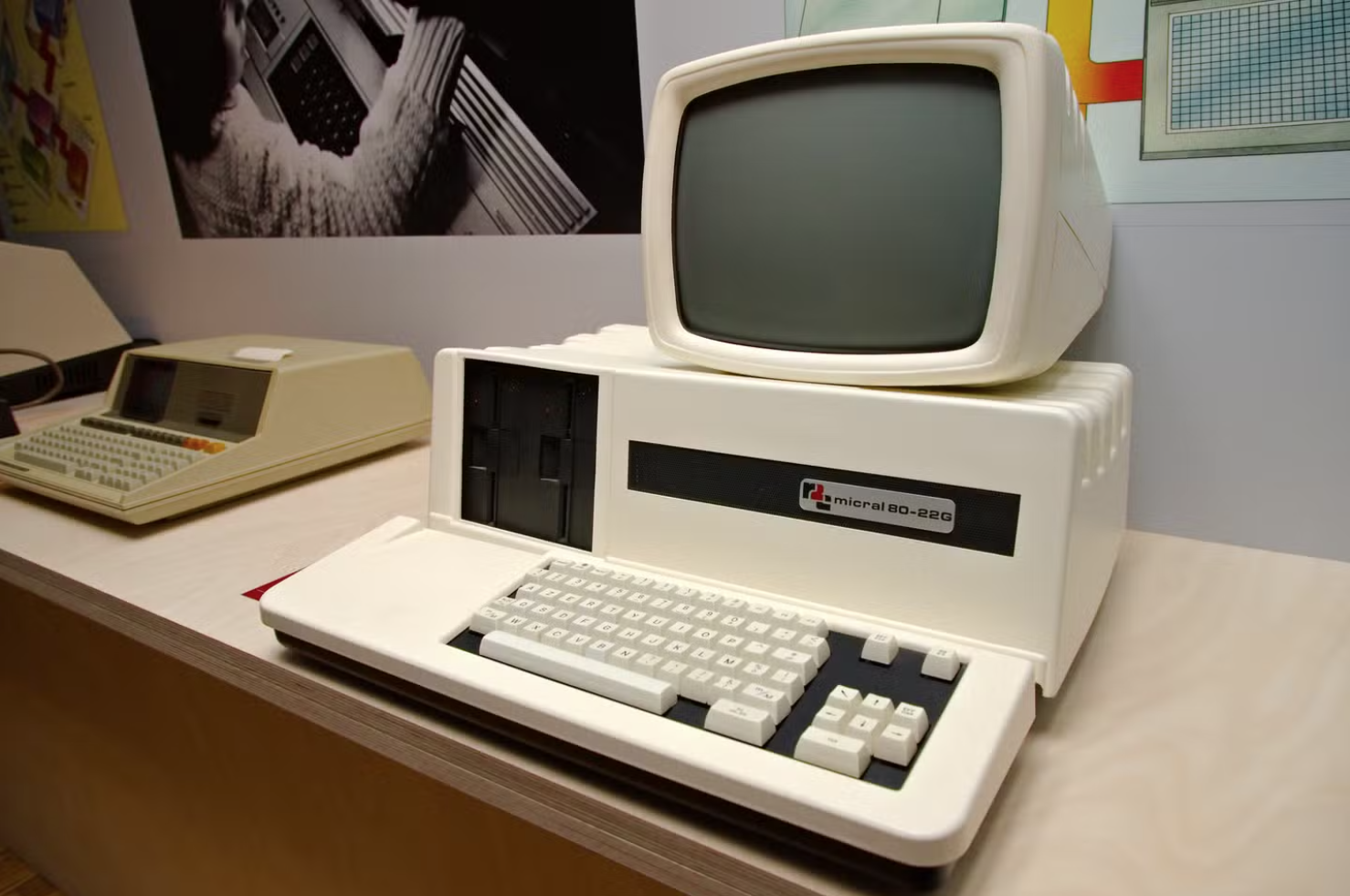
1970's - 1990 | Microcomputers | Previous telecommunication hubs expanded to serve multiple clients rather than just one company. This system, often referred to as colocation, arose due to the fact that hardware sizes shrunk drastically in this era. With operations in each building densifying, central meeting points for internet traffic developed in facilities that still stand to this day. | Fueled the arm race during the later stages of the Cold War and proliferated further due to the digital revolution |
|
1990's - 2010 | Hyperscale Data Centers | With the expansion of the internet in the late 90’s, businesses began to require more infrastructure to reliably house their virtual systems. These buildings became closer to what we know as data centers today with features like backup power sources, climate control, etc. These facilities became optimized for data storage, processing, and delivery. This era also begins environmental concerns on excessive energy use. | Response to a newly globalized market place with the need for an omnipresent online presence | |
2022 - | Artificial Intelligence | Today, internet processes have shifted greatly to rely more on artificial intelligence as a means of easily generating and sharing information. AI now demands powerful GPUs, pushing facilities to rely more on Liquid Cooling. | Optimism about the possibilities of artificial intelligence as well as its inherent security benefits post 9/11 swayed the US to adopt wide scale AI programs |
No comments to display
No comments to display