Data Centers in Coastal Areas
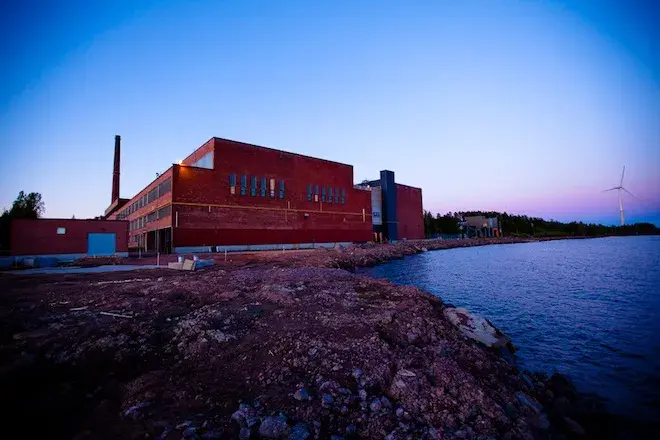
Image: A Google data center in Finland that utilizes seawater cooling
Coastal areas may appear to have an abundance of water, but this does not mean they are unaffected by the massive water demands of data centers. Some coastal data centers use seawater for cooling, which reduces consumption of freshwater and competition with local communities for potable water. However, seawater cooling still imposes negative environmental consequences, like the degradation of coastal ecosystems due to development in close proximity to the coast and disruption of marine life due to thermal pollution from discharged warm water.
Further, since seawater cooling systems are generally much more expensive and more difficult to implement, most data centers require potable water for cooling, meaning they instead compete with residents for freshwater from sources like surface water and underground aquifers, contributing to water scarcity. In the long term, over-pumping from groundwater sources can cause issues like subsidence and seawater intrusion in some coastal areas, including the Gulf Coast.
Even in areas with extensive freshwater resources, water is never as abundant as it seems. For example, in the Great Lakes region, the rapidly growing quantity of data centers that source their water from the lakes poses a threat to the more than 40 million people whose drinking water comes from the same source. The Great Lakes hold about 20% of the planet's surface freshwater, and seem almost inextinguishable, but with a replenishing rate of only about 1% of their total volume per year, the lakes are at risk of depletion over time by the billions of gallons of water annually demanded by data centers.
No comments to display
No comments to display